

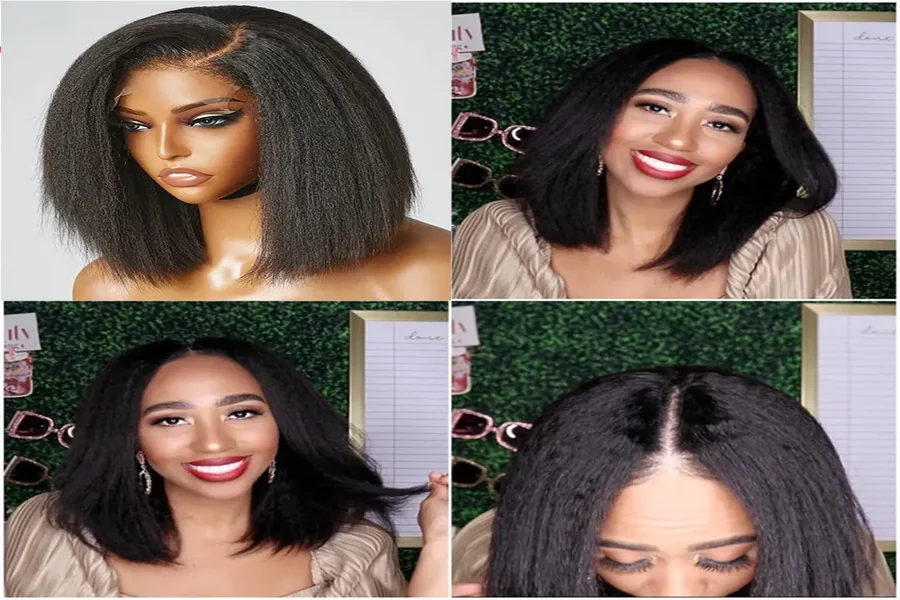
If you’re choosing your first bob wig—or trying to upgrade to something that looks less “wiggy”—the texture decision matters more than most people expect. A bob cut is short, structured, and close to the face, so any unnatural shine, stiffness, or bulky volume shows immediately. That’s why the debate between a yaki bob wig and a straight bob wig comes up so often: both can look polished, but they read very differently in real life.
The truth is that either option can look realistic, but the most natural choice depends on your goal, your styling habits, and what “real” looks like for your hair type and everyday vibe.
What a Yaki Bob Wig Really Looks Like
“Yaki” refers to a straight texture with a subtle, slightly coarser finish—similar to hair that has been blow-dried and lightly pressed. It’s not frizzy, but it isn’t ultra-sleek either. The strands typically have a touch more body and grip, which helps the style look like actual hair rather than a perfectly smooth sheet.
Because yaki texture mimics the look of relaxed hair or heat-styled natural hair, it often blends more convincingly with textured edges and everyday hairlines. In normal lighting, yaki tends to look softer and less reflective, which is one of the biggest cues people subconsciously use to judge realism.
When yaki looks most real: casual daytime settings, office lighting, and situations where you want “this could be my hair” more than “this is a fresh silk press.”
What a Straight Bob Wig Looks Like
A straight bob wig (often described as silky straight) is smooth, sleek, and uniform. When it’s done well, it can look like a freshly flat-ironed bob with a clean swing and sharp ends. The challenge is that “silky straight” textures can become too shiny or too perfect, especially at the crown and along the part, which may read as wig-like if not customized.
That said, a straight bob can look extremely realistic when the hair is high quality, the density is right, and the styling is controlled—particularly if you want a crisp, editorial finish.
When straight looks most real: evening wear, photos, and moments when a glossy, polished look matches the outfit and setting.
So Which Looks More Real, Yaki or Straight?
For most beginners and for everyday wear, yaki usually wins the realism contest. The slightly textured finish reduces shine and creates a “lived-in” movement that resembles natural hair after a blowout. Straight bobs can look real too, but they often require more attention to shine control, hairline blending, and heat styling so the wig doesn’t look stiff or overly uniform.
A helpful way to think about it is this:
- If your ideal “real hair” reference is a blowout or relaxed look, yaki will typically match better.
- If your ideal “real hair” reference is a fresh silk press, straight may match better—but only if you control shine and keep it from looking plastic.
Hair Quality Matters More Than Texture: Human Hair vs Synthetic
Texture is important, but fiber quality can make or break realism. In general, human hair bob wigs look more natural than synthetic options because they move, reflect light, and separate like real hair. They also allow you to restyle: you can add soft bends, fix crown puffiness, and adjust the finish so it matches your vibe.
Synthetic straight bobs can look very sleek, but they’re more likely to have uniform shine and a slightly “one-piece” movement. Synthetic yaki textures can look good too, but higher-end human hair tends to deliver the most believable result, especially around the face.
If realism is your priority and you plan to wear the bob often, human hair is usually the better long-term investment.
The Biggest Realism Factors (Beyond Yaki vs Straight)
Even the perfect texture won’t look real if these details are off:
Shine level
Excess shine is a common giveaway. Straight textures reflect more light, so they often need extra shine control (light dry shampoo, minimal oils). Yaki naturally hides shine better.
Density and bulk
A bob should look balanced. Too much density can make the shape look boxy. Yaki can look fuller by nature, so medium density is often ideal. Straight can look flat if density is too low, or heavy if too high.
Crown and part
A realistic part and smooth crown matter more in a bob because people look at the top first. Lace, scalp tinting, and gentle root smoothing help both textures.
Ends and movement
Natural bobs usually have either a soft under-curve or a gentle bend. Straight bobs that are too blunt and stiff can look unnatural; yaki bobs that are too puffy at the ends can also look off. Subtle shaping is key.
Where a Bob Wig With Bangs Fits In
If you want the easiest path to realism, consider a bob wig with bangs—either in yaki or straight texture. Bangs instantly reduce the need to perfect the hairline and lace melt, and they make the style look “intentional” right out of the box.
Bangs can also soften a too-sleek straight texture (by breaking up the uniformity at the front), and they can help a yaki bob look less bulky if the fringe is properly shaped. For beginners who don’t want to spend time customizing a lace hairline, a bob with bangs is often the most foolproof choice.
Which One Should You Choose?
Pick a yaki bob wig if you want the most everyday realism, minimal shine, and a texture that resembles a natural blowout. Choose a straight bob wig if you love a sleek silk-press look and don’t mind doing a bit more work to manage shine and keep the crown and ends looking natural.
If you want the most realistic option overall, especially for frequent wear, go for human hair bob wigs in your preferred texture. And if you want the easiest, most beginner-friendly realism, a bob wig with bangs is hard to beat.
If you tell me your usual hair texture (natural/relaxed/silk press) and whether you prefer a middle part, side part, or bangs, I can recommend the most realistic pick for you and what density/length to choose.
