

Designing engaging and effective lesson plans for kindergarten is vital for nurturing curiosity, social skills, and a lifelong love of learning. Planning unique activities helps create a classroom where every child can thrive. Exploring resources like https://studentreasures.com/teachers-lounge/lesson-plans/kindergarten/ can provide fresh inspiration for integrating creativity and structure into your daily routine.
Captivating kindergarteners requires balancing structure with play, hands-on learning, and a variety of activities. By weaving together themes, sensory experiences, and collaborative projects, educators can foster an environment that not only supports academic growth but also the social and emotional development of young learners.
To help teachers and caregivers plan memorable and impactful lessons, this guide outlines proven strategies and approachable ideas to increase classroom engagement and support foundational skill-building.
Infusing your kindergarten classroom with innovative lesson strategies can provide children with the tools they need to explore, imagine, and succeed, while preventing learning fatigue and keeping the energy high. By adapting and combining methods to fit your unique group of learners, you can create an exciting and supportive educational journey.
1. Sensory Play Stations
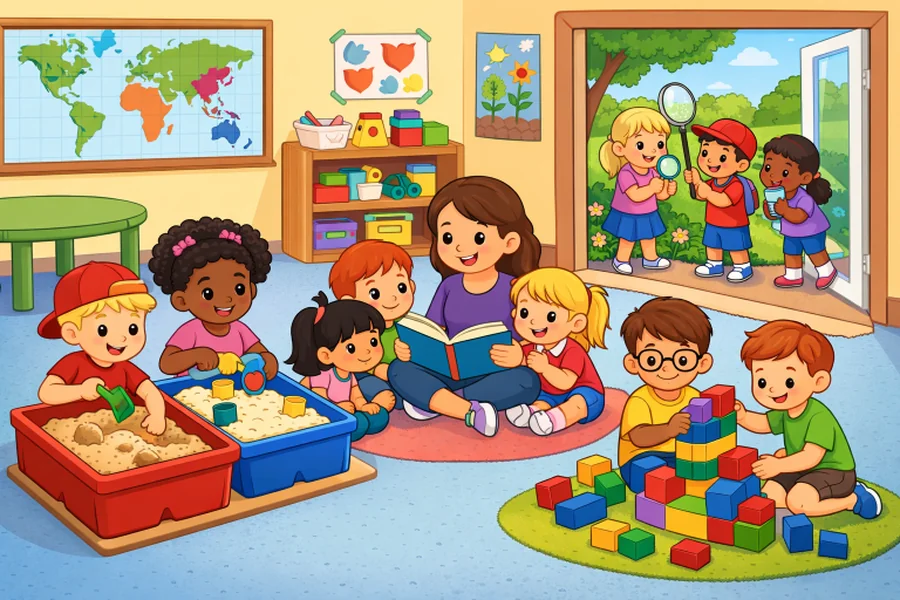
Sensory play stations engage children through hands-on discovery using materials like sand, water, rice, or textured items. These experiences support cognitive development by activating touch, sight, and sound, offering meaningful ways for students to explore early math, science, and language concepts. For example, a simple bin filled with beans can invite children to scoop, pour, and sort, strengthening fine motor skills and early counting abilities. Sensory play also helps regulate emotions for young learners, making it a valuable daily activity in early childhood classrooms.
2. Thematic Weekly Plans
Structuring lessons around weekly themes creates a coherent learning journey for children. Whether focusing on a season, a favorite story, or an animal, teachers can weave in books, music, math challenges, and art projects related to the chosen theme. Thematic plans not only provide variety and anticipation but also strengthen connections between academic subjects, leading to deeper understanding and retention. Themes like “Weather Wonders” or “Community Helpers” allow children to see the real-world relevance of classroom activities, enhancing engagement and curiosity.
3. Integrating STEAM Activities
STEAM (Science, Technology, Engineering, Arts, and Mathematics) lessons inspire young learners to experiment, create, and explore with hands-on, inquiry-based projects. Activities can be as simple as building towers with blocks, mixing colors during art, or growing plants in a classroom garden. Introducing basic coding through interactive toys or story-based challenges encourages logical thinking and innovation. Even at the kindergarten level, STEAM integration builds confidence and introduces vocabulary and concepts that lay the foundation for future learning (Space Foundation).
4. Guided Reading Sessions
Guided reading provides personalized support for each child’s literacy development. By working in small groups or one-on-one, teachers can pinpoint specific skills, such as identifying letter sounds, recognizing sight words, or sequencing stories, to meet individual needs. Using engaging books and games helps students develop a positive association with reading. Incorporating activities like retelling stories with puppets or drawing story maps further enriches literacy lessons and reinforces comprehension.
5. Brain Breaks for Focus and Fun
Integrating brain breaks—short periods of movement or relaxation—helps recharge students’ attention and energy. These breaks might involve dance, stretching, breathing exercises, or quick outdoor sessions. Such transitions refresh the mind, reduce restlessness, and improve classroom behavior, making subsequent lessons more productive. Including a mix of active and calming brain breaks can accommodate a range of needs and provide opportunities for practicing self-regulation skills.
6. Incorporating Technology
Modern classrooms benefit from technology integration, whether through interactive whiteboards, learning tablets, or educational apps. These tools can present foundational concepts in math, reading, and science with interactive games and virtual simulations. Technology-driven activities are especially effective for visual and auditory learners and expand opportunities for differentiated instruction. When thoughtfully used, digital resources support traditional lessons and help prepare students for the world outside the classroom.
7. Outdoor Learning Adventures
Moving lessons outdoors brings new life to traditional subjects. Science lessons can unfold during nature walks, while math can take shape through playground games that practice counting or sorting. Outdoor storytelling lets children use their imaginations in a fresh context, while projects like planting a garden encourage responsibility and observation skills. Learning outside not only stretches the body but also boosts mood and engagement, providing a holistic educational experience.
8. Collaborative Projects
Teamwork and social development begin with collaborative classroom projects. Whether building a class mural, planting seeds for a shared garden, or participating in group science experiments, working together teaches vital communication and cooperation skills. These projects are also opportunities to celebrate diversity by incorporating children’s ideas, backgrounds, and strengths into shared goals and finished products. Group efforts foster community spirit and build the foundation for lifelong confidence in working with others.
By thoughtfully blending sensory experiences, structured themes, literacy enrichment, and technology, teachers can create memorable, effective lesson plans that celebrate each child’s unique strengths. Consistent creativity, flexibility, and collaboration are the keys to a thriving kindergarten classroom where children feel excited and ready to learn every day.
