

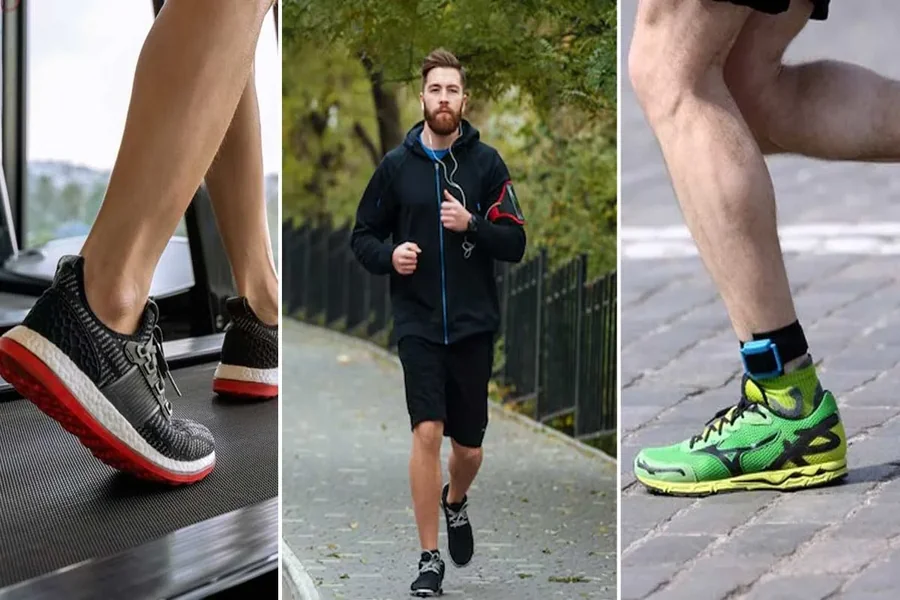
When it comes to running shoes, finding the perfect pair is everything. Whether someone is an experienced runner or just starting, the right shoes can significantly enhance performance. The importance of proper fit cannot be overstated. It can make or break a running experience.
Pairs like the Nike running shoes are known for their comfort, durability, and style. They offer innovative designs tailored to various foot shapes and running styles. Finding the right pair ensures that comfort and support are maximized, allowing for better runs and fewer injuries. This article dives into the essential aspects of choosing the right pair and avoiding common mistakes that can lead to discomfort or injury.
Correct Measurement Techniques for Accurate Sizing
The first step in choosing the perfect running shoe is measuring feet at the end of the day when they are at their largest. Use foot-measuring tools in stores to check both length and width, as sizing varies across brands. Always try shoes on before buying.
It’s important to note that feet can change over time. Older individuals may experience a slight increase in foot size from reduced ligament elasticity. Reassessing shoe size ensures a proper fit, reducing strain and preventing injuries, especially when buying running shoes.
Arch Support Requirements for Individual Foot Shapes
Arch support is crucial for comfort. High arches need cushioning for shock absorption, while low arches require stability shoes to prevent overpronation. Many models, including Nike Vomero, accommodate different arch types, making it important to choose shoes tailored to individual foot shapes. The “wet test” helps identify arch types, guiding the selection of the right shoe support.
High Arch Maintenance
For those with high arches, proper cushioning is essential. Shoes with adequate midsole padding absorb shock, reducing foot and joint pressure. Flexible midsoles provide a responsive, cushioned feel, preventing discomfort and foot fatigue, especially during long-distance runs. These shoes enhance comfort and support.
Low Arch Stability
For low arches, stability is key to maintaining balance. Shoes with a firm midsole and arch support keep the foot aligned, while a stable platform ensures even weight distribution and prevents inward rolling. Stability shoes guide the foot’s motion, reducing pain from overpronation and enabling smoother strides.
Heel Lock Mechanisms for Improved Ankle Stability
Proper heel placement is crucial for comfort and stability in running shoes. Heel lock features, like extra lacing and heel counters, secure the foot, preventing slippage and ankle roll, ensuring a snug, supportive fit.
Secure Heel Placement
A snug, secure fit around the heel reduces friction and prevents blisters. Shoes with a higher collar or rigid heel counter keep the heel in place, ensuring stability and comfort. A secure heel lock prevents foot slippage, reducing toe squashing and chafing for a more comfortable run.
Padding for Comfort
Cushioned padding around the heel adds comfort with each stride, absorbing impact and preventing heel discomfort during extended use. The heel area is sensitive to pressure, so extra cushioning is essential. Look for soft, breathable padding that maintains both fit and comfort without compromise.
Toe Box Space for Natural Foot Expansion
Running causes feet to expand, especially in warmer conditions. A shoe with a roomy toe box accommodates this expansion, preventing discomfort and painful blisters. Ample space allows toes to spread, reducing pressure and keeping feet comfortable during long runs or extended distances.
While comfort is a top priority, it’s essential to ensure the toe box isn’t too large. An overly spacious toe box can lead to instability, especially when making sharp turns or running at high speeds. The balance of comfort and support is key to choosing the right toe box width and length.
Midfoot Lockdown for Consistent Shoe Performance
The midfoot area needs to be locked down to ensure a secure fit. Shoes with adjustable straps or laces that secure the midfoot will prevent slippage and keep the foot stable. A well-fitted midfoot area improves performance and comfort, allowing for consistent strides without instability. An effective midfoot lockdown ensures that the foot stays in place and moves efficiently with every step.
The goal is to have the shoe securely fit the midfoot area without any tightness or discomfort. Shoes that feature a midfoot lockdown system, such as additional lacing or Velcro straps, ensure a tight, customized fit. This prevents the shoe from becoming loose and creating an uneven stride.
Material Breathability for Temperature Control
Breathable materials like mesh or knit fabrics are crucial for temperature control, especially on long runs. These materials promote airflow, regulating foot temperature and preventing sweat buildup. Shoes with good breathability keep feet dry and fresh, while moisture-wicking fabrics help prevent odor and enhance comfort throughout the run.
Having the right ventilation can also help maintain foot health by preventing conditions like athlete’s foot and blisters. Shoes with breathable uppers keep feet from becoming too hot or sweaty, offering a better overall experience for runners, particularly during warmer seasons or longer runs.
Weight Distribution for Efficient Forward Motion
Proper weight distribution is key to efficient movement. Shoes that evenly distribute weight from heel to toe reduce strain on the legs, ensuring a smoother, more effortless run. Optimized weight distribution helps the foot roll naturally, maintaining a fluid, energy-efficient stride.
When looking for shoes, consider models with midsoles that provide balanced cushioning and a stable platform. Shoes with poor weight distribution can cause discomfort and fatigue, making runs feel much harder than they need to be. Balanced weight distribution helps runners avoid soreness and improves performance over long distances.
Sole Flexibility for Smooth Surface Transitions
A flexible sole helps the shoe adapt to various surfaces, easing transitions between different terrains. Shoes designed with flexibility allow the sole to bend and move with the foot, ensuring each step feels natural and reducing impact. This feature enhances comfort and supports the foot’s natural motion.
The flexibility of a shoe’s sole is especially important for trail runners or those who frequently run on uneven surfaces. A flexible shoe allows for more grip and agility, making it easier to navigate rough or unpredictable terrain.
Where to Find Retro Running Sneakers
If a classic, timeless look is more the style, retro running sneakers have made a major comeback. These shoes blend the best of comfort and vintage style, often featuring older, beloved designs with updated materials. Several sneaker retailers now carry a wide range of running sneakers, which can often be found online or in stores that specialize in athletic footwear and streetwear culture. Many of these shoes are inspired by iconic models from the past, making them perfect for anyone looking to add some old-school vibes to their collection.
Finding the perfect pair of running shoes is about more than just style; it’s about comfort and performance. Nike running shoes, for instance, offer a variety of features that can elevate the running experience. If performance is the goal, performance running shoes are designed to enhance every stride, making each run more efficient and enjoyable.
