

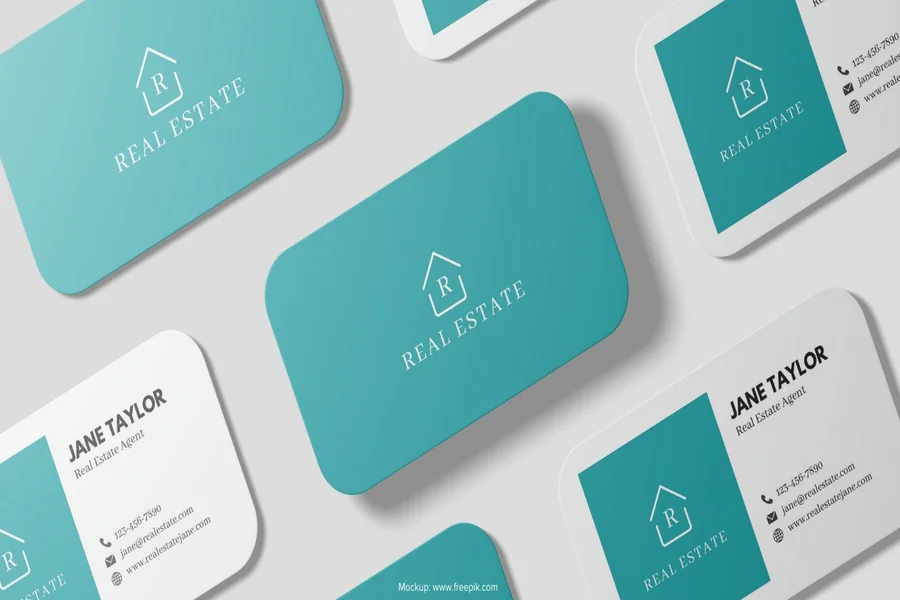
You have about seven seconds to make a first impression, and that includes the moment you hand someone your business card. In a market where nearly 90 percent of buyers begin their search online, a physical card still carries a surprising influence. It tangibly represents your professionalism. One small piece of paper can shape how seriously someone takes you.
This article explores what the best real estate business cards truly communicate beyond contact details. It explains how design, messaging, and subtle cues influence perception. When crafted thoughtfully, a well-designed real estate business card reflects credibility, clarity, and confidence. A modern card should speak clearly about who you are before you say another word.
Clarity Of Role And Expertise
A modern business card must state your role without confusion. Titles such as REALTOR, Broker, or Listing Specialist should appear clearly and legibly. Ambiguity weakens authority and creates hesitation.
Beyond your title, include a short descriptor if relevant. Mention residential sales, luxury homes, relocation services, or commercial expertise where applicable. This detail helps prospects understand your focus instantly. Clear positioning saves time and strengthens professional credibility. A defined niche can also make your name easier to remember later.
Professional Identity At First Glance
Your card should communicate professionalism the moment someone looks at it. Clean layout, balanced spacing, and thoughtful font choices signal organization and reliability. Cluttered design suggests a lack of attention to detail.
Consider how the card reflects your personality and market positioning. A minimal layout often communicates sophistication and focus. A slightly bold design may align with an energetic brand image. The key is consistency and intention rather than decoration for its own sake.
Trust Through Visual Consistency
Consistency across branding materials reinforces reliability. Your business card should align with your website, signage, listing presentations, and social media profiles. Mismatched colors or inconsistent logos reduce recognition and confuse prospects.
When someone sees the same visual identity across platforms, trust increases gradually. Repetition builds familiarity in subtle ways. Familiarity supports long-term recall when a prospect finally decides to buy or sell. Consistency signals stability, which matters in real estate transactions.
Readable Contact Information
The main purpose of a business card is accessibility. Contact details must be easy to read at a glance. Avoid tiny fonts, excessive abbreviations, or decorative typography that reduces clarity.
Prioritize essential information such as your phone number, email address, and website. Place these details in a logical order. Remove unnecessary extras that distract from clarity. The easier it is to contact you, the more effective the card becomes as a practical tool.
Digital Connection Without Overload
Modern cards should bridge physical and digital presence seamlessly. A discreet QR code can link directly to your listings, reviews, or professional profile. This feature connects traditional networking with online engagement.
Keep digital elements subtle and purposeful. Too many icons or web links overwhelm the layout and dilute focus. A single, meaningful digital touchpoint feels refined. Simplicity encourages action without creating visual clutter or confusion.
Quality Of Material Reflects Standards
The texture and weight of your card matter more than many realize. Thin, flimsy paper can imply low investment in presentation. Heavier stock communicates substance, care, and seriousness.
Material choice sends a subtle message about your standards and client expectations. Matte finishes often feel refined and reduce glare under bright lighting. Textured paper can add a distinctive touch. Thoughtful material selection supports the overall impression of professionalism.
Personal Branding Beyond A Logo
A logo alone does not define your brand identity. Your card should reflect your approach to client service and market perspective. Consider including a concise tagline that communicates your values clearly.
For example, highlight local expertise, data-driven insights, or responsive communication. A short phrase can reinforce what sets you apart in a crowded field. That added layer of personality strengthens memorability without overwhelming the design.
Strategic Use Of White Space
White space improves clarity and elegance significantly. Overcrowded cards feel chaotic and difficult to read. Balanced spacing makes information easier to absorb and visually appealing.
Allow margins around text and design elements to create breathing room. Avoid filling every corner with graphics or decorative lines. Clean composition communicates confidence and restraint. Readers appreciate a design that feels calm, structured, and intentional.
Subtle Indicators Of Credibility
Certain details quietly communicate authority and experience. Professional certifications, awards, or designations can appear in a discreet and organized format. Avoid overwhelming the design with too many credentials.
Consider listing one or two key distinctions if relevant:
- Accredited Buyer’s Representative designation.
- Membership in professional real estate associations.
- Years of experience within a specific neighborhood.
These cues add depth and reinforce competence without distracting from the core message.
Color Psychology And Emotional Tone
Color choices influence perception instantly and emotionally. Blue tones often suggest trust and stability. Black and white palettes communicate elegance and professionalism.
Select colors that align with your target audience. A vibrant accent may attract younger buyers, while muted tones appeal to established homeowners. Thoughtful color selection strengthens emotional connection. Consistent color usage also supports brand recognition across marketing materials.
Memorability Through Distinctive Detail
A modern business card should leave a subtle yet lasting impression. A unique edge design, embossed element, or textured finish can help prospects remember you. Distinctive details work best when they align with your overall brand identity.
Avoid gimmicks that distract from professionalism. Instead, choose one refined element that enhances the design. When someone reviews your card days later, the memory should feel positive and clear. That recognition increases the likelihood of follow-up contact.
Balance Between Simplicity And Substance
A modern real estate business card communicates efficiency and professionalism in a compact format. It shows that you respect the recipient’s time and attention. At the same time, it reflects depth, stability, and clarity.
Balance minimal design with meaningful content. Avoid excessive decoration, but ensure the card feels complete and informative. Every element should serve a purpose and contribute to a cohesive identity. The strongest cards communicate value quietly rather than loudly.
A modern real estate business card communicates clarity, credibility, and confidence through thoughtful design choices. It reflects professional identity with consistent branding, readable information, quality materials, and subtle credibility markers. Each detail influences perception long after the initial exchange. When crafted carefully, the best real estate business cards become quiet ambassadors for your expertise and service standards. A strong card does not need bold claims, because every carefully considered element already speaks on your behalf.
