

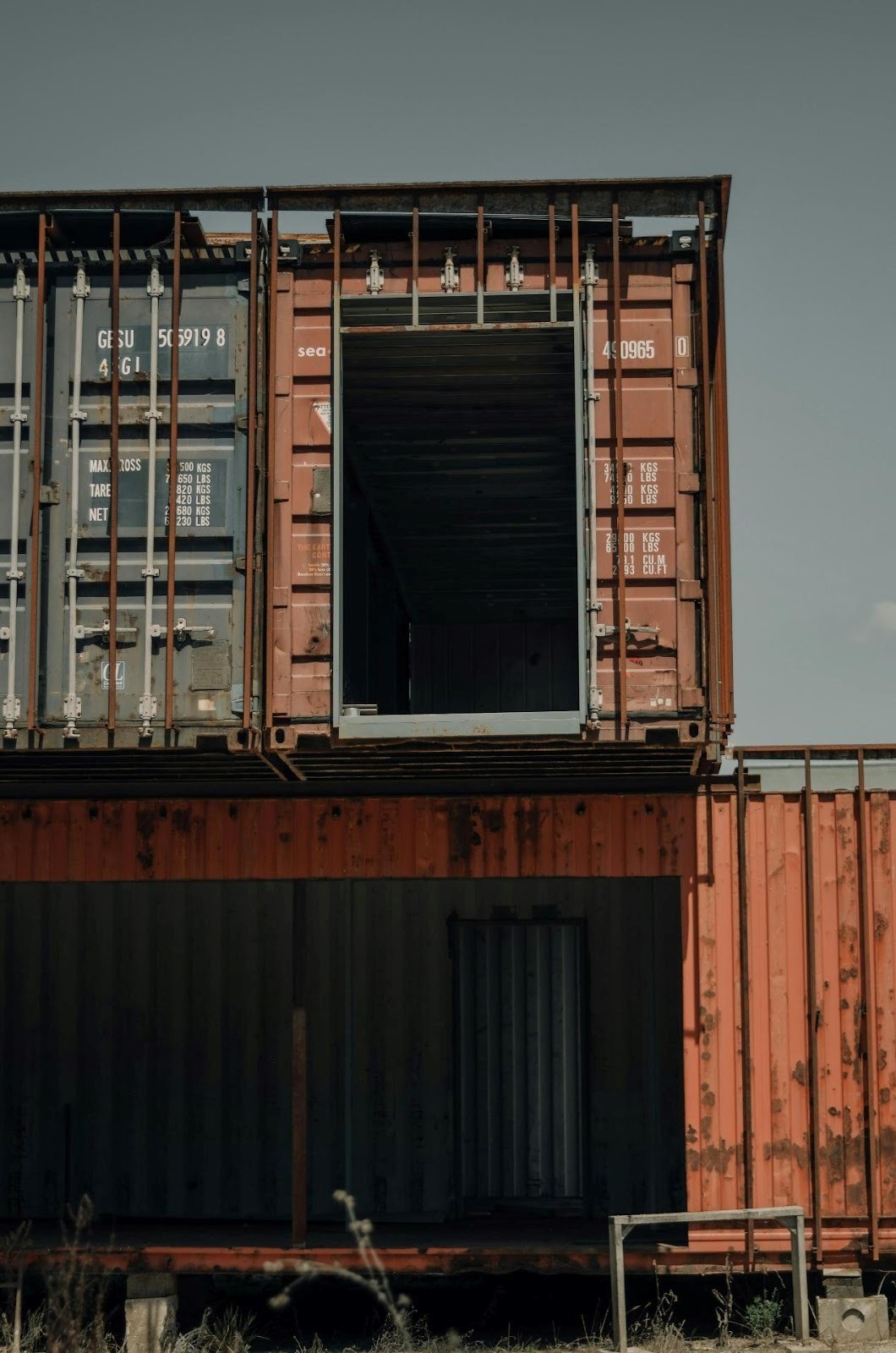
In their lifetime many metal containers are used to transport goods across oceans and highways. Hence why they are built to withstand extreme weather and heavy loads. For many years this has been their only purpose.
Today, these durable steel structures are being reimagined as flexible commercial spaces that support modern business needs. With the addition of engineered enhancements such as Shipping Container Roof Systems, containers not only have the features of being rainproof, stable and attractive, but are also highly suitable for long-term use.
This transformation is reshaping how developers approach cost efficiency, speed of construction, and sustainable design in commercial real estate.
From Transport Units to Functional Business Spaces
The growing appeal of metal containers lies in their strong structure and standardized dimensions. With their original purpose and their modular form, they are designed to stack, connect, and modify units with minimal engineering complexity.
Instead of committing to lengthy traditional construction projects, businesses can convert containers into readymade spaces that are quicker to install and easier to relocate when operations change. This flexibility makes containerized buildings particularly attractive in urban development projects and temporary commercial areas, as in these places, flexibility is of crucial importance.
Innovative Commercial Applications Gaining Momentum
Across industries, metal containers are now supporting a wide range of commercial uses.
Retailers are turning them into pop-up shops and boutique storefronts that attract attention while keeping startup costs low. These spaces allow brands to test new markets without long-term leases or major construction investments.
Office conversions are also becoming increasingly common. Containers serve as temporary workspaces, creative studios, and mobile offices that can be deployed rapidly for growing teams or short-term projects.
In the events and hospitality sector, container structures are being used as ticket booths, cafes, exhibition spaces, and temporary lounges. Their industrial aesthetic adds visual character while maintaining durability and security.
Developers are even transforming containers into modular housing and workforce accommodation. Entire living complexes can be assembled within weeks, providing quick solutions for housing shortages, student living, and emergency shelters.
Storage and logistics operations benefit as well, with container-based hubs offering secure on-site inventory management and flexible warehousing that adapts to shifting supply chain demands.
Business Advantages Driving Adoption
For many companies, container-based construction offers clear financial and operational benefits.
Initial setup costs are significantly lower than traditional buildings, while project timelines are dramatically shorter. Businesses can begin operations sooner and scale gradually as demand grows. Mobility also plays a key role, allowing companies to relocate or expand without major demolition or rebuilding expenses.
This phased growth approach reduces financial risk and supports healthier cash flow, particularly for startups and fast-growing enterprises navigating uncertain markets.
Sustainability at the Core of Container Design
Environmental responsibility is another major factor behind the rise of container architecture. Repurposing steel containers reduces the need for new raw materials and limits construction waste. Their long lifespan minimizes maintenance requirements and extends usability across multiple projects.
Many developments now incorporate insulation upgrades, energy efficient systems, and renewable power sources, further improving environmental performance. As sustainability becomes central to commercial real estate planning, container reuse aligns economic efficiency with environmentally conscious development goals.
The Future of Flexible Commercial Development
Commercial real estate is increasingly shifting toward adaptable infrastructure that responds quickly to changing business models. Pop up retail, modular offices, flexible warehousing, and rapid housing solutions are no longer experimental concepts. They represent practical responses to rising construction costs, urban density, and evolving consumer behavior.
Conclusion
Metal containers have evolved far beyond their original role in global transportation. They now serve as innovative, cost effective, and sustainable building blocks for modern commercial real estate.
From retail and offices to housing and logistics, these adaptable spaces enable faster development while minimizing environmental impact. As businesses continue prioritizing flexibility and efficiency, container-based architecture is set to remain a key force shaping the future of commercial construction.
