

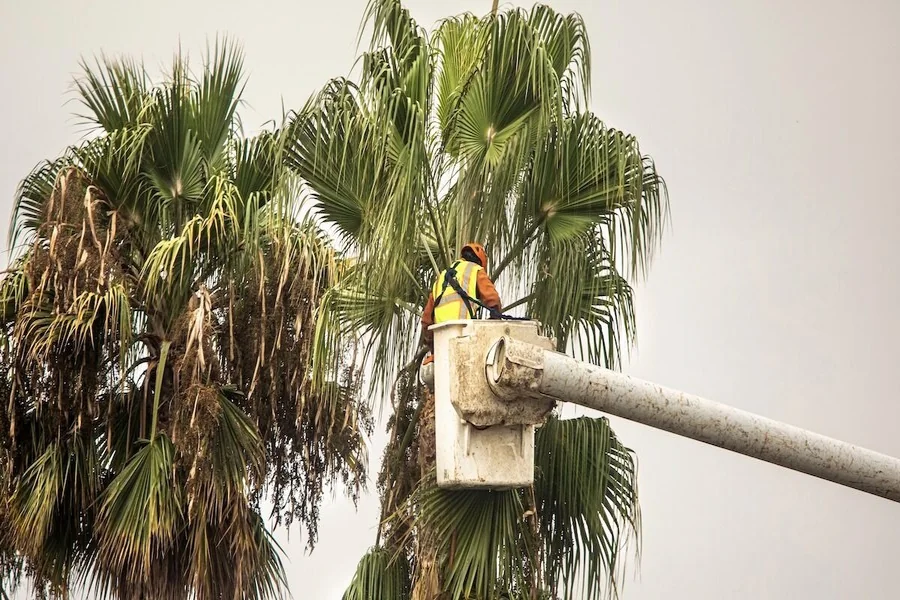
Maintaining healthy trees in the Outer Banks (OBX) of North Carolina requires understanding how seasonal variations influence tree growth and the optimal times for trimming. The unique coastal environment of OBX presents both challenges and opportunities for year-round tree care. For residents seeking professional assistance, Albemarle Landscapes and Tree Service offers expert tree trimming service in the OBX NC. Albemarle Landscapes and Tree Service brings extensive regional experience and in-depth knowledge of the unique challenges posed by coastal environments. Their team understands local conditions and follows all applicable regulations to ensure your trees remain healthy, safe, and professionally maintained. By combining technical expertise with tailored care solutions, they deliver reliable tree and landscape services designed to enhance property value and long-term sustainability.
Understanding Seasonal Impacts on Tree Growth
In the OBX region, trees grow according to natural cycles shaped by the coastal climate and seasonal changes. During spring and summer, warm temperatures and ample sunlight encourage rapid growth, making trees produce new branches and foliage. As fall approaches, trees begin slowing their growth and redirecting energy to strengthen their structure in preparation for colder months. Winter marks a period of dormancy when growth is minimal and internal processes stabilize. Understanding these cycles helps determine the best timing for pruning, ensuring cuts heal properly, reducing stress on the tree, and promoting long-term health, structural integrity, and resilience against weather-related damage.
Optimal Times for Tree Trimming in OBX
Timing is crucial when it comes to tree trimming. Here’s a seasonal breakdown:
- Late Winter to Early Spring (February to March): This period is ideal for most tree species, as they are dormant, reducing stress and the risk of disease transmission. Pruning during this time encourages robust growth in the upcoming season.
- Summer: While major pruning is generally discouraged, light trimming can be performed to remove dead or hazardous limbs, especially after storms. However, excessive pruning during active growth can stress trees.
- Fall: Pruning is typically avoided as trees enter dormancy, as cuts may heal more slowly, increasing susceptibility to disease.
For specific species such as oaks, it’s advisable to prune during dormancy to prevent oak wilt. Consulting with local experts can provide guidance tailored to the OBX environment.
Local Regulations and Environmental Considerations
In Nags Head, a community within the OBX, local regulations have been strengthened to safeguard native tree species, especially live oaks. Removing protected trees without proper authorization can result in fines, penalties, or replanting requirements, underscoring the importance of following municipal guidelines before undertaking any tree work. These rules are designed to preserve the area’s natural beauty and ecological balance. In addition, the OBX’s coastal environment makes trees essential for stabilizing soil and preventing erosion while providing habitat for wildlife. Proper trimming and maintenance practices ensure trees remain healthy and structurally sound, supporting both property protection and the overall resilience of the surrounding ecosystem.
Frequently Asked Questions
When is the best time to trim trees in the Outer Banks?
Late winter to early spring is the ideal period for most tree species in the OBX because trees remain dormant, reducing stress during pruning or maintenance. This timing limits sap loss, lowers the risk of disease and pest infestation, and supports healthier regrowth once the growing season begins.
Are there specific regulations for tree trimming in OBX?
Yes, towns like Nags Head enforce regulations to protect specific tree species and maintain environmental balance. Before trimming or removing any tree, property owners should review local ordinances and permitting requirements to ensure compliance. Consulting local authorities helps prevent penalties, protects native trees, and supports responsible land management practices.
How do seasonal storms affect tree trimming schedules?
After storms, immediate trimming may be necessary to remove damaged or hazardous limbs. However, routine maintenance should align with the optimal seasonal windows to ensure tree health.
By aligning tree trimming practices with seasonal changes and local regulations, property owners in the Outer Banks can promote stronger growth and long-term tree health. Timing maintenance efforts according to weather patterns, growth cycles, and environmental conditions reduces stress on trees and encourages proper healing after pruning. Following local guidelines also ensures compliance with community standards while protecting native species and surrounding ecosystems. Consistent, strategic care helps prevent hazards from overgrowth, weak branches, or storm damage. As a result, well-maintained trees enhance curb appeal, improve safety, and contribute to the overall beauty, resilience, and stability of the coastal landscape.
