

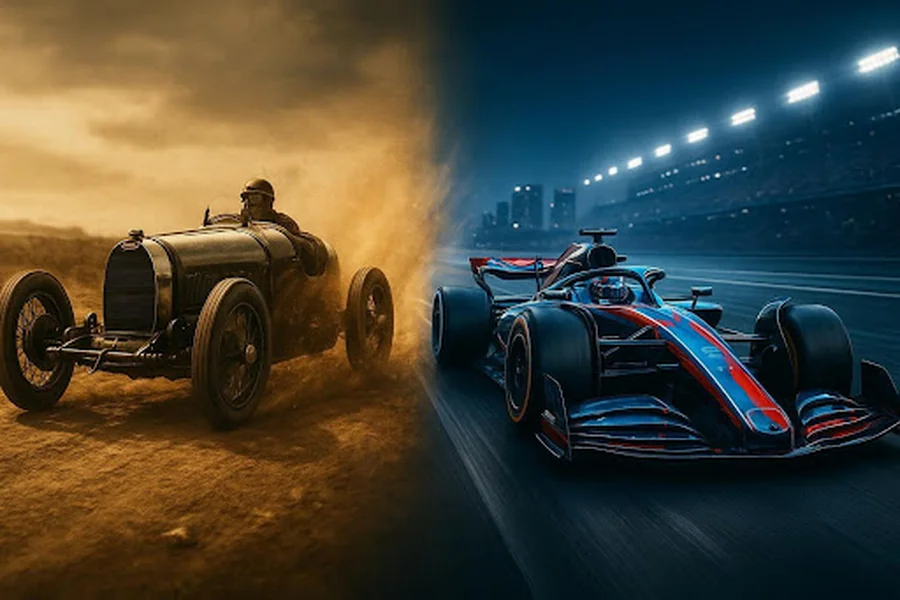
Motorsport history shapes today’s racing designs by acting as a constant test ground, where over 100 years of high-pressure trials have created the basic plans for modern performance, safety, and efficiency. Today’s race cars are not stand-alone ideas; they are improved versions in a long chain that started with simple, tough machines and has grown into the highly tuned, data-focused, aerodynamic cars seen on grids today. Every winglet, carbon-fiber panel, and hybrid energy system exists because earlier versions were pushed to the limit on older tracks.
This link between past and present shows up clearly in endurance racing. From smooth Le Mans prototypes to tough desert racers, the need for durability has always guided design. Fans who value this long story of strength and style can connect with it through Dakar merch, which reflects the off-road toughness that still shapes modern vehicle layouts. History keeps the core idea alive: technology changes, but the goal of pushing limits stays the same.
How Motorsport History Shapes Modern Racing Design
Key Milestones in Racing Car Evolution
In the early 1900s through the 1930s, race cars were mostly reinforced road cars. Drivers sat in open cockpits with almost no protection, holding wooden steering wheels while dust, rocks, and debris flew past exposed wheels. Cars like the 1929 TRACTA A-a front-wheel-drive Le Mans class winner-showed that unusual engineering choices could give a real edge. This period was about basic mechanical strength, and the main aim was simply to finish the race.
From the 1940s to the 1960s, things changed quickly as engineers started with fresh ideas after the war. Lighter materials began to replace heavy frames, and shaping the body to cut through the air became a key goal, not just a styling choice. Icons such as the Jaguar XK120, once the fastest production car in the world, and the 1952 Mercedes-Benz W196, which brought smooth, streamlined shapes to Formula One, marked big steps forward. Racing moved from raw power and toughness to a smarter mix of chassis balance, weight control, and reliability.
Iconic Racing Series and Their Design Legacies
Different types of racing have each left their mark on how cars are designed today:
- Formula One pushed the move to smaller but more powerful engines, advanced electronics, and detailed aerodynamics. The Mercedes-Benz “Silver Arrows” of the 1930s built a strong image of accuracy and speed that still helps define the brand.
- NASCAR highlighted strength and toughness. On oval tracks, cars often make contact, so they must be very strong. This focus on impact resistance has affected how road cars are built, from chassis strength to crash protection.
Endurance racing, led by the 24 Hours of Le Mans, stresses a different mix: smart planning, teamwork, and long-lasting hardware. Cars must keep high performance over hundreds of laps, forcing engineers to master cooling systems, fuel use, and parts that can run at high load for hours. From the long-tail Porsche 917 to modern hybrid Le Mans cars, endurance racing has given designers a clear guide to what survives the harshest conditions, helping modern race and road cars to be both quick and dependable.
Technological Innovations Inherited from Motorsport’s Past
Engine Technology: From Early Experiments to Modern Power Units
The story of the internal combustion engine is closely tied to racing. Turbochargers, now common in many road cars, were first used to get more power from smaller engines in F1 and endurance racing. Fuel injection also grew out of motorsport as a cleaner, more accurate replacement for carburetors, giving smoother power delivery and better fuel use in everyday driving — a technical heritage that still shapes the performance culture celebrated by motorsport fans and shops like https://www.topracingshop.com/.
Today, engines sit in the hybrid age. Modern power units, like those in the Mercedes-AMG® Petronas F1 Team, combine combustion engines with electric systems that store and reuse energy. This “E PERFORMANCE” idea marks a shift from large engine size to careful use of heat, energy recovery, and torque. By looking back at older engine designs, engineers keep core combustion knowledge while blending in electric motors and batteries for instant torque and higher efficiency.
Aerodynamics: Progression from Streamlined Forms to Downforce Mastery
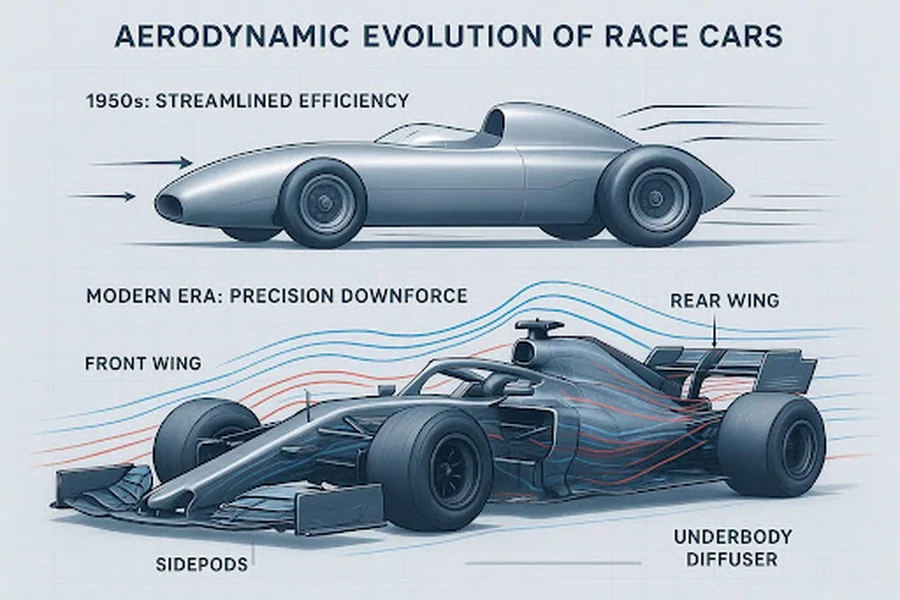
Aerodynamics is now one of the key parts of race car design. What started in the 1950s as simple smooth shapes to reduce drag has turned into very detailed airflow control. Spoilers and rear wings, first used to push the car onto the track for more grip, are now normal on many sports cars. They keep the car stable at high speeds so it stays firmly planted.
Racing also led to the use of underbody diffusers, which control the air under the car to cut drag and improve stability and fuel use. Current designs add active grille shutters, brake-cooling ducts, and carefully placed vents-solutions shaped in long-distance racing where cooling and airflow are just as important as speed. This progress lets today’s cars look sleek while also working very efficiently.
Advanced Materials: Lightweight Solutions and Structural Advances
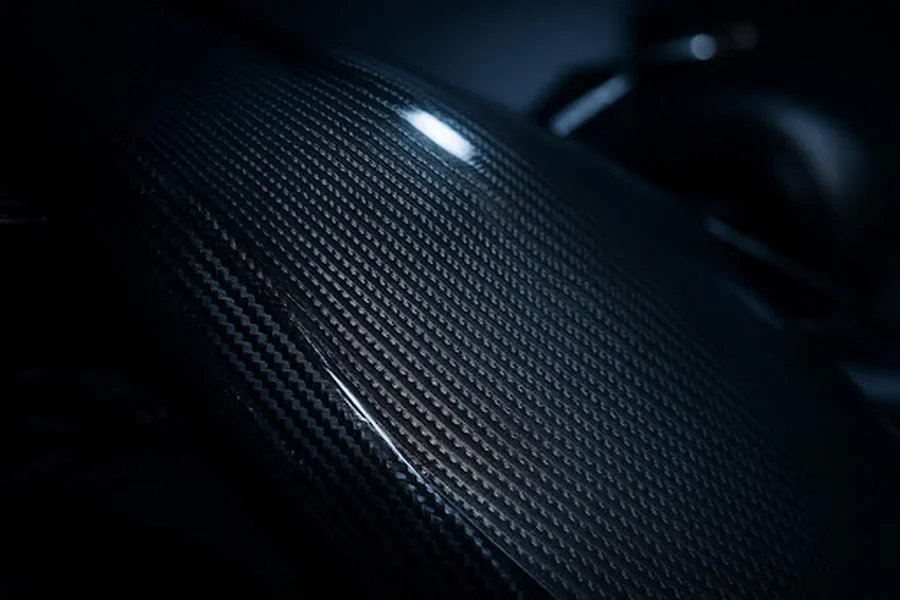
The hunt for speed has always meant cutting weight. Formula One popularized carbon fiber because it is very light yet strong. It allowed engineers to make complex shapes that could handle high loads. Now, carbon fiber is common in high-performance road cars, trimming weight while keeping passengers safe.
Aluminum and composite materials in engines, suspension, and chassis also come from race-track learning. These materials help cars corner better, stop faster, and use less fuel. By choosing metals and composites more carefully, engineers aim for lower emissions and better performance at the same time, following the same spirit that once drove teams to find any small gain on race day.
Suspension and Handling Improvements through the Decades
Racing has pushed suspension design forward so cars stay stable at very high speeds. Independent suspension, which lets each wheel move on its own, appeared in race cars long before it became common on road cars. It made handling smoother, safer, and more predictable on bumpy surfaces.
Modern adaptive suspension systems, first used in high-end racing, now appear on many premium road cars. Using sensors and controllers, they change damping on the fly to match the road, improving both comfort and control. By studying the suspension layouts of older F1 and sports cars, engineers still learn how weight moves in a corner and how tires grip, then apply those lessons to today’s agile street and track machines.
Transmission and Drivetrain Evolution
Racing’s demand for quick, smooth gear changes helped lead to modern gearboxes like Dual-Clutch Transmissions (DCTs) and advanced automatic systems. These setups reduce shift times and keep power flowing, which improves acceleration and fuel use for everyday drivers.
Modern all-wheel-drive systems such as Mercedes 4MATIC®+ also trace back to racing needs. By shifting torque between wheels and axles, these systems give better traction in corners and on slippery roads. The same ideas that help a race car exit a bend faster now help family cars stay stable in rain and snow.
Safety Innovations: Lessons Learned from Racing History
Crash Structures and Barrier Technologies
In racing’s early days, safety barely entered the picture. Today it is a main design focus. Crumple zones-areas that deform in a crash to absorb energy-were tested in racing before spreading to road cars. They reduce the forces on people inside the car and cut the chance of serious injury. The methods used to protect drivers at over 180 mph now guide how everyday vehicles handle impacts at far lower speeds.
Fire Suppression and Driver Protection
Serious accidents, including the 1955 Le Mans disaster, forced a new way of thinking about fire and impact safety. Modern race cars carry built-in fire suppression systems and use fuel cells that resist punctures and leaks. These ideas influenced safer fuel tank placement, better fuel lines, and use of flame-resistant materials in normal cars, helping protect both drivers and passengers during crashes.
Seatbelts, Helmets, and HANS Devices
Personal safety gear has also changed with help from racing. The HANS (Head and Neck Support) device, now required in most big series, cut the rate of deadly neck injuries by limiting head movement during crashes. While road users do not wear HANS devices, studies from racing have helped improve airbag timing, seat headrests, and belt design. These changes reduce whiplash and head injuries and make everyday driving safer worldwide.
Design Philosophy: Balancing Aesthetics and Performance
Visual Identity in Livery and Branding
Livery-the paint and graphics on a car-shapes how a race car is remembered. Before sponsors took over, racing colors showed a car’s home country: red for Italy (Rosso Corsa), green for Britain, silver for Germany, blue for France. In the 1960s, sponsorship deals turned cars into moving ad boards, bringing bold stripes, logos, and color schemes. Famous looks like the blue-and-orange Gulf Racing cars or the black-and-gold John Player Special Lotus still influence race and road designs.
Today, many teams choose cleaner looks, using matte paints, strong color blocks, and digital-style patterns. Still, nostalgia remains powerful. Teams often bring back older liveries for special events, linking current cars to famous past wins. This mix of style, sponsor needs, and function keeps racing machines visually striking and instantly recognizable.
The Role of Team and Driver Collaboration in Design
Race car design is a team effort where drivers play a key role. Their feedback shapes mirrors, steering wheels, pedals, seats, and control layouts. The cockpit must be both a safe shell and a place where the driver can work for hours with full focus. This attention to human comfort and control has influenced road cars, leading to clearer dashboards, better seating positions, and improved visibility.
Sustainability and the Green Revolution in Motorsport Design
Transition from Combustion to Electric Powertrains
As concern about emissions grows, motorsport is helping push cleaner technology forward. All-electric series like Formula E have sped up progress in battery design, motor efficiency, and energy recovery. Lessons from these series help improve electric road cars, giving them better range and faster charging. Work on hydrogen and other low- or zero-emission setups in racing also feeds into future road projects.
Efficient Design Principles from Endurance Racing
Endurance racing has always rewarded efficiency: covering the most distance with the least waste. Hybrid race cars recover energy during braking and store it for later use, a method now used in many road-going hybrids and EVs. Regenerative braking helps charge batteries while driving and increases range. These ideas show that strong performance can go hand in hand with lower fuel use and cleaner operation.
How Classic Racing Influences Today’s Road and Track Cars
Adapting Race Technologies for Street Vehicles
The route from track tech to road cars is clear. Systems like Anti-lock Braking (ABS), Electronic Stability Control (ESC), and Traction Control were all improved in racing before going mainstream. They help drivers maintain control under hard braking or slippery conditions, cutting crash risk. When you buy a modern car, much of its hidden safety and control software comes straight from motorsport development.
Heritage Models and Retro-Inspired Designs
Many brands create “halo” models that show off their racing roots. Modern Mercedes-AMG cars, for example, carry over ideas and build quality that trace back to 1967, with a focus on strong and repeatable performance. Retro-inspired models often mix classic shapes-long hoods, rounded tails-with modern aerodynamics, electronics, and safety. This approach lets fans enjoy old-school looks with present-day comfort and reliability.
Case Studies: Race-to-Road Innovations
| Car | Year | Key Innovation | Impact on Modern Cars |
| ALVIS FD 12-75 | 1928 | Supercharged aluminum engine and body | Helped show how light materials and forced induction can work together |
| Renault Alpine A110 | 1974 | Rugged, compact rally layout | Set patterns for small, adaptable sports and rally cars |
The Tampa Bay Automobile Museum holds examples like these to show how early race cars tested ideas that are now normal. The “trial and error” work done with metals, shapes, and drivetrains helped later engineers choose better solutions more quickly.
The Lasting Impact of Motorsport History on Future Racing Designs
Looking ahead, influences from racing’s past will mix with new tools such as artificial intelligence and driverless test cars. AI already helps teams study data in real time and run virtual tests of new designs before any physical parts are made. As cleaner power sources and smarter aerodynamics spread, the core target stays the same as in the early days: reach the finish first by using smarter engineering.
The line between race cars and road cars keeps getting thinner. As the car industry changes, it still draws heavily on hand-built racing traditions and the drive to win. Future designs will likely blend advanced electronics and software with a respectful nod to older machines, keeping the raw competitive spirit of motorsport alive even as cars get quieter, cleaner, and more connected.
Frequently Asked Questions about Motorsport’s Influence on Racing Design
What Are the Most Significant Racing Innovations Seen on Today’s Cars?
Some of the most important race-born features now used on road cars include:
- Turbocharging – smaller engines that make more power with better fuel use.
- Carbon fiber – very strong yet light structures for better performance and safety.
- ABS (Anti-lock Braking System) – stops wheels from locking under heavy braking, improving control and reducing crash risk.
How Has Driver Safety Changed Over the Years?
Driver safety has gone from almost ignored to deeply researched. Main changes include:
- Crumple zones that absorb crash energy.
- Roll cages that protect the cockpit in heavy impacts.
- HANS devices and better helmets to limit head and neck injuries.
- Fire suppression and safer fuel storage, cutting the risk of fires.
Many of these ideas later shaped how family cars are built and tested.
Do Motorsport Teams Still Rely on Historical Inspirations?
Yes. Engineers often study older race cars to learn about suspension layouts, aerodynamics, and engine concepts that worked well. Designers also bring back classic color schemes and logos as “retro” liveries to honor famous cars and seasons. This ongoing link with the past helps teams build on proven ideas instead of starting from scratch.
Beyond engineering, keeping motorsport history alive has become an industry of its own. Places like the Tampa Bay Automobile Museum and many private collections keep historic race cars running and on display. These cars are treated as important artifacts that show how car design moved from wooden steering wheels and simple frames to carbon-fiber tubs and hybrid power units. As racing moves further into a low-emission future, these older machines help people understand and value the loud, mechanical ages that came before.
