

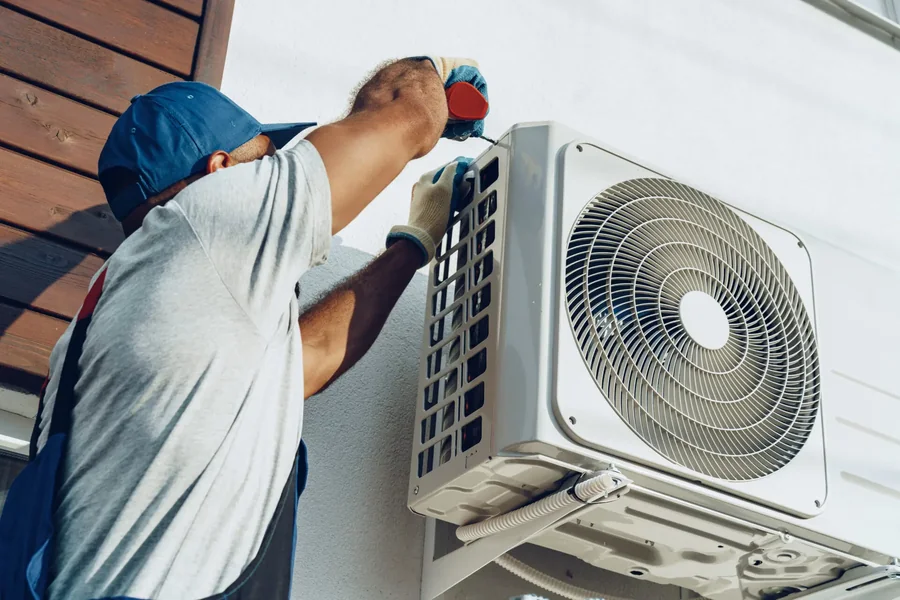
Choosing an HVAC contractor affects more than one repair visit. Heating and cooling equipment controls comfort, indoor air quality, energy use, and daily routines throughout the year. A rushed choice can lead to unclear pricing, repeated breakdowns, or maintenance that misses important warning signs. The right contractor should communicate clearly, inspect the full system, explain options in plain language, and respect your home while working. When you choose carefully, repairs become easier to understand, and maintenance becomes a steady plan rather than a last-minute reaction to poor performance.
What Matters During Selection
-
Look for the Clear Service Process
A reliable HVAC contractor should have a clear process from the first call to the final check. When you contact a company, notice whether it asks useful questions about the system, the problem, the age of the equipment, and any recent changes in performance. A contractor who takes time to understand the issue is more likely to arrive prepared with the right tools and parts. During the visit, the technician should inspect the thermostat, filters, airflow, electrical components, refrigerant condition, drains, coils, and equipment operation before making a repair recommendation. This matters because heating and cooling problems can have similar symptoms but different causes. A dirty filter, duct restriction, a blower issue, or a frozen coil may cause weak airflow. A clear process reduces guessing and helps you understand why a repair is needed. It also gives you confidence that the work is based on careful testing rather than assumptions.
-
Compare Communication and Written Details
Good communication is one of the strongest signs that an HVAC contractor may be a good fit for repairs and maintenance. You should receive clear appointment information, service notes, pricing details, and an explanation of what was found. If a contractor avoids questions, gives vague answers, or pushes a decision before explaining the problem, that can create uncertainty. A written estimate helps you see labor, parts, maintenance needs, and any possible follow-up work before you approve anything. Homeowners comparing companies such as I Care Air Care should focus on how clearly the contractor explains repair steps, maintenance timing, and system condition. This is important because HVAC work can involve both immediate repairs and long-term planning. A clear contractor helps you know whether a part has failed, whether the system needs cleaning, or whether age is affecting performance. Strong communication also makes maintenance visits more useful because you can track changes over time.
-
Ask About Maintenance Approach
Repairs matter, but maintenance is what helps reduce unexpected problems. A good HVAC contractor should treat maintenance as more than a quick filter change. During a service visit, the technician should check safety controls, electrical connections, blower operation, drain lines, coil condition, refrigerant performance, thermostat settings, and overall system response. For heating equipment, combustion checks or heat exchanger issues may also require attention, depending on the unit type. For cooling equipment, the outdoor coil, condensate drain, and temperature split can reveal early problems. Asking about the maintenance process helps you learn whether the contractor looks at the full system or only performs surface-level tasks. Maintenance should also include clear notes about worn parts, efficiency concerns, and recommended timing for future care. This makes it easier to plan repairs before peak weather arrives. A contractor with a steady maintenance method can help your system run more safely, use less energy, and last longer.
-
Review Trust Signals and Practical Fit
The right HVAC contractor should also fit your home, schedule, and equipment needs. Look for licensing where required, insurance, clear business information, and reviews that mention punctuality, clean work, fair explanations, and follow-through after service. Reviews are most useful when they describe actual experiences rather than general praise. You can also ask whether the contractor works on your system type, whether parts are commonly available, and how it handles warranty issues. Practical fit matters because a company may be capable but still not right for your situation if it cannot provide timely service or does not maintain your type of equipment. A good contractor should respect your home by using clean work habits, protecting nearby areas, and explaining what changed after the visit. The goal is to build a service relationship that feels organized, honest, and useful across multiple seasons, not just during one repair appointment.
Choose With Long-Term Comfort in Mind
Choosing the right HVAC contractor for repairs and maintenance is about finding a company that communicates clearly, inspects carefully, and supports long-term system care. The right choice can reduce unexpected breakdowns, improve comfort, and help you better understand your equipment. Look for a clear service process, written details, consistent maintenance practices, and a practical fit for your home. When a contractor explains findings without pressure and gives useful guidance, HVAC care becomes easier to manage. A careful choice today can help protect comfort, energy use, and system reliability through every heating and cooling season.
