

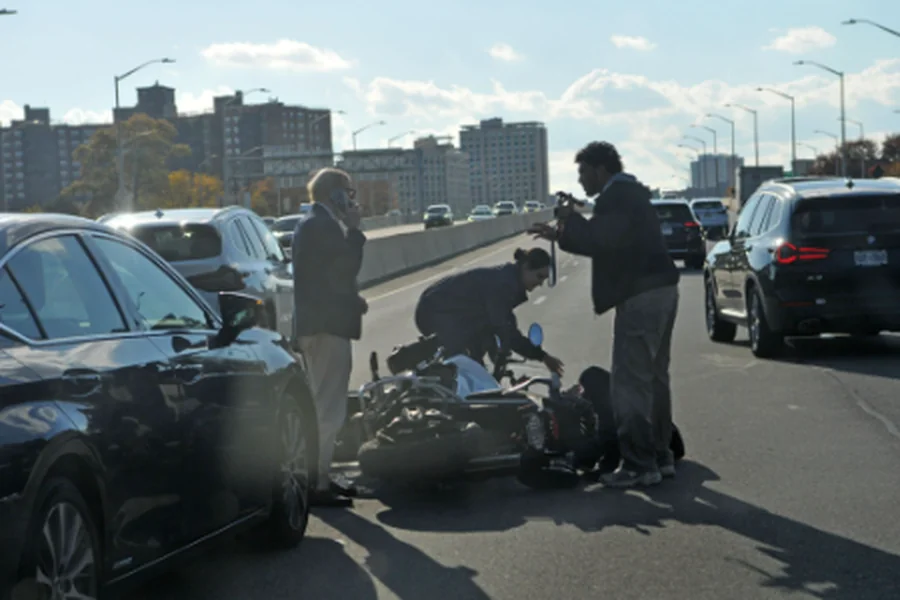
A two-wheeler accident can happen in seconds, but understanding what actually happened usually takes much longer. The road may look normal one moment, then suddenly there is a sharp brake, a quick movement, confusion in traffic, and people trying to process events before they fully understand them. What makes these situations difficult is not only the collision itself. It is the way people interpret the accident immediately afterward.
In the first few hours, everyone begins forming their own understanding of the situation. Riders replay the moment repeatedly in their minds. Witnesses discuss what they think they saw. Drivers try to explain movement and timing from memory. The challenge is that every version can sound believable while still missing important details. That is why the earliest understanding of a motorcycle or scooter accident is often incomplete.
Many people only begin noticing this complexity later while reading broader discussions around two-wheeler accident claims, especially where visibility, reaction time, and road positioning are examined more carefully than they are in the immediate aftermath of a crash. The first version of the story may feel certain, but certainty and clarity are not always the same thing.
TWO-WHEELER ACCIDENTS DEVELOP FASTER THAN MOST PEOPLE REALIZE
Two-wheelers move through traffic differently from larger vehicles. Motorcycles and scooters occupy less road space, react faster to sudden changes, and depend heavily on surrounding awareness. Because of this, even small changes on the road can create a chain reaction very quickly.
A rider may shift position slightly to avoid debris. A driver may turn, assuming the lane is clear. Traffic may slow down unexpectedly near an intersection. None of these moments seems major on their own, yet together they can create conditions for an accident within seconds.
The problem is that people often focus only on the impact itself instead of the sequence leading up to it. By the time the accident happens, several smaller details may already have influenced the situation without anyone fully noticing them.
PEOPLE REMEMBER THE COLLISION MORE THAN THE LEAD-UP
One reason these accidents become misunderstood is that human attention naturally moves toward the loudest and most dramatic moment. Most people clearly remember the sound of the collision, the sudden stop, or the reactions afterward. However, the smaller details before impact often fade quickly.
Things such as lane positioning, brief visibility loss, hesitation before a turn, or changing traffic movement may not stand out in the moment. Yet these quieter details can become highly important later when people try to reconstruct what actually happened.
This creates a strange gap in understanding. The most memorable part of the accident is not always the most informative part.
THE HUMAN BRAIN QUIETLY FILLS IN MISSING DETAILS
Stress changes the way people process information. After a sudden accident, the brain naturally tries to complete missing pieces so the situation feels more understandable.
That is why people sometimes become very confident about details they only partially observed. Someone may assume speed based on sound alone. Another person may believe they clearly saw positioning even though visibility lasted only a second or two. Witnesses may unintentionally combine separate moments together while recalling events later.
Usually, this does not happen because someone is trying to distort the story. The brain simply prefers complete explanations over uncertainty. As a result, assumptions can quietly blend into memory until they begin feeling like facts.
Over time, these early assumptions can shape the entire narrative surrounding the accident.
VISIBILITY ISSUES ARE MORE COMPLEX THAN THEY APPEAR
Visibility is another factor that people often underestimate after a two-wheeler accident. Motorcycles and scooters are smaller and can disappear into blind spots much faster than larger vehicles. Busy traffic, glare from sunlight, changing weather, and crowded intersections can all affect how clearly a rider is seen.
What seems obvious after the accident may not have felt obvious during the actual moment. This is where hindsight changes perception. Once people already know an accident occurred, they naturally believe the warning signs should have been easier to notice.
But real-time road conditions are rarely that simple. Drivers and riders are processing dozens of moving elements at once, and visibility can change within seconds.
WHY EARLY CONVERSATIONS MATTER MORE THAN PEOPLE THINK
The first conversations after an accident often shape how the event is later remembered. People begin discussing what happened while emotions are still high and information is still incomplete. Small assumptions get repeated, and repetition slowly makes those assumptions feel more certain.
This matters because early impressions tend to stay in people’s minds even after new information appears. A quick opinion formed in the first few minutes can quietly influence how later details are interpreted.
In discussions involving two-wheeler accident claims, this early narrative effect is often considered important because first impressions can strongly shape how the entire sequence of events is understood later on.
REAL UNDERSTANDING USUALLY ARRIVES LATER
As time passes, the understanding of the accident often changes. People begin revisiting earlier assumptions, noticing overlooked details, and rethinking parts of the sequence that initially seemed obvious.
A rider may later remember a blocked line of sight. A witness may realize that traffic movement affected their perspective. Environmental details that felt unimportant at first can suddenly seem significant afterward.
This delayed clarity is normal because the brain processes stressful events in stages. The first stage is reaction. The second is reflection. Reflection usually notices details that the immediate reaction completely missed.
CONCLUSION: THE FIRST STORY IS RARELY THE FINAL ONE
Two-wheeler accidents are often misunderstood early because people experience them emotionally before they process them logically. The mind reacts fast, but understanding develops slowly.
What first appears simple can become much more layered once timing, visibility, road positioning, and human perception are examined more carefully. That is why the earliest explanation after an accident is rarely the final one. Real clarity tends to emerge gradually, after emotions settle and smaller details begin connecting into a fuller and more accurate picture.
