

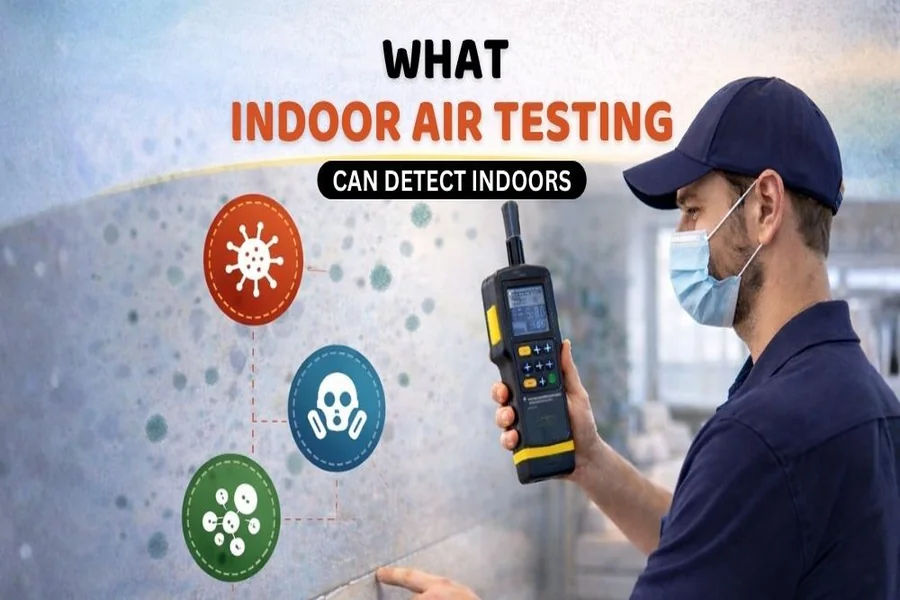
Have you ever noticed how your home can still feel stuffy even after cleaning and opening the windows? The truth is, pollutants can linger in the air even when everything looks fine, and over time, they can affect comfort, health, and even your home’s value. That’s why indoor air testing matters because it provides clear answers instead of guesswork.
Meanwhile, air quality testing can uncover mold spores, allergens, and chemical irritants, and radon testing can reveal a dangerous gas you can’t see or smell. If you want to protect your space and prevent bigger problems later, keep reading to learn what your indoor air might be hiding.
Managing the intricate balance of indoor humidity and temperature is essential for preventing the proliferation of biological contaminants like mold and dust mites. When relative humidity levels exceed fifty percent, these microscopic irritants can quickly colonize hidden areas within ductwork or wall cavities, leading to persistent respiratory discomfort for occupants. You can Click here to gain a better perspective on how mechanical systems regulate these atmospheric variables to maintain a stable living environment. Professional diagnostic tools can pinpoint specific mechanical failures that compromise filtration efficiency, allowing for targeted adjustments rather than guesswork. Prioritizing these technical refinements ensures that the air circulating throughout your home remain clean and conducive to long-term health.
Hidden Pollutants in Everyday Air
Indoor air can contain invisible pollutants. Over time, these contaminants accumulate through daily activities and may cause headaches, irritation, or persistent odors. The following pollutants commonly affect indoor spaces:
- Dust and fine particles: Fibers, skin cells, and outdoor debris can stay in the air and settle across the home.
- Smoke particles: Cooking fumes, candle smoke, and tobacco smoke release particles that linger and cling to surfaces.
- Cleaning chemical residues: Disinfectants and fragranced sprays leave residue that may irritate the eyes or throat.
- Combustion pollutants: Gas stoves, fireplaces, and space heaters may release carbon monoxide and nitrogen dioxide.
Even if your home appears clean, these pollutants can still impact your comfort. That’s why indoor air testing helps confirm what’s in the air and whether levels are too high. These signs often signal the need for testing:
- Recurring headaches indoors: Testing can help identify sources of combustion or chemical exposure.
- Lingering odors: Testing helps detect trapped smoke or product buildup.
Mold and Moisture-Related Contamination
Moisture problems often start unnoticed, yet they can quickly impact indoor air quality. When humidity rises, mold may grow behind surfaces and release spores—even without visible patches. Mold-related contamination often builds up in the following areas:
- Vents and HVAC systems: Airflow carries spores from damp zones and circulates them across rooms.
- Carpets and rugs: Fabric absorbs moisture and traps spores, which can lead to growth beneath the surface.
- Wall cavities: Condensation inside walls creates enclosed spaces where mold spreads unnoticed.
- Ceilings and insulation: Moisture buildup above living areas can trigger hidden growth and release spores into the air, posing a health risk.
Since these issues often stay hidden, air quality testing helps spot elevated spore levels and moisture indicators before damage spreads.
Monitoring devices provide a constant stream of data, yet interpreting these metrics often requires a deeper understanding of how various pollutants interact within a closed environment. While a consumer-grade sensor can flag immediate concerns, the underlying causes of poor air quality are frequently linked to the performance and cleanliness of a building’s mechanical systems. Property owners often choose to Learn more about the technical nuances of ventilation and filtration to ensure their sensors reflect a truly healthy living space. By balancing real-time digital monitoring with a fundamental knowledge of airflow and pollutant sources, residents can implement more effective strategies for long-term respiratory health and comfort throughout their homes.
Maintaining a healthy living environment often requires looking beyond visible indicators like dust or mold. While specialized sensors can track common chemical pollutants, the mechanical integrity of your home’s ventilation system plays an equally vital role in managing long-term air quality. Identifying structural issues or a sudden need for ac repair during a seasonal inspection can prevent the buildup of stagnant air that traps allergens and particulate matter. These professional evaluations provide the science-based data necessary to protect your family from hidden culprits like carbon dioxide or chemical off-gassing. By addressing both the biological agents and the mechanical efficiency of your HVAC units, you ensure a comprehensive approach to household wellness.
Maintaining a clean indoor environment involves more than just surface dusting; it requires understanding the invisible particles that circulate throughout a building. Professional testing can reveal a variety of pollutants, from carbon monoxide and mold spores to volatile organic compounds found in common household products. Many homeowners who find themselves searching for hvac near me often discover that consistent filtration is the primary defense against these irritants. Ensuring your system operates with high-efficiency filters significantly reduces the cumulative impact of various indoor sources. By identifying these specific airborne threats early, residents can take informed steps toward better respiratory health and overall long-term comfort within their living spaces.
Radon Risks From Below the Home
Radon forms naturally as radioactive materials in soil and rock break down over time. It is odorless and invisible, allowing it to build up indoors without warning. In most cases, it enters through openings that connect the ground to interior spaces. The following areas often allow radon to move inside:
- Foundation cracks: Small gaps in concrete let radon seep upward from the soil.
- Basements: Limited airflow allows radon to build up more easily in lower levels.
- Crawlspaces: Exposed ground and loose barriers provide a direct entry path for radon.
- Slab foundations: Joints and openings around pipes allow radon to pass through the slab.
- Utility penetrations: Gaps around plumbing and service lines create direct routes into the home.
Since radon has no visible signs, radon testing is the only reliable way to measure exposure. Knowing the levels helps you decide if mitigation is necessary. More importantly, testing early helps reduce long-term risk and protects everyone inside the home.
Allergens and Irritants That Trigger Symptoms
Even if you don’t notice dust or pollen, allergens can stay airborne and trigger asthma or allergy symptoms. Furthermore, enclosed rooms trap particles for a longer period, increasing exposure. The following sources often worsen indoor symptoms:
- Pet dander: Spreads through furniture and carpets and becomes airborne when people move through the room.
- Pollen: Enters through doors and windows, then lifts back into the air during cleaning or foot traffic.
- Dust mites: They accumulate in bedding, rugs, and upholstery, releasing particles that irritate the respiratory system.
- Household dust: Forms from fabric fibers and tracked-in debris and spreads through daily activity.
Moreover, indoor air testing helps homeowners identify symptom triggers by measuring airborne particles. Once confirmed, homeowners can apply targeted improvements, including:
- Upgrade filtration: Better filters trap fine particles and reduce recirculation.
- Clean HVAC systems: Duct and coil cleaning removes allergen buildup in vents.
- Improve ventilation: Fresh air reduces trapped irritants and indoor particles.
- Control moisture: Dehumidifiers and leak fixes limit mold and airborne spores.
VOCs and Chemical Exposure Indoors
VOCs (Volatile Organic Compounds) readily emit into the air under everyday indoor conditions. Many household products emit VOCs, and limited ventilation keeps them trapped indoors. Common sources include:
- Paint and primers: Fresh coatings release fumes during drying and may continue off-gassing.
- Furniture and cabinetry: Pressed wood items can emit chemicals from adhesives and finishes.
- Flooring materials: New carpet, vinyl, and laminate may emit VOCs, especially in enclosed spaces.
- Air fresheners and scented products: Sprays, plug-ins, and candles add lingering chemicals to the air.
- Household cleaning products: Disinfectants and sprays release compounds that can stay in indoor spaces.
Furthermore, air quality testing detects chemical imbalances by measuring VOC levels and identifying areas of buildup. It helps connect exposure to potential health effects associated with renovation activities, including:
- Fatigue or headaches: Exposure may affect focus and overall comfort.
- Dizziness or nausea: Higher VOC levels can trigger short-term reactions in poorly ventilated areas.
- Eye, nose, or throat irritation: VOC exposure can inflame airways and worsen sensitivity.
Breathe Smarter, Live Better!
Indoor air quality issues often remain hidden until they impact your well-being. That’s why indoor air testing matters—it provides homeowners with clear insight into what affects their comfort and safety. When you combine radon testing and air quality testing, you can address invisible gas risks and common airborne pollutants at the same time. As a result, you can make more informed decisions to achieve a healthier, long-term lifestyle. To catch problems early, contact a professional indoor air testing company today!
