

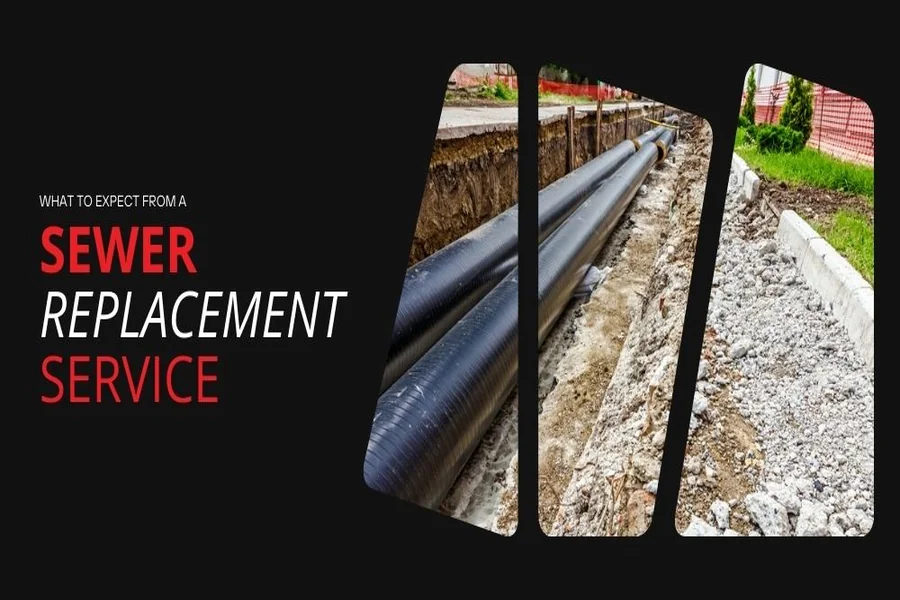
Do you feel stuck in a loop, as the same plumbing problem keeps recurring? If you’ve paid for sewer repair more than once and the issue persists, severe line damage can render quick fixes ineffective. In that case, a sewer replacement service may be the safer choice because it addresses the root problem rather than just patching it.
Moreover, homeowners can expect an inspection first, followed by a clear plan outlining the work area, timeline, and daily tasks for the team. Once sewer line replacement begins, professionals remove the failed section, install the new line, test the flow, and complete the cleanup. Keep reading to follow the process step by step and plan with less stress.
Warning Signs to Watch
Sewer issues can start quietly, making early action essential to prevent bigger disruptions. The following symptoms often point to a problem that needs sewer repair:
- Frequent backups: Waste returning through toilets, tubs, or floor drains often indicates a main-line blockage.
- Slow drains: Multiple slow drains at once can suggest buildup, root intrusion, or a restricted main line.
- Foul odors: Ongoing sewer smells indoors or near drains can indicate trapped waste or a leak.
- Foundation moisture: Damp areas, pooling water, or musty odors near the base of the home may indicate a hidden sewer leak.
- Yard sinkholes: Soft ground, dips, or sunken spots can mean soil is washing out from a damaged pipe.
Additionally, delaying action often increases the chance that sewer line replacement will be necessary. These are the risks:
- Worsening blockages: Small clogs can spread and become harder to clear.
- Wider leaks: Leaks can saturate soil and increase risk near the foundation.
- Higher cleanup bills: Backups can damage floors, walls, and belongings, which adds costs beyond the pipe work.
Sewer Repair vs. Full Replacement
The proper fix depends on the type of damage and the extent of the line’s impact. The table below shows when sewer repair fits and when replacement makes more sense:
| Factors | Sewer Repair | Full Replacement |
| Pipe damage | Minor cracks, small leaks, or one damaged joint | Pipe collapses, crushes, or loses shape |
| Clogs | A clog clears and does not return | Blockages repeat due to sagging, breaks, or heavy buildup |
| Corrosion and wear | Wear stays localized, and the rest of the line remains stable | Corrosion appears across long sections or pipe walls thinning out |
| Root intrusion | Roots enter in one spot, and the pipe still holds its shape | Roots spread through multiple joints and weaken the line |
| Inspection results | Camera footage shows one clear problem area | Camera footage shows multiple failure points or widespread damage |
| Long-term outcome | A targeted fix restores flow and stays reliable | Replacement prevents repeat failures when repairs won’t hold |
Beyond the primary excavation and installation phases, homeowners should consider the broader logistical requirements that often accompany major site work. Proper site preparation involves more than just clearing the immediate vicinity of the pipeline; it frequently requires the coordination of various heavy equipment operators and specialized technicians. To better understand the full scope of available professional assistance for large-scale property modifications, homeowners can see contractor services that specialize in different phases of site management and infrastructure removal. This holistic approach ensures that every aspect of the project, from initial demolition to final site restoration, is managed with precision. Addressing these auxiliary needs early in the planning process helps prevent unexpected delays and maintains the structural integrity of the surrounding landscape.
Sewer Line Replacement Process
Sewer line replacement follows a precise sequence from planning to final testing. The following steps outline what happens during the process:
- Permits and approvals: Obtain required documents, pull permits, and schedule inspections.
- Site prep: Mark the work area and set up access for equipment.
- Excavation or trenchless work: Accesses the line using digging or trenchless access points.
- Pipe installation: Removes the damaged section as needed, installs the new pipe, and secures connections.
- System testing and inspection: Checks for leaks and flow, then completes required inspections.
- Backfill and restoration: Fills the area and restores the surface in accordance with the agreed-upon scope.
During sewer line replacement, equipment and short-term disruption are normal. The following explains how a quality sewer replacement service keeps impact manageable:
- Equipment use: Utilize digging equipment or trenchless machines, along with tools for pipe installation and testing.
- Temporary service disruption: Limit water use during pipe connection and testing.
- Safety precautions: Secure the work area and keep people away from active equipment.
- Minimize property impact: Plan access carefully and limit digging when trenchless methods are suitable for the job.
Deciding on a full sewer replacement often involves weighing the long-term structural integrity of your property against the immediate costs of temporary fixes. While minor leaks might be manageable through localized repairs, persistent issues like sagging pipes or extensive corrosion typically indicate that the entire line has reached the end of its functional life. Local specialists like North Ogden Plumbing Pros emphasize the importance of using high-quality materials like schedule 40 PVC to prevent future root intrusion and chemical degradation. Ensuring the installation meets modern municipal standards not only resolves current drainage failures but also protects the home’s foundation from potential water damage caused by subsurface saturation. Selecting the right method depends largely on the depth and location of the existing line.
Costs and Prep Checklist
Sewer work costs vary because every property has different ground conditions and access limits. Planning also reduces delays because it clarifies pricing factors and preparations. The following factors shape a sewer replacement service estimate:
- Pipe length: Longer lines require more materials and labor.
- Depth: Deeper pipes require more excavation and added safety steps.
- Access limits: Tight spaces, fences, driveways, and structures can increase labor time and effort.
- Soil condition: Rock, clay, or saturated ground can slow progress and require extra equipment.
- Trenchless suitability: If trenchless work is feasible for the site, sewer line replacement may reduce digging, though pipe condition and entry points still affect the cost.
Moreover, these prep steps help the crew work efficiently and prevent avoidable problems:
- Clear the work zone: Move vehicles and outdoor items to maintain access.
- Protect landscaping: Mark sprinklers, low-voltage lines, and plants you want to preserve.
- Plan around water usage: Confirm when to reduce water usage, and then plan showers, laundry, and dishwashing accordingly.
- Confirm coverage: Ask the provider to explain what they cover after sewer repair or replacement, including labor, materials, and any trenchless work.
Smooth Flow Starts Here!
When sewer problems persist, quick fixes often become ineffective. A reliable sewer replacement service helps protect your home, reduces the need for repeat sewer repairs, and restores steady plumbing performance. Just as important, early inspections can catch damage before it becomes an emergency, making sewer line replacement easier and less expensive. Instead of waiting for the next backup, take action while options remain simple. Contact a professional sewer replacement service today to confirm whether repair is enough or if replacement is the wiser long-term choice.
