

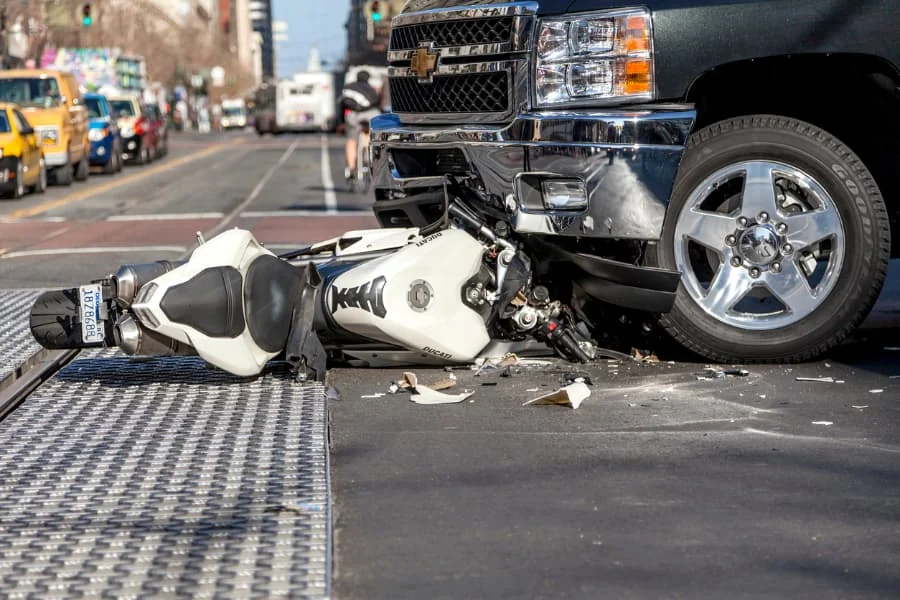
Intersections are some of the most dangerous places for motorcyclists. Cars are turning, drivers are watching multiple directions, signals change quickly, and a rider can be overlooked in a crowded visual environment.
Sometimes, a motorcycle crash is not caused by one careless driver alone. The layout of the intersection itself may contribute to the collision, especially when poor visibility, confusing lanes, bad signage, or unsafe traffic patterns make it harder for drivers and riders to avoid danger.
The Intersection as More Than a Backdrop
After a motorcycle crash, most people focus on the drivers involved. They ask who had the light, who turned first, who was speeding, or who failed to yield.
Those questions matter, but they may not tell the full story. An intersection can shape the choices people make before a crash, especially if its design makes it difficult to see motorcycles, judge distance, or understand who has the right of way.
Why Motorcycles Are More Vulnerable at Intersections
Motorcycles are smaller than passenger vehicles, so they can be harder to notice in heavy traffic. At an intersection, this problem becomes worse because drivers are often scanning for multiple hazards at once.
A driver may look for cars and trucks while failing to register an approaching motorcycle. If the intersection already has blocked views, awkward angles, or confusing signals, the rider’s risk increases even more.
Poor Sight Lines Can Hide a Rider
Sight lines refer to what drivers and riders can see from a specific position. At a poorly designed intersection, parked cars, landscaping, signs, utility poles, buildings, or road curves may block the view of approaching traffic.
For motorcyclists, a blocked sight line can be especially dangerous. A driver may begin a turn or pull into traffic believing the lane is clear, only to discover too late that a motorcycle was hidden from view.
Left-Turn Layouts Can Create Conflict
Left-turn crashes are a major concern for motorcycle riders. These crashes often happen when a driver turns across the path of an oncoming motorcycle and misjudges the rider’s speed or distance.
Intersection design can make this more likely. A short turn lane, awkward signal timing, obstructed view, or unprotected left turn may pressure drivers into quick decisions. When those choices are made around motorcycles, the outcome can be severe.
Confusing Lane Markings and Rider Positioning
Lane markings should guide drivers clearly through an intersection. When markings are faded, poorly placed, or difficult to follow, vehicles may drift, turn from the wrong lane, or crowd motorcycles during a turn.
Motorcyclists depend on predictable traffic movement. If a driver suddenly crosses a lane line or realizes too late that they are in the wrong lane, the rider may have little room to react safely.
Signal Timing That Leaves Little Margin
Traffic signals are supposed to organize movement, but poor timing can create risk. Short yellow lights, unclear turn arrows, or signal phases that encourage rushed decisions may increase the chance of a crash.
For motorcyclists, timing problems can be dangerous because they have less physical protection if another vehicle enters the intersection late. Even a brief hesitation or miscalculation by a driver can place a rider directly in the impact zone.
When Signs Do Not Give Enough Warning
Signs are meant to prepare road users for what comes next. Missing, blocked, faded, or poorly positioned signs can make an intersection more confusing than it should be.
A driver who does not receive clear warning of a stop, yield, lane shift, curve, or merge may make a sudden movement. If a motorcycle is nearby, that sudden decision can create a serious collision.
Lighting Problems After Dark
An intersection that seems manageable during the day may become dangerous at night. Poor lighting can make it harder to see motorcycles, lane lines, pedestrians, road defects, and traffic control devices.
This is especially serious because motorcycles have a narrower profile than cars. If lighting is weak or uneven, a driver may not recognize a motorcycle’s position or movement until there is no time to avoid a crash.
Road Surface Issues Inside the Intersection
Motorcyclists are more affected by surface defects than drivers in larger vehicles. Gravel, potholes, uneven pavement, loose debris, oil, standing water, or metal plates can cause a rider to lose control.
These hazards may be especially dangerous inside intersections because riders are already braking, leaning, turning, or adjusting speed. A small surface problem that barely affects a car can destabilize a motorcycle.
When the Investigation Must Look Beyond the Drivers
A motorcycle crash investigation should not stop with the collision report. The physical intersection may need to be examined carefully, including lane layout, signage, sight distance, traffic flow, lighting, and road condition.
This is where Drafahl Law Firm can help evaluate whether the crash involved more than ordinary driver error. In some cases, the design or maintenance of the intersection may become an important part of understanding what went wrong.
Evidence Found at the Scene
Important evidence at the intersection may help explain how the crash happened. This can include:
- Photos or videos
- Skid marks
- Debris fields
- Damaged signs
- Road markings
- Traffic signal placement
- Camera footage
- Lighting conditions
Timing matters because intersections can change quickly. Pavement may be repaired, signs replaced, lighting adjusted, and debris cleared before the scene is fully documented.
Crash History Can Reveal a Pattern
One crash may seem isolated, but repeated collisions at the same intersection can suggest a deeper safety problem. A history of left-turn crashes, near misses, rear-end collisions, or confusion among drivers may show that the layout creates recurring danger.
Crash history can be important because it may show that the risk was known or should have been known. If similar problems happened before, the intersection may deserve closer scrutiny.
Multiple Parties May Be Involved
When intersection design contributes to a crash, responsibility may become more complex. A negligent driver may still be partly responsible, but other entities may also need to be considered.
Depending on the facts, the case may involve a government agency, contractor, road maintenance company, property owner, or another party responsible for signage, lighting, construction, or traffic control. These claims can involve strict deadlines and special rules.
Why Motorcycle Cases Need a Full View of the Road
Motorcycle crashes are sometimes blamed on rider behavior too quickly. Insurance companies may assume the rider was speeding, difficult to see, or taking unnecessary risks.
A full investigation may tell a different story. The rider may have been placed in danger by a confusing intersection, poor visibility, unsafe road surface, or traffic pattern that made the crash more likely.
Seeing the Intersection as Part of the Cause
An intersection is not just the place where a motorcycle crash happens. Sometimes, it is part of why the crash happened.
When design, visibility, traffic control, or road conditions contribute to a collision, the case deserves a closer look. Understanding the full role of the intersection can help reveal whether the crash was truly unavoidable or the result of preventable safety failures.
