

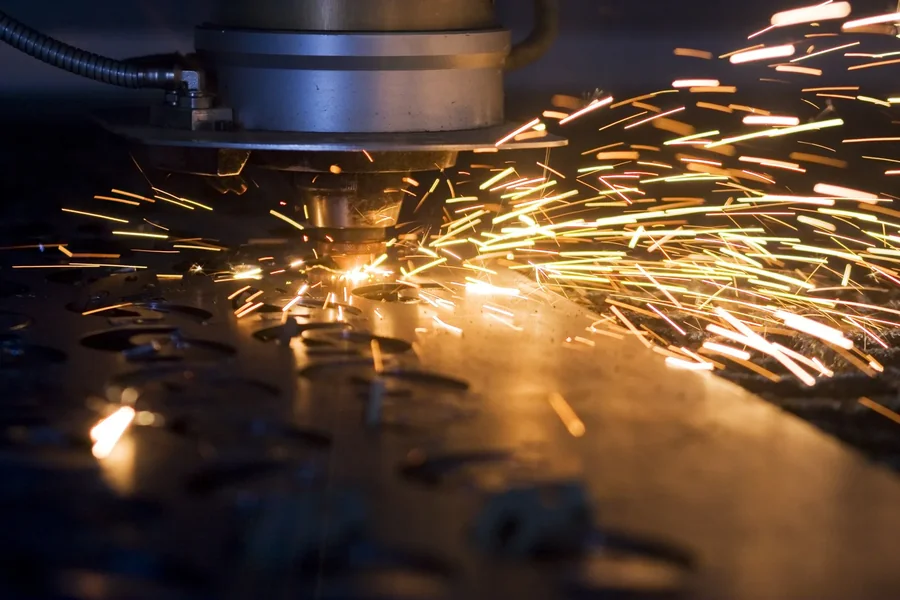
In modern manufacturing, precision is key to producing high-quality, reliable products. Across industries like construction, automotive, and machinery, the accuracy of metal cutting directly impacts a finished product’s strength, appearance, and functionality. Even small inconsistencies can cause assembly issues, structural weaknesses, or product failure. Precision metal cutting ensures every component meets exact specifications, helping manufacturers maintain quality, meet industry standards, and reduce waste. When parts are cut precisely, they fit together correctly and perform as intended. Advanced technologies like laser cutting have made this process more efficient, enabling the production of highly detailed components with exceptional accuracy. As a result, many industries rely on this technology for dependable results.
How Precision Cutting Improves Product Quality
Product quality often depends on the accuracy of its individual parts. When metal is cut with precision, the final product is stronger, safer, and more visually appealing. Accurate cuts ensure each piece aligns perfectly during assembly, reducing the need for adjustments or extra fabrication. Products that fit together correctly have fewer mechanical issues and longer lifespans. Precision cutting also creates clean, smooth edges. Rough or uneven cuts can weaken metal parts and create safety hazards, while smooth edges maintain the material’s structural integrity and improve its appearance. To achieve this, manufacturers use modern processes like laser cutting to maintain consistent quality across large production runs. This technology allows businesses to produce parts that meet exact design requirements without sacrificing speed or efficiency.
Reducing Waste and Improving Efficiency
Inaccurate cutting methods in metal fabrication often lead to material waste, where excess metal is discarded or more material is needed to fix mistakes. Precision cutting significantly reduces these problems by allowing manufacturers to maximize the use of each metal sheet. Designs can be arranged to use every part of the material effectively, which lowers production costs and supports sustainability. Efficiency also improves with accurate cuts. Workers spend less time correcting errors or replacing damaged components, making the production process faster and more streamlined. This benefits both the manufacturer and the client. Advanced, high-precision cutting equipment ensures parts are made correctly the first time, helping businesses maintain productivity and meet deadlines.
Supporting Complex Designs and Custom Projects
Modern products often feature intricate designs that traditional cutting methods can’t handle. Precision cutting technologies make it possible to create complex designs that were once difficult or impossible to manufacture. For example, laser cutting systems can produce detailed shapes, tight corners, and delicate patterns with remarkable accuracy, allowing engineers and designers to experiment with innovative ideas without compromising structural integrity. Custom fabrication projects, like architectural features, decorative metalwork, and specialized industrial components, particularly benefit from precision cutting. Precision equipment ensures each piece is produced to the client’s exact specifications. Companies offering laser cutting in Utah frequently work with clients who need highly customized parts with unique dimensions, specialized materials, or complex shapes that require advanced cutting technology.
Improving Safety and Structural Reliability
Precision cutting doesn’t just improve aesthetics and efficiency; it also plays a crucial role in safety and reliability. Accurately cut metal components are less likely to have stress fractures, weak joints, or structural failures. This is especially important in industries like construction, transportation, and heavy equipment manufacturing, where even minor flaws can lead to serious problems. Precision cutting ensures every component meets strict performance standards. Accurate fabrication also eliminates sharp edges and irregular surfaces that could pose hazards during installation or use. By creating parts that are easier to handle, assemble, and maintain, advanced metal cutting techniques help manufacturers uphold high safety standards and deliver stable, dependable products.
The Role of Advanced Technology in Metal Fabrication
Technology is transforming metal fabrication. Modern cutting systems combine computer-guided design with powerful tools for incredible accuracy. For instance, computer numerical control (CNC) systems guide machines based on digital designs, allowing manufacturers to produce identical components repeatedly—essential for industries needing large quantities of precisely engineered parts. Laser cutting is also valuable for its ability to handle various metals with exceptional accuracy and minimal distortion. These advancements help local industries stay competitive by producing high-quality metal components for many applications.
Conclusion
Precision metal cutting is a cornerstone of modern manufacturing. Accurate fabrication not only enhances product performance and safety but also minimizes waste and enables creative design. As technology advances, so will cutting methods. Manufacturers who invest in high-quality fabrication can create stronger, more reliable products to meet the increasing demands of modern industries. By using advanced solutions like laser cutting, businesses can produce components that meet exact standards, fostering both innovation and durability.
