

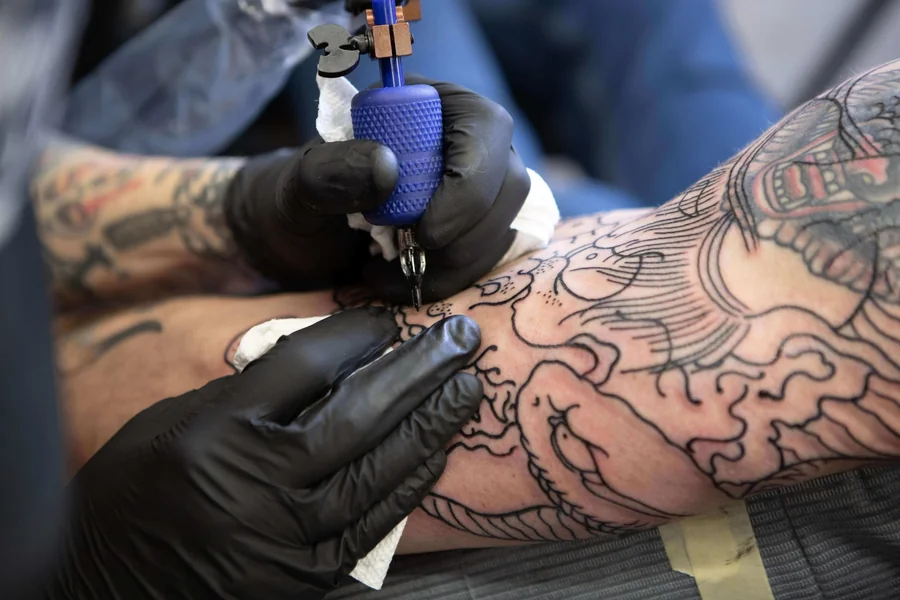
Getting a tattoo is an exciting decision, but it’s one that deserves careful consideration. While tattoos have become increasingly mainstream and socially accepted, they’re still a significant commitment that will affect your body for years to come. Whether you’re planning your first piece or adding to an existing collection, taking time to think through these important factors will help ensure you’re happy with your decision for the long haul.
Understanding the Permanence and Long-Term Implications
The most obvious thing to remember about tattoos is that they’re designed to be permanent. While removal technology has improved dramatically, it’s an expensive, time-consuming, and sometimes painful process that doesn’t always result in complete erasure. Before you commit, imagine yourself with this tattoo in five, ten, or twenty years.
Consider how your lifestyle might change over time. That edgy design that feels perfect now might not align with your future career goals or personal evolution. Think about placement carefully, especially if you work in conservative industries where visible tattoos could impact professional opportunities. The tattoo that seems like a great idea at twenty might feel different at forty.
Choosing the Right Design and Its Personal Significance
Your tattoo design should have genuine meaning or aesthetic appeal that will stand the test of time. Trends come and go quickly, and what’s popular today might look dated tomorrow. Take time to sit with your design idea for at least several months before committing.
Avoid impulsive decisions based on current relationships, pop culture moments, or fleeting interests. Many people seeking the best tattoo removal in Calgary, AB, are trying to erase names of ex-partners or symbols of phases they’ve outgrown. Instead, choose imagery or text that represents core values, memories, or artistic styles that resonate deeply with who you are.
Researching and Selecting a Reputable Artist
Not all tattoo artists are created equal, and the skill level of your artist will directly impact the quality of your tattoo. Spend time researching artists in your area, looking at portfolios, and reading reviews from previous clients. Each artist has their own style and specialty, so find someone whose work aligns with your vision.
Don’t choose an artist based solely on price. A cheap tattoo often means compromised quality, poor hygiene standards, or inexperienced work. Schedule consultations with potential artists to discuss your ideas, gauge their professionalism, and ensure you feel comfortable with them. A good artist will also provide honest feedback about whether your design will work well in your chosen placement and size.
Considering Placement and Size Carefully
Where you place your tattoo matters almost as much as the design itself. Some body areas are more painful than others, with ribs, feet, and spine typically ranking highest on the pain scale. Consider how much discomfort you’re willing to endure, especially for larger pieces that require multiple sessions.
Think about visibility and how it aligns with your lifestyle. Hands, neck, and face tattoos are increasingly common but can still limit employment opportunities in certain fields. Also consider how your body might change over time through weight fluctuation, aging, or pregnancy, and how these changes could affect your tattoo’s appearance.
Preparing for the Physical and Financial Investment
Quality tattoos aren’t cheap, and you should budget accordingly. Prices vary based on size, complexity, color, and the artist’s experience level. Large pieces may require multiple sessions, meaning you’ll need to factor in both the total cost and the time commitment.
Beyond the financial aspect, prepare yourself physically and mentally. Get plenty of rest before your appointment, stay hydrated, and eat a good meal. Avoid alcohol and blood-thinning medications that could affect the tattooing process. Understanding what to expect during the session will help you stay calm and make the experience more positive.
Understanding Aftercare and Healing Requirements
Proper aftercare is crucial for how your tattoo heals and looks long-term. Your artist will provide specific instructions, but generally, you’ll need to keep the area clean, moisturized, and protected from sun exposure for several weeks. Neglecting aftercare can lead to infection, color loss, or scarring.
Be prepared to adjust your routine during the healing period. You may need to avoid swimming, intense workouts, or tight clothing that rubs against the tattoo. The healing process typically takes two to four weeks for the surface, though complete healing can take several months.
Knowing Your Health Status and Potential Risks
Certain health conditions can complicate the tattooing process or healing. If you have diabetes, a compromised immune system, skin conditions, or blood disorders, consult with your doctor before getting tattooed. Some medications can also affect healing or increase bleeding during the procedure.
Be honest with your tattoo artist about any health concerns or allergies. Reputable artists will refuse to tattoo someone who’s intoxicated, pregnant, or has certain medical conditions. This isn’t about being difficult; it’s about ensuring your safety and the best possible outcome for your tattoo.
Getting a tattoo is a personal journey that should be approached with thoughtfulness and preparation. By considering these seven factors carefully, you’ll be better equipped to make a decision you won’t regret and end up with body art that brings you joy for years to come.
