

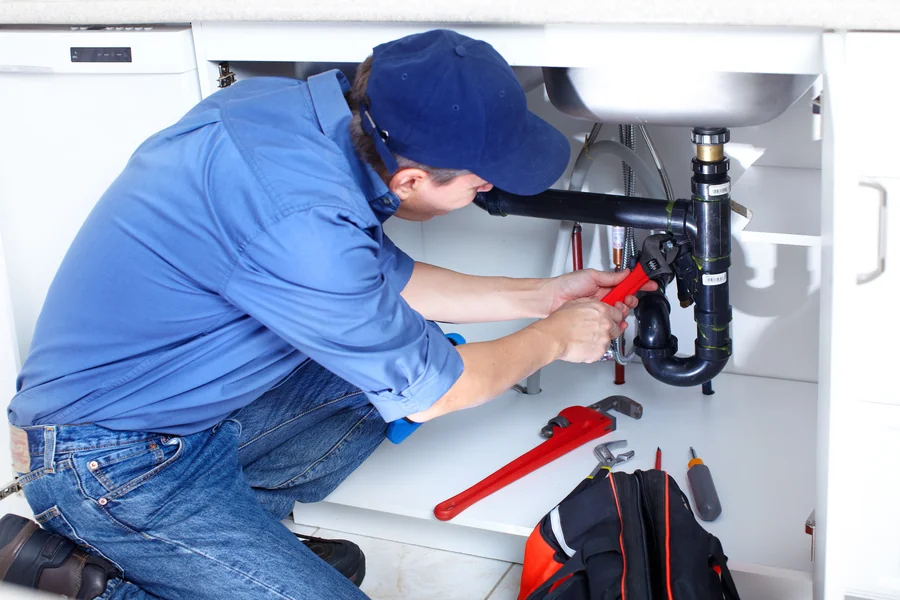
Water damage often begins quietly. A small drip behind a wall, a slow leak under a sink, or a weak pipe connection can cause problems long before a homeowner sees stains or damage to the flooring. A plumber helps prevent these issues by identifying trouble, repairing weak parts, and improving how water moves through the home. Their work is not limited to emergencies after damage appears. It also includes checking pressure, drainage, fixtures, and pipe condition before moisture spreads into drywall, cabinets, or materials. That attention can reduce repair costs, protect indoor air quality, and help the home stay safer over time.
Where Protection Starts
-
Finding Small Problems Before They Spread
One of the main ways a plumber protects a home from water damage is by identifying small plumbing problems before they become larger ones. Many damaging leaks do not begin with a burst pipe or sudden flood. They start with worn seals, aging valves, loose fittings, cracked supply lines, or drains that no longer move water efficiently. A plumber knows where these early signs tend to appear and how to recognize them before the damage becomes obvious. During an inspection, they may look for corrosion, moisture buildup, staining, slow drainage, soft materials around fixtures, or pressure changes that suggest hidden trouble. These warning signs can appear around sinks, toilets, tubs, water heaters, washing machine lines, and exposed pipe connections. By identifying those weak points early, a plumber can repair or replace problem parts before water begins soaking into floors, walls, or cabinets. That kind of preventive attention matters because the longer moisture stays hidden, the more likely it is to affect framing, finishes, and surrounding materials throughout the home.
-
Checking Pressure, Drainage, and Everyday System Stress
A plumber also protects a home by evaluating how the plumbing system performs under daily use. Water damage is not always caused by one broken part. Sometimes it develops because pipes are under too much pressure, drainage is too slow, or fixtures repeatedly stress older connections. If pressure runs too high, small joints and appliance lines may wear out faster and become more likely to leak. If drains struggle to carry water away, backups and overflow problems can begin affecting sinks, tubs, and nearby flooring. That is why regular plumbing system checkups can help uncover strain points before they turn into moisture damage inside walls or under finished surfaces. A plumber may test pressure levels, inspect shutoff valves, assess drain performance, and check whether older materials are still holding up under normal demand. They may also notice if a water heater is aging poorly or if appliance hoses look brittle and unstable. These details help homeowners address risks early, rather than waiting until a ceiling stain, warped baseboard, or wet cabinet reveals that water has been leaking for far too long.
-
Repairing Vulnerable Areas and Improving Long-Term Reliability
Beyond addressing present issues, a plumber helps protect the home by improving long-term reliability in areas most likely to fail. Some plumbing components wear down slowly from age, vibration, mineral buildup, or repeated temperature changes. When these materials weaken, the danger is not only active leaking but also the chance of sudden failure during ordinary use. A plumber can replace aging shutoff valves, deteriorating connectors, unstable supply lines, and older fixture parts before they break unexpectedly. They may also correct improper installations that allow water to collect where it should not, such as poorly aligned drains, loose toilet seals, or fittings that were never secured correctly. In some homes, protection also comes from improving access to shutoff points, helping homeowners respond faster if a leak starts. This kind of work supports more than convenience. It reduces the likelihood that a minor plumbing issue will become a major restoration project involving drywall removal, flooring replacement, mold remediation, or structural repairs. Preventive repair gives the home a stronger defense against the quiet, gradual kind of water damage that often goes unnoticed until the cost becomes far greater.
Protecting More Than Pipes
A plumber helps protect a home from water damage by doing more than fixing visible leaks. Their work includes finding early warning signs, checking how the plumbing system handles pressure and drainage, and replacing worn parts before they fail. These steps matter because water damage often begins out of sight and worsens while the source remains hidden. By addressing weak points early, a plumber helps protect walls, flooring, cabinets, and structural materials from avoidable moisture exposure. Over time, that care supports a safer and more stable home. Preventive plumbing work is not just maintenance. It protects the property itself, too.
