

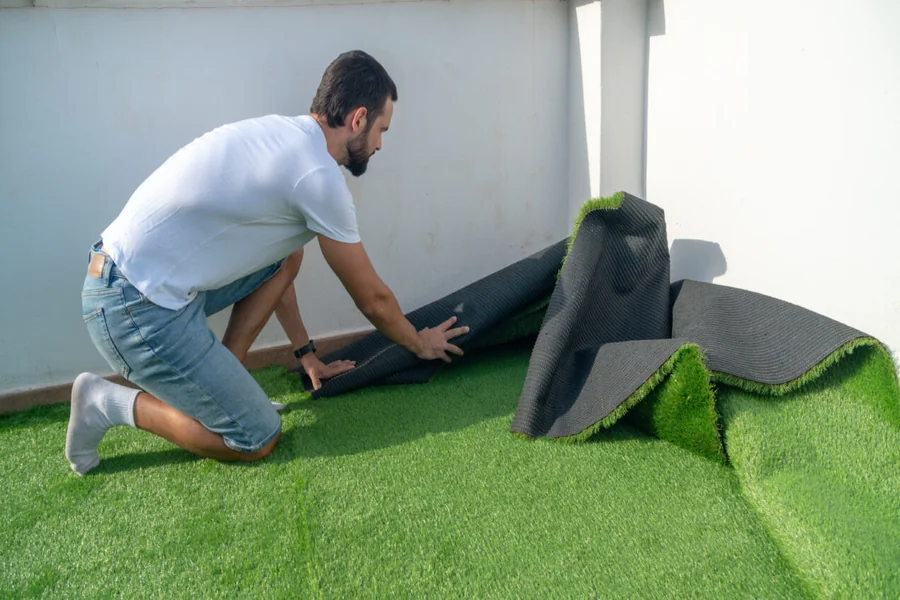
Artificial turf has become a practical option for properties in Las Vegas where water conservation and heat resistance are essential. The region’s dry climate and strict water usage considerations make synthetic grass an appealing alternative to natural lawns. However, installation costs can vary based on several specific factors that directly impact the final investment.
Property owners planning turf installation in Las Vegas should understand how site conditions, material choices, and labor requirements affect pricing. A clear breakdown of these elements helps avoid unexpected expenses and supports accurate budgeting before starting the project.
Key Cost Components That Influence Pricing
Site Preparation And Ground Work
Preparing the installation area is one of the most significant cost factors. Existing grass, rocks, and debris must be removed before leveling the surface. Uneven terrain requires grading, which adds labor and equipment expenses. Soil conditions also play a role, as compact or rocky ground needs additional work to create a stable base.
Turf Material Quality
Artificial turf comes in different grades, and pricing varies depending on durability, blade density, and appearance. Higher-quality turf typically includes UV protection and better drainage systems. While initial costs may increase, these features contribute to long-term performance under Las Vegas heat conditions.
Base Installation Requirements
A solid base layer is necessary to support the turf and ensure proper drainage. This layer usually consists of crushed stone or decomposed granite. The depth and quality of the base material affect both durability and cost. Inadequate base preparation can lead to uneven surfaces and future repairs.
Additional Expenses To Consider
Labor And Installation Complexity
Labor costs depend on the size of the area and the complexity of the layout. Projects with curves, slopes, or custom shapes require more time and precision. Skilled installation ensures proper seam alignment and secure edges, which directly impacts the turf’s lifespan.
Drainage Solutions
Efficient drainage is essential to prevent water pooling, especially during occasional rainfall. Additional drainage systems or adjustments to the base layer may be required depending on the property’s layout. These improvements add to the overall installation cost but help maintain long-term usability.
Infill Material Selection
Infill materials are used to support turf blades and improve stability. Options include silica sand and rubber-based infill, each with different cost levels. The choice of infill influences comfort, heat retention, and maintenance needs.
- Silica sand provides structure and weight to keep turf in place
- Rubber infill offers cushioning and improved softness
- Specialized infill may reduce heat absorption
Edging And Finishing Details
Edging materials help secure the turf and define boundaries. Options include metal, plastic, or concrete edging, each with its own cost range. Proper finishing prevents shifting and enhances the overall appearance of the installation.
- Metal edging offers durability and clean lines
- Plastic edging provides a flexible and cost-effective option
- Concrete borders create a permanent and stable edge
Maintenance And Long-Term Costs
Although artificial turf requires less upkeep than natural grass, maintenance expenses still exist. Occasional cleaning, brushing, and infill replacement contribute to ongoing costs. Factoring in these requirements ensures a realistic understanding of long-term investment.
In the middle of planning, evaluating turf installation in Las Vegas with attention to these cost factors allows for better decision-making. Each component plays a role in performance, durability, and overall value.
Tips To Choose Reliable Artificial Turf Installers In Las Vegas
Reliable installers provide detailed site assessments that account for soil condition, grading needs, and layout complexity, along with clear explanations of each installation step. Professional handling of base preparation, drainage setup, seam alignment, and edge securing reduces the risk of uneven surfaces and water buildup, supporting long-term durability and consistent performance under local conditions.
Installing artificial turf in Las Vegas involves more than selecting a surface material. Site preparation, base construction, labor, and finishing details all contribute to the final cost. Understanding these factors provides clarity and helps avoid budget surprises. Careful planning leads to a durable installation that performs well under local climate conditions.
