

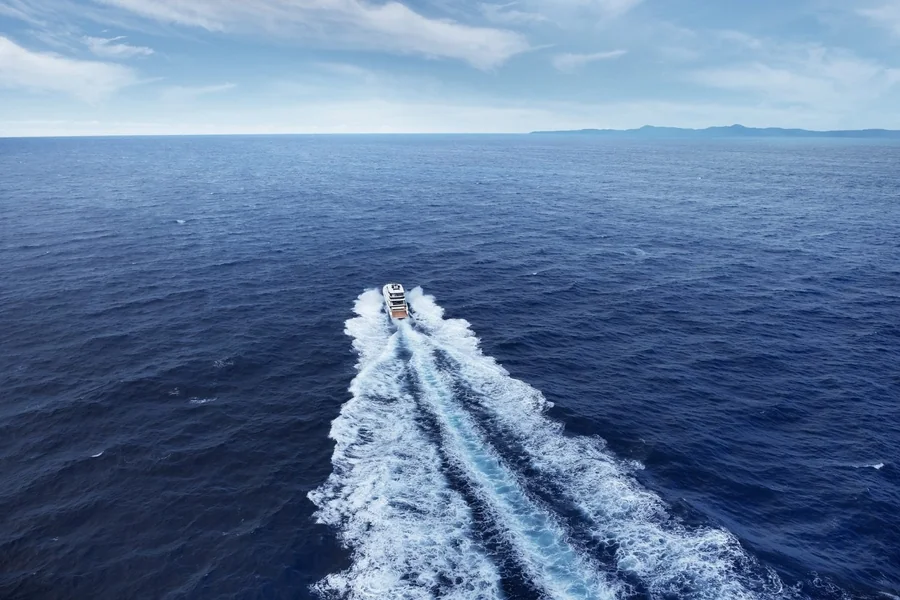
The world of yachting has evolved rapidly over the past decade. What was once viewed as an exclusive pastime limited to seasoned sailors has transformed into an accessible pursuit supported by structured training, standardized certifications, and advanced maritime education. Today’s boating landscape places enormous value on safety, competence, and responsible seamanship, making professional training a cornerstone for anyone looking to step confidently into the maritime world.
Why Comprehensive Yachting Education Matters
Operating a yacht is far more complex than steering a vessel across calm waters. It demands a working understanding of weather systems, tides, docking techniques, onboard equipment, navigation tools, emergency readiness, and even environmental responsibility. Many aspiring boaters underestimate this complexity, only to realize that experience alone is not enough to handle challenging or unexpected situations at sea.
A well-rounded yachting education introduces students to these essential concepts in a structured and progressive way. Trainees learn not just what to do, but why each step matters. From interpreting marine charts to managing a vessel during rough weather, these lessons create boaters who are prepared, aware, and capable of making informed decisions on the water.
Building Confidence Through Professional Instruction
One of the greatest advantages of structured maritime learning is the confidence it instills. Whether someone is entirely new to boating or upgrading their skills, learning under qualified instructors provides reassurance that each technique is being practiced correctly.
This is where the value of professional yachting courses becomes clear. These programs are designed to guide students from foundational knowledge to advanced seamanship in a systematic, supportive environment. Rather than leaving learning to trial and error, students gain clarity, repetition, and real-world application—three elements essential for developing strong instincts on the water.
The Role of a Recognized Training Centre
In the maritime world, credibility matters. Certifications and training completed at respected institutions carry weight not just locally, but across global boating destinations. A reputable RYA-certified training centre offers internationally recognized qualifications, ensuring that students’ skills are acknowledged at marinas, charter companies, and sailing clubs around the world.
RYA standards emphasize practical competence, safety awareness, and responsible boating. Training under this framework helps boaters operate confidently in unfamiliar waters, charter yachts abroad, or progress toward professional maritime roles. The recognition and quality assurance provided by such training centers open doors to new experiences—from coastal cruising to offshore sailing adventures.
Hands-On Training: The Heart of Seamanship
No amount of classroom theory can replace practical time at sea, and effective yachting education places heavy emphasis on hands-on experience. Students learn to maneuver vessels in tight marinas, handle ropes correctly, adjust sails efficiently, and react to changing conditions.
Instructors typically create controlled scenarios that mimic real-world challenges:
- Sudden wind shifts
- Navigating in low visibility
- Emergency man-overboard drills
- Anchoring in variable seabeds
- Approaching crowded harbors
These sessions teach students to stay calm under pressure, sharpen their situational awareness, and develop the ability to anticipate challenges before they escalate.
Technology’s Influence on Modern Training
Yachting technology has advanced dramatically, and training programs have evolved to incorporate these innovations. Navigational software, electronic charts, radar systems, communications equipment, and digital safety tools are now integral to maritime learning. Institutes ensure students understand both traditional methods and the modern tools that complement them.
Simulators also play a growing role in maritime education. They allow trainees to experience challenging sea states or busy port environments without risk. This fusion of digital training and real-world practice accelerates learning and prepares students for a wide range of scenarios.
Training Pathways for Every Level of Yachter
One of the strengths of today’s training ecosystem is its inclusivity. Programs are tailored to suit different levels of experience, ambition, and vessel preferences:
For Beginners
- Basic navigation
- Safety fundamentals
- Introduction to boating terminology
- First steps in boat handling
For Experienced Boaters
- Offshore navigation
- Advanced sail handling
- Engine maintenance
- Night-time operations
For Future Professionals
- Yachtmaster preparation
- Crew leadership
- Long-distance passage planning
- Industry-specific safety modules
These pathways support long-term progression, allowing individuals to continuously refine and expand their maritime competence.
Instilling a Culture of Safety and Stewardship
Beyond technical instruction, yachting education plays an important role in shaping responsible maritime behavior. Boaters must understand that their actions influence marine life, fellow sailors, and coastal communities. Training institutes bring this perspective into their teaching, emphasizing:
- Eco-friendly boating practices
- Respect for marine regulations
- Proper waste management
- Awareness of restricted or protected zones
By nurturing a culture of stewardship, training programs help ensure that the marine environment remains vibrant and accessible for generations to come.
A Gateway to Lifelong Maritime Enjoyment
For many, the first formal step into yachting becomes the beginning of a lifelong passion. Education not only builds competence—it fuels curiosity, confidence, and the freedom to explore new horizons. Whether someone aspires to weekend cruising, long-distance adventures, or professional maritime service, training institutions provide the foundation for a rewarding and safe journey at sea.
Conclusion
The rise of structured yachting education has transformed the boating landscape, making the sport more accessible, safer, and more enjoyable than ever. With well-designed courses, experienced instructors, and internationally recognized certifications, modern training institutes empower individuals to navigate the waters with skill and confidence. As more people discover the joy of life at sea, the role of quality maritime education becomes increasingly essential—ensuring every journey is guided by competence, awareness, and respect for the ocean.
