

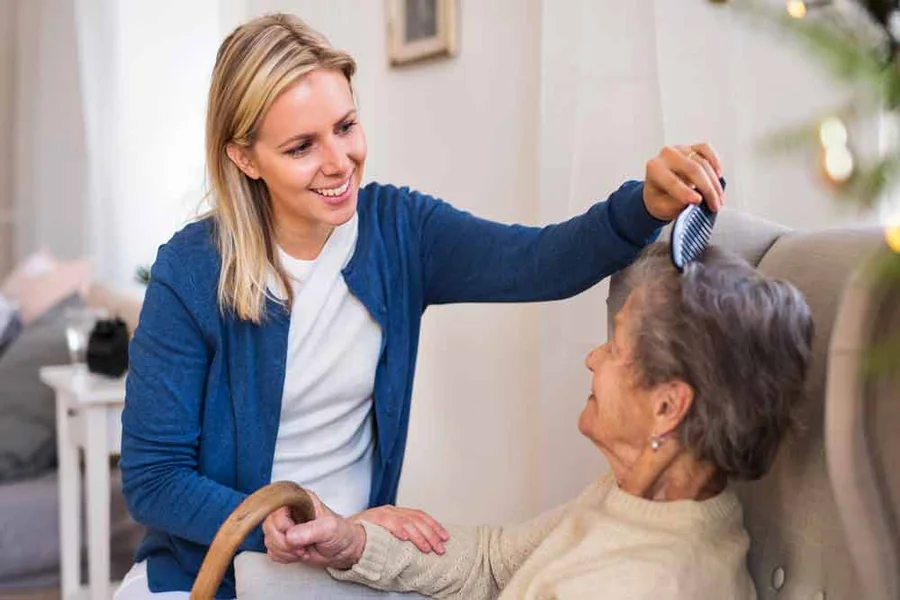
Caring for older adults often brings emotional rewards, but it can also present significant challenges. Many families struggle to balance daily responsibilities with the needs of aging loved ones. In-home care offers a practical solution by delivering support directly to seniors in their residences. This approach provides comfort, preserves independence, and supports family caregivers.
Personalized Attention and Companionship
Aging with in-home care enables seniors to have one-on-one care. Caregivers can personalize their approach according to certain preferences and health needs. That individual focus builds trust and makes seniors feel that they are valued human beings. Having someone there consistently also cuts down on loneliness. Pleasantries and gestures of engagement, along with some support activity, make life easier and happier and keep them mentally and emotionally engaged.
Maintaining Daily Routines
In-home care in Egg Harbor Township helps maintain some level of emotional stability, as seniors are able to continue with familiar routines when staying home. Engaging in meals, leisure activities, and pursuits in a familiar environment can significantly reduce anxiety. In-home helpers take care of cooking, personal hygiene, and reminders to take medications. It allows older adults to go about their day-to-day lives comfortably and confidently in their abilities to do so.
Safety and Health Monitoring
For those with senior family members, safety is a big issue. In-home care workers also examine areas to reduce the chance of incidents like falls or other accidents. They assist with medication schedules and monitor changes in behavior or health issues. Detection of concerns can aid in alleviating the issues before they worsen. Regular monitoring helps provide peace of mind for the elderly and their family members.
Support for Family Caregivers
Family caregivers have emotional and physical demands placed on them when providing care. In-home care professionals alleviate some of the burden by assisting families with daily tasks. It frees up time for families to rest, work, and attend to other obligations. With professional help at home, family members can have a more positive outlook and meaning related to their loved and cared-for ones without full-time responsibility.
Customized Care Plans
When it comes to the needs of an older adult, there is no universal solution. In-home care services create flexible plans that accommodate changing needs. Some seniors need rides or simply companionship, while others require help bathing or dressing. Modifying services over time makes care plans relevant. Customization enables each individual to receive the necessary attention without excessive interference.
Encouraging Independence
As people age, the fear of losing autonomy is common. In-home care promotes independence by allowing older adults to make daily decisions. Caregivers assist without depriving them of their power of choice. Seniors choose their schedules, meals, and activities with soft nudges when appropriate. It cultivates self-esteem and contentment in the individual.
Emotional and Social Well-Being
Being able to socialize is one of the important factors that keeps your happiness alive and helps your brain stay healthy as you age. In-home care staff keep them talking, play games, and get them involved with hobbies. These activities engage the mind and can be uplifting for the soul. Frequent contact may alleviate depression or loneliness, which reinforces a more upbeat sense of life.
Facilitating Recovery and Rehabilitation
Older adults recovering from an illness or surgery often require additional support. The ability to recuperate at home in a familiar environment is crucial. Caregivers help with exercises, medication, and day-to-day activities that aid speedy recovery. A hospital-free path of care to recovery reduces the chances of complications and readmission, which leaves seniors free to be with family and focus on healing.
Cost-Effective Alternative
When comparing care, in-home services typically cost less than institutional care. This approach enables families to choose the type of support that best fits their budget and needs. They reduce the financial burden by preventing unwanted hospitalizations or extended term care. This adaptability allows even more households to utilize in-home care.
Peace of Mind for Everyone
Nothing reassures families more than knowing that a loved one is safe, stable, and surrounded by support. In-home healthcare workers also speak with relatives on a regular basis, updating them and answering questions. That ongoing connection fosters trust and reduces anxiety. The absence of caregiving responsibilities makes visiting with family less taxing.
Conclusion
The in-home care of older adults involves more than just providing assistance; it also respects their dignity, promotes independence, and strengthens family bonds. It brings peace of mind to families and comfort and companionship to seniors. In-home care provides a more sensitive and flexible means of assisting loved ones as they grow older from the comfort of their residence.
