

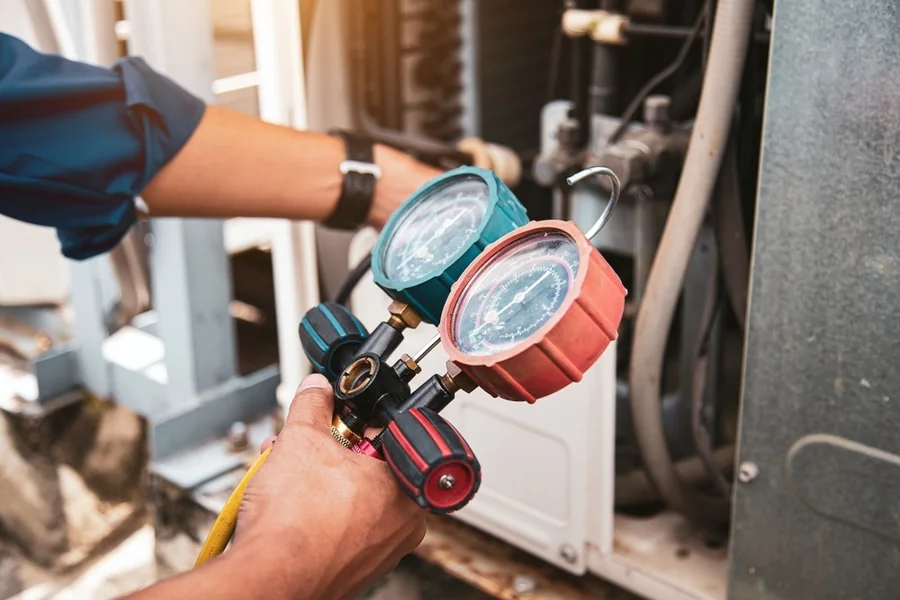
Most HVAC systems do not fail without warning. They usually decline through small changes that seem easy to ignore, such as longer run times, weaker airflow, uneven cooling, rising utility bills, or unusual sounds during startup. Preventive maintenance matters because it addresses those warning signs before they grow into repair calls, comfort complaints, or full system breakdowns. A qualified HVAC contractor looks beyond whether the unit simply turns on and off. The real goal is to keep heating and cooling equipment operating cleanly, safely, and efficiently through each season. That steady attention protects performance, reduces strain, and helps homeowners avoid expensive surprises when temperatures become hardest to manage.
What preventive care protects
-
Small Issues Become Expensive When They Are Ignored
Preventive maintenance is important because HVAC systems wear down in quiet ways long before a major failure appears. Dust collects on coils, drain lines begin to slow, electrical connections loosen, moving parts lose efficiency, and filters restrict airflow more than many homeowners realize. None of those issues may seem urgent on a given day, yet together they force the system to work harder to deliver the same indoor comfort. A qualified HVAC contractor knows how to spot these early signs and correct them before they spread strain across the equipment. That includes checking airflow, inspecting electrical components, cleaning critical surfaces, confirming safe operation, and identifying parts that are beginning to weaken under repeated use. Service providers handling homes like those described at https://atticmanhvac.com/rancho-cordova-hvac/ often find that routine care prevents many recurring comfort problems homeowners assume are simply normal with age. In reality, neglect often shortens equipment life faster than time alone. Preventive maintenance works because it interrupts that cycle early, before a minor issue becomes a repair that affects cost, comfort, and system reliability.
-
Regular Service Helps the System Run With Less Strain
A qualified HVAC contractor does more than perform a quick visual check during preventive maintenance. The visit is meant to evaluate how the system is actually performing under normal demand and whether hidden inefficiencies are building inside the equipment. When airflow drops, the refrigerant balance shifts, ignition parts struggle, or blower performance weakens, the system may still appear functional while using more energy and delivering less stable comfort. That is where routine maintenance becomes valuable. By testing, cleaning, tightening, adjusting, and monitoring key components, the contractor helps the unit operate with less resistance and more consistency. Lower strain matters because heating and cooling systems depend on coordination between multiple parts, not just one working motor or thermostat. If one section begins operating poorly, the rest of the system often compensates until broader wear develops. Preventive maintenance helps stop that chain reaction. It can reduce short cycling, weak airflow, drainage issues, temperature swings, and the gradual rise in monthly operating costs that many homeowners notice only after the season is well underway. Consistent service supports smoother operation, which often means fewer interruptions and fewer sudden repair needs.
-
Qualified Contractors Bring More Than Basic Cleaning
The value of preventive maintenance also depends on who performs it. A qualified HVAC contractor brings experience with system behavior, safety checks, installation standards, and performance patterns that are not always obvious to the homeowner. Preventive care is not just about changing filters or clearing visible dust. It involves recognizing when a capacitor is beginning to weaken, when a burner flame pattern suggests a deeper issue, when condensate flow indicates developing blockage, or when airflow readings reveal a hidden duct or blower problem. Those details matter because many HVAC problems overlap. A homeowner may notice one symptom, but the real cause may be elsewhere in the system. Routine visits from a trained contractor provide an opportunity to catch those connections before the equipment loses efficiency or shuts down. Qualified maintenance also helps homeowners plan. Instead of reacting to failure during the hottest or coldest part of the year, they gain a clearer sense of what the system needs now, what may need attention later, and how to avoid preventable downtime. That knowledge turns maintenance into a practical long-term strategy rather than a seasonal chore.
Routine Care Supports Comfort and Control
Preventive maintenance from a qualified HVAC contractor matters because it protects more than machinery. It protects comfort, energy control, seasonal reliability, and the homeowner’s ability to avoid expensive disruptions. HVAC systems perform more consistently when dirt, wear, loose connections, drainage issues, and airflow problems are handled before they spread. Regular service also gives homeowners a clearer picture of the system’s condition, allowing them to make informed decisions rather than waiting for a breakdown to force the issue. Heating and cooling equipment works hardest when the weather is most demanding, which is exactly when neglected systems are most likely to fail. Preventive care lowers that risk by keeping performance steady and problems manageable over time.
