

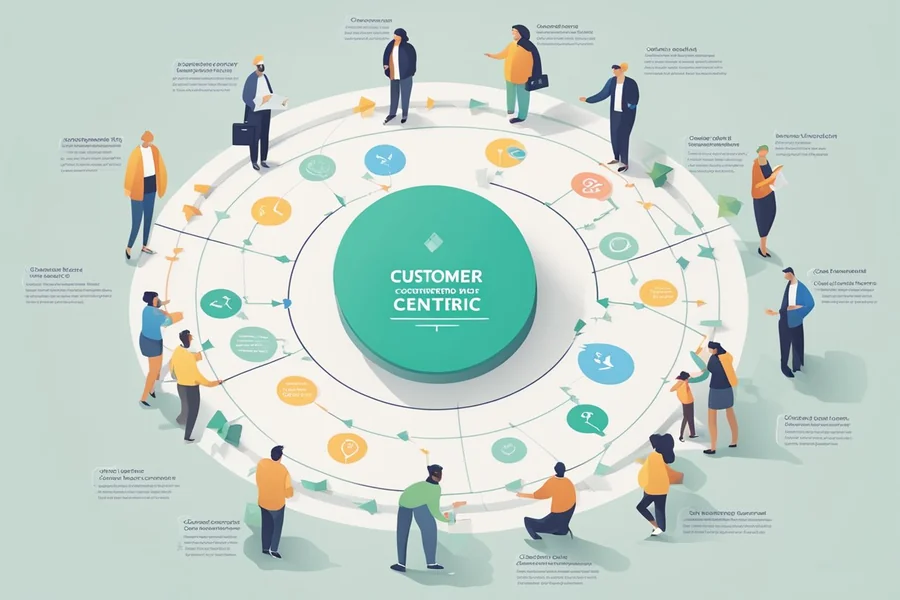
Modern customers expect more than speed. They expect consistency, empathy, and clarity at every point of interaction. As organizations grow, delivering that experience becomes harder, not because teams lack effort, but because complexity multiplies quietly. Systems expand, data fragments, and processes that once felt manageable begin to feel reactive. A customer-first organization is not defined by louder promises but by quieter reliability embedded into daily operations.
At the heart of this shift is the realization that customer experience is shaped long before a conversation begins. It is influenced by how information moves internally, how quickly issues are resolved, and how confidently employees can act. When workflows are fragile, even the most well-intentioned teams struggle to keep up. Building calm into operations means designing systems that support people rather than constantly demanding their attention.
Many organizations have responded by layering technology onto existing processes, hoping incremental tools will solve structural strain. While this can help in the short term, it often creates new handoffs and dependencies. A more sustainable approach looks at automation as an operational philosophy rather than a collection of shortcuts. In this context, AI automation becomes a way to reduce friction across the entire customer journey, not just speed up isolated tasks.
From Reactive Workflows to Intentional Design
Customer-centric businesses design their operations with intention. Instead of reacting to volume spikes or service issues, they anticipate patterns and build resilience into workflows. This requires visibility across departments and systems that can adapt as conditions change. When processes are rigid, teams compensate with manual workarounds that increase risk and fatigue.
Intentional design starts by identifying moments that matter most to customers, such as onboarding, issue resolution, or order fulfillment. These moments often rely on multiple internal steps that must align perfectly. Automating with awareness of these dependencies allows organizations to maintain quality even as demand grows. The result is not just efficiency but confidence in delivery.
Empowering Teams Through Operational Clarity
A customer-first mindset also depends on empowered employees. When staff spend their time chasing information or correcting errors, their ability to serve customers meaningfully declines. Clear processes supported by intelligent systems free teams to focus on judgment, communication, and relationship building.
Operational clarity comes from systems that surface the right information at the right time. Instead of forcing employees to navigate multiple tools, well-designed automation orchestrates actions behind the scenes. This reduces cognitive load and shortens response times without sacrificing accuracy. Over time, teams develop trust in their workflows, which directly translates into better customer interactions.
Scaling Personalization Without Losing Control
Personalized experiences are no longer optional, but scaling them is challenging. As customer bases grow, maintaining a tailored approach can strain resources and introduce inconsistencies. Automation helps standardize the foundation while allowing flexibility at the edges where human judgment matters most.
By coordinating data flows and decision logic, organizations can respond to individual needs without reinventing processes each time. This balance between structure and adaptability is essential for sustainable growth. It ensures that personalization does not become a source of operational chaos.
Building Trust Through Consistent Outcomes
Trust is built through repeated, predictable outcomes. Customers may forgive occasional delays, but they quickly lose confidence when experiences feel random or disjointed. Consistency requires more than good intentions; it requires systems that behave reliably under pressure.
Automation supports this by reducing variability in routine tasks. When repetitive steps are handled consistently, exceptions become easier to identify and resolve. Over time, this creates a feedback loop where operations continuously improve based on real performance data, reinforcing a culture of accountability and care.
Aligning Technology With Customer Values
Technology choices reflect organizational values. A customer-first company evaluates tools not only on cost or speed but on how they support long-term relationships. Automation should enhance transparency, fairness, and responsiveness, not obscure decision-making or distance teams from customers.
As organizations mature, they increasingly look for platforms that integrate intelligence with governance to ensure automated decisions remain aligned with business rules and ethical standards. In this way, AI automation that handles complex unstructured work enables responsible scale by supporting reliable growth rather than unchecked acceleration.
Preparing for Change Without Disruption
Markets evolve, regulations shift, and customer expectations rise. Organizations that thrive are those that can adapt without constant disruption. Flexible automation frameworks allow processes to change without starting from scratch, preserving continuity for both employees and customers.
Preparation is not about predicting every scenario but about building systems that can absorb change gracefully. When updates are seamless, customers experience stability even as the organization evolves behind the scenes.
A Quieter Path to Customer Loyalty
Customer loyalty is often won through small, consistent moments rather than dramatic gestures. Smooth handoffs, timely updates, and accurate resolutions create a sense of ease that customers remember. Operational excellence makes these moments repeatable.
By embedding intelligence into workflows and designing with empathy, organizations create environments where both customers and employees feel supported. The result is a quieter, more durable form of loyalty built on trust, clarity, and respect.
