

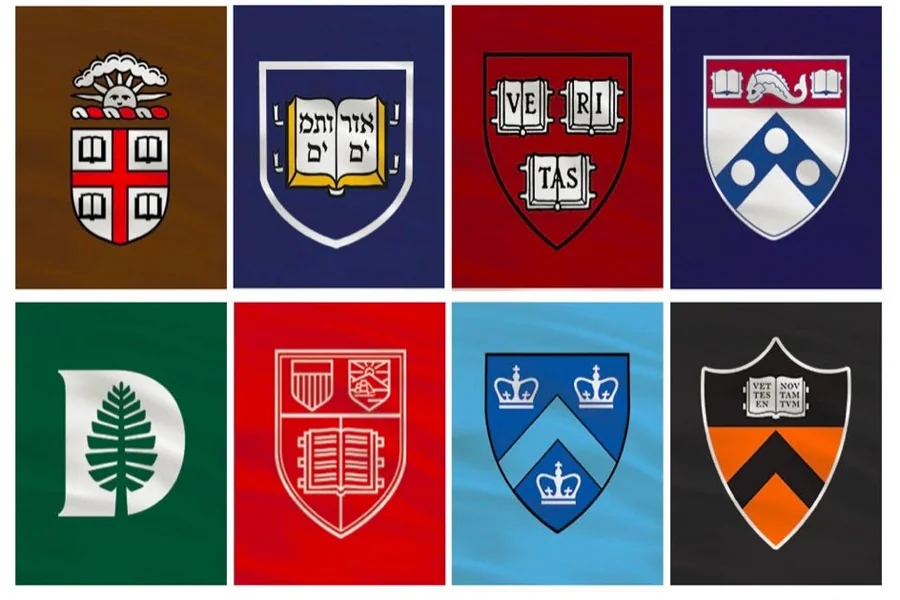
Many applicants believe their personal essay is the most important part of an Ivy League application. While essays do matter, the reality is that a large percentage of rejections occur before admissions officers ever reach that stage. In 2026, understanding how applications are initially screened is critical for anyone aiming to stand out in an extremely competitive pool.
The Initial Academic Screening
The first stage of review focuses heavily on academics. Admissions committees quickly assess whether an applicant meets baseline academic expectations. This includes GPA trends, course rigor relative to the high school’s offerings, and overall academic consistency. Applications that fall short of these criteria are often filtered out early, regardless of essay quality.
Context Matters More Than Perfection
Strong grades alone are not enough. Admissions officers evaluate academic performance in context, which is why focusing on the easiest Ivy League school to get into often misses how decisions are actually made. Factors such as school resources, curriculum difficulty, access to advanced courses, and academic growth over time carry far more weight. Students who fail to demonstrate intellectual challenge or ambition may be eliminated during this early review phase.
Extracurricular Red Flags
Before essays are read, committees also scan extracurricular involvement for depth and direction. Long lists of activities without leadership, impact, or sustained commitment can signal a lack of focus. Applications that appear scattered or purely résumé-driven are less likely to move forward.
Institutional Fit and Class Balance
Admissions decisions are not made in isolation. Committees assess how each applicant fits into the broader class they are building. Factors such as intended major, background, interests, and potential contribution to campus culture all influence early screening. Even strong candidates may be set aside if they do not align with institutional priorities.
Why the Essay Comes Later
Personal essays are typically reviewed after an application passes initial academic and profile checks. Essays help differentiate strong candidates from one another, but they rarely compensate for weaknesses identified earlier in the process. This is why many rejections occur before the essay is even read.
Conclusion
In 2026, Ivy League admissions are shaped long before personal stories enter the picture. Applicants who focus only on crafting compelling essays often overlook the importance of academic rigor, consistency, and clear direction. Understanding how early screening works allows students to build stronger applications that survive the first—and most critical—round of review.
