

Sports Equipment in Spanish and Its Importance
Sports equipment is a necessary vocabulary of every person who studies the language and is interested in sport. Using the right terms aids in conveying in a sporting setting and comprehending commands. It will also enable the learners to read the articles on sports, watch the broadcasts and engage in discussions about the physical activities. Sports equipment vocabulary encompasses videos related to balls, as well as protective, sports equipment such as in soccer, basketball, tennis, and swimming, just to name a few. Studying such terms enhances language as well as cultural knowledge.
Sports Gear in Spanish.
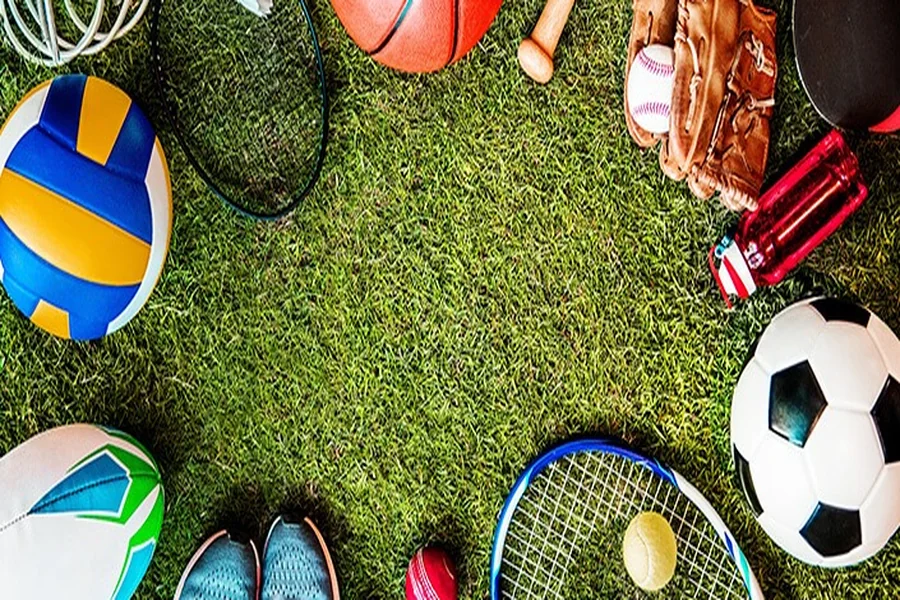
There are numerous games with very simple equipment that all individuals are expected to be familiar with. The ball in soccer is referred to as balon de futbol and the cleats are referred to as botas de futbol. In basketball, it is the balon de baloncesto, and it are the zaptillas de baloncesto. Raqueta de tenis and pelota de tenis are terms used by tennis players to refer to the racket and the ball respectively. Swimming gear requires goggles and cap gafas de natacion and gorra de natacion respectively. These are the basic items one should know in order to begin developing an extensive vocabulary of sports terms in Spanish.
Personal Protection Equipment and Supplies.
Protective equipment and safety of sports are also significant and have some Spanish names. The helmets are called casco, the shin guards are called espinilleras and the knee pads are called rodilleras. Sports such as boxing or soccer have gloves commonly referred to as guantes. The mouthguards are bucal. These words can be used by the athletes, coaches, and parents to talk about safety precautions in Spanish. There are also terms related to accessories like water bottles, bags and towels that have the vocabulary of botella de agua, bolsa de deporte and toalla, which can be applied during practice and training.
Sports equipment indoor and outdoors.
Learning of the environment, different sports need equipment. The equipment of indoor sporting events like volleyball, badminton, and basketball, includes such items as red de voleibol in the volleyball net, volante in the shuttlecock, and tablero de baloncesto in the basketball backboard. Sports outdoor are soccer, golf, and cycling. The clubs and the ball used in golf are required to be called palos de golf and pelota de golf respectively. The bike is referred to as bicicleta and the helmet is referred to as casco de ciclismo. The identification of equipment in various settings assists the learners in speaking correctly in Spanish.
Sports Equipment Vocabulary Learning.
Practical techniques can be used to learn sports equipment in the Spanish language. Pictures and words in flash cards assist in memorizing things within a short period. It is possible to label equipment at home or in a gym so that the exposure is constant. Vocabulary is also strengthened by watching sports broadcasts in Spanish. It is better to train with friends or educators in the real-sport environment to reinforce a better understanding. Integration of reading, listening, and speaking will provide the entire learning process. Use of terms such as balon, raqueta and casco that are repeated and actively used, make vocabulary come naturally and are easily remembered.
Spanish Culture Sports Equipment.
The sports are significant in the Spanish speaking nations. The most popular sport is soccer or futzball and thus the words such as balon de futzball are quite well known. Other popular sports in such countries as Spain, Mexico, and Argentina are tennis, basketball, and baseball. Being able to know sports equipment in the Spanish language enables learners to identify with the local culture and participate in activities. It also assists in interpreting sports magazines, news and commentary. It is appropriate to use the right words to demonstrate a sense of respect to the sport and enhance interaction between sport participants and spectators.
Final Thought
Sports equipment in Spanish is a wonderful and useful vocabulary group of Spanish learners. Balls and rackets, safety equipment and accessories, it is clear that the knowledge of the terms will help to improve communication in the sport and real-life. These words can be learned to train, socialize, and learn sports culture in Spanish-speaking nations. Using a combination of methods of study and practical life application, it is guaranteed that sports equipment vocabulary is acquired as natural. By learning these terms, the learners will be able to play sports to their full potential and at the same time enhance their Spanish skills.
