

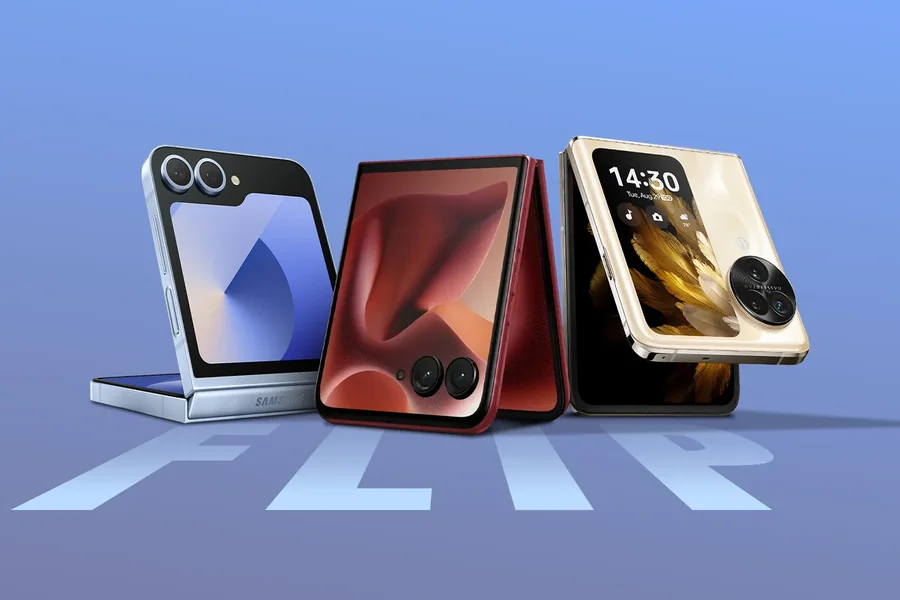
The subject of Flip Phones vs Smartphones is one that is being considered by many people today. Cell phones are no longer used as calling devices. They define the way individuals work learn relax and associate. Older devices are easy to use and this is missed by some users. Some others are dependent on the modernity in an hour. Still, there are flip phones and smartphones. Both serve real needs.
The flip phones are a reminiscence of the days gone by. They open and close. They focus on calls and texts. Smartphones serve as mini computers. They carry cameras and internet connection. The difference between them gives two totally different experiences.
When making a choice between them, it is not the question of which one is superior in general. It is on what suits the life of a person. Knowing the differences will make people make confident choices.
The Core Difference Between Flip Phones vs Smartphones
The first difference between Flip Phones vs Smartphones is in their purpose. Flip phones are made with simple communication. They support calls. They support texts. Others have basic applications such as calendars or alarms.
Smartphones are designed as one gadgets. They support social media. They support video calls. They facilitate navigation learning, learning on shopping and entertainment. They unite the digital world with users at any given time.
Everything is influenced by this disparity. It shapes price. It shapes design. It defines the emotions of the people whenever they use the device.
Flip phones have a tendency to be lighter. They feel less demanding. Smartphones are usually powerful. They are full of possibilities.
Neither is wrong. They just provide various experiences.
Design and Daily Experience
The Flip Phones and Smartphones are also different in terms of the feel to use. Physical buttons frequently occur in flip phones. They open and close. This movement provides the impression of movement. Some users enjoy it. It feels deliberate.
The smaller screen is restrictive to the appearance. Messages are short. Menus are simple. Distraction is reduced.
There are huge touch screen smartphones. They react to swipes and taps. They display rich visuals. The view is full of photos videos and apps.
Such a design promotes extended use. It invites exploration. It also demands attention.
In our day to day life flip phones become background noise. Smartphones tend to come into focus. They sit on desks. They light up pockets. They interrupt silence.
The way one prefers his/her phone to feel is a factor when making the choice.
Cost and Long Term Value
The Flip Phones and Smartphones are also different in terms of cost. Simple flip phones tend to be cheaper when bought. Their parts are simpler. Their screens are smaller. Their systems are lighter.
Smartphones range widely. There are low-cost models of the budget. Top of the market models can be costly. Their features raise price.
Long term value also matters. Flip phones come with lower priced service plans. They use little data. This has the ability to minimize monthly costs.
Data plans might be in demand on Smartphones. Browsing and streaming are dependent on them. Such plans are cost-increasing.
However, smartphones also substitute other gadgets. They act as cameras. They act as music players. They act as navigation tools. This would help to save funds in other areas.
Value is not only price. It is what the phone enables. Some users value savings. Others value capability.
Lifestyle and Focus
Flip Phones vs Smartphones have a great influence on lifestyle. Flip phones accommodate a slower rate of digital. They reduce screen time. They limit online access. Numerous users say that they are more present.
Smart phones facilitate being always connected. They allow instant response. They enable multitasking. They are also prone to frequent checking.
Such a disparity impacts concentration. There are less interruptions among flip phone users. Users of Smartphone deal with numerous alerts.
Relationships can also experience a difference. Since people always seem to focus on those around them, there is a tendency to use flip phones. Smart phone attention is usually divided between the space and the screen.
Flip phones are used by some of the users as a way of restoring balance. Others opt to use smartphones so as to be active. Both choices reflect values.
Work Learning and Creativity
Flip Phones and Smartphones are very different in terms of professional and learning applications. Flip phones are used to manage simple messages and calls. They do not suit the digital work of today.
Smartphones support emails. They are in favor of document access. They support video meetings. They support learning apps. To most everyone they are necessities.
Smartphones have become a source of research and communication among the students. They are used in coordinating and planning by the workers. They are used by creators with photos and video.
Flip phones can also be appropriate to people whose job does not involve having constant access to the digital world. Smartphones are apt to people whose jobs rely on it.
Realizing what one does daily will make the decision easier.
Battery Life and Reliability
Flip Phones and Smartphones also vary in durability. The flip phones have better battery life. Their screens are smaller. Their software is lighter. This saves power.
Some flip phones last days. This is appropriate in case of travel and emergency. It reduces worry.
Smartphones use more energy. Big screens and applications are power hungry. Larger batteries are used but they become depleted easily.
Reliability also differs. The flip phones tend to be simpler. Less applications come out to reduced crashes. Smart phones are powerful and complex. They need updates. They manage many processes.
There are users who appreciate the reliability of flip phones. Some people take the smartphone demands to their advantage.
Read More: What Is Cellular Technology Simple Guide for Everyday Users
Choosing What Fits You Best
The decision on which to go with Flip Phones or Smartphones is a matter of necessity and routine. There is no universal best.
An individual that likes talking and being quiet might enjoy using a flip phone. An individual seeking connectedness and functionality will like a smartphone.
Budget matters. Work matters. Health matters. Values matter.
Some even use both. A flip phone for daily life. A mobile phone to perform special tasks.
The ethical decision will be that which will help one to live the life that they are desiring.
Frequently Asked Questions About Flip Phones vs Smartphones
What is the main difference in Flip Phones vs Smartphones
The main difference is function. Flip phones focus on calls and texts. Smartphones offer full digital features.
Are flip phones better for focus
Many people find flip phones reduce distraction and support presence.
Are smartphones necessary today
For many modern tasks yes. They support work learning and services that flip phones cannot.
Which is cheaper between Flip Phones vs Smartphones
Basic flip phones are often cheaper. Smartphones range from budget to premium.
Do flip phones have longer battery life
Often yes. Their simpler design uses less power.
Can smartphones replace other devices
Yes they often replace cameras music players and navigation tools.
How should someone choose between Flip Phones vs Smartphones
They should consider daily needs budget and how much digital access they want.
