

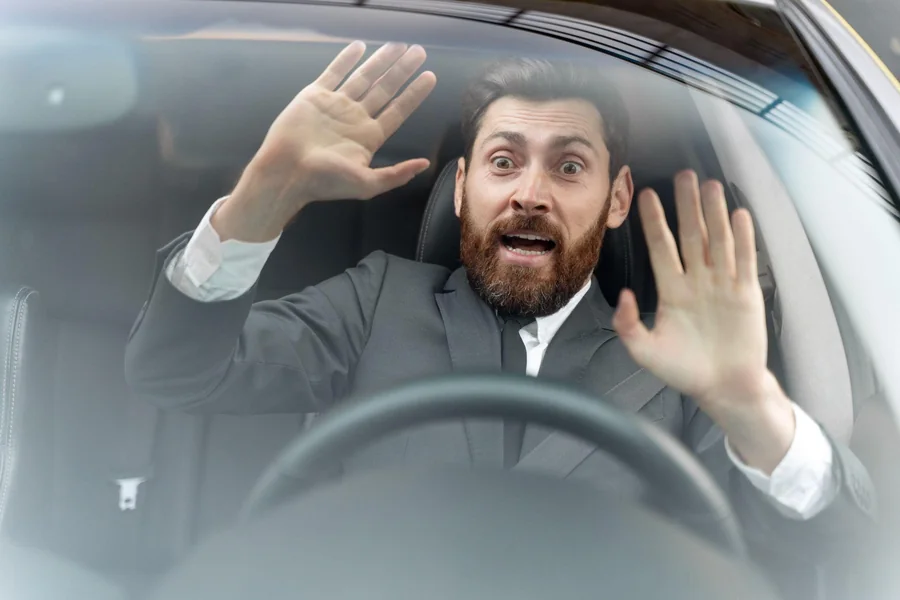
Road safety continues to be a major concern worldwide, and despite advancements in vehicle technology, human error remains the leading cause of most traffic accidents. While modern cars are equipped with features like lane assist, automatic braking, and even response software designed to monitor driver behavior, the reality is that a single poor decision or delayed reaction can result in serious consequences.
Understanding the most common driver errors is the first step toward prevention. From distractions to misjudging speed, these mistakes often stem from limitations in human perception and driver response time. Below, we explore the most frequent driver errors that lead to accidents and how they impact safety on the road.
1. Distracted Driving
Distracted driving is one of the most common and dangerous errors. It includes texting, talking on the phone, eating, adjusting the radio, or even interacting with in-car systems.
Even a brief distraction can significantly affect driver response time. For example, looking away from the road for just two seconds at highway speeds means traveling a considerable distance blindly. Although some vehicles now integrate response software to detect distraction or issue alerts, many drivers still underestimate the risks.
2. Speeding
Driving above the speed limit reduces the time available to react to unexpected situations. Higher speeds increase stopping distance and make collisions more severe.
Speeding also amplifies the impact of delayed driver response time. If a driver takes even an extra second to react, the distance covered at high speed can be the difference between avoiding a crash and causing one.
3. Tailgating (Following Too Closely)
Tailgating leaves little room for error. If the vehicle ahead stops suddenly, the following driver may not have enough time to react.
This behavior directly conflicts with safe driving principles that account for driver response time. Even with advanced braking systems and response software, insufficient following distance makes collisions almost unavoidable.
4. Failure to Signal or Late Signaling
Turn signals are essential for communication between drivers. Failing to signal, or signaling too late, creates confusion and increases the likelihood of accidents.
Late signaling often gives other drivers less than a second to react, which is far below the average driver response time of 1.5 to 2.5 seconds. This mismatch highlights how poor signaling habits contribute to collisions.
5. Running Red Lights and Stop Signs
Ignoring traffic signals is a high-risk behavior that frequently leads to severe accidents, especially at intersections.
Drivers who run lights often rely on last-second decisions, leaving little margin for error. Even the most advanced response software cannot compensate for intentional violations combined with delayed human reactions.
6. Improper Lane Changes
Unsafe lane changes, such as failing to check blind spots or misjudging the speed of other vehicles, are a major cause of highway accidents.
Human perception is limited, and drivers often miscalculate distances and speeds. While some vehicles use response software to detect vehicles in blind spots, drivers still need to make timely decisions within their natural driver response time constraints.
7. Driving Under the Influence
Alcohol and drugs impair judgment, coordination, and reaction time. Even small amounts can significantly increase the likelihood of accidents.
Impairment directly slows driver response time, making it harder to process information and respond to hazards. No level of response software can fully compensate for impaired driving behavior.
8. Fatigue and Drowsy Driving
Driving while tired can be just as dangerous as driving under the influence. Fatigue affects concentration, decision-making, and reaction speed.
In extreme cases, drivers may experience “microsleeps,” where they briefly fall asleep without realizing it. This eliminates driver response time during those moments, making accidents highly likely.
9. Poor Judgment at Intersections
Intersections require quick decision-making and accurate judgment. Misjudging the speed or distance of oncoming traffic is a common mistake.
Drivers often overestimate their ability to make safe turns or crossings. Even with improved visibility and response software, poor judgment combined with limited driver response time can lead to dangerous outcomes.
10. Overconfidence and Aggressive Driving
Aggressive driving behaviors, such as weaving through traffic, sudden braking, or road rage, increase the risk of accidents.
Overconfident drivers tend to ignore safety margins and underestimate the importance of driver response time. They rely on reflexes instead of maintaining safe driving practices, which often leads to preventable crashes.
The Role of Driver Response Time in Accidents
At the core of many driving errors is driver response time, the time it takes for a driver to perceive a hazard, decide on a response, and act on it. On average, this process takes between 1.5 and 2.5 seconds under normal conditions.
However, factors like fatigue, distraction, and stress can increase this time significantly. When combined with high speeds or complex road conditions, even a slight delay can result in an accident.
Understanding this limitation is crucial. Safe driving isn’t just about skill; it’s about allowing enough time and space for human reaction.
How Response Software Is Changing Driving Safety
Modern vehicles are increasingly equipped with response software designed to reduce human error. These systems include:
- Collision warning alerts
- Automatic emergency braking
- Lane departure warnings
- Driver monitoring systems
This technology helps bridge the gap between human limitations and real-world driving demands. For example, if a driver fails to react in time, the system can intervene to prevent or reduce the severity of a crash.
However, it’s important to remember that response software is a support tool, not a replacement for attentive driving. Drivers must remain engaged and responsible.
Bridging the Gap Between Humans and Technology
While technology continues to evolve, the human element remains central to road safety. Most accidents occur not because of a lack of tools, but because of poor decisions, delayed reactions, or risky behavior.
To reduce accidents, drivers should:
- Maintain safe following distances
- Avoid distractions at all times
- Follow speed limits
- Use signals early and clearly
- Stay alert and well-rested
- Rely on technology as assistance, not a substitute
By aligning driving behavior with the realities of driver response time and leveraging response software effectively, drivers can significantly improve safety.
Final Thoughts
Driver errors are often simple but carry serious consequences. Whether it’s a momentary distraction or a delayed reaction, these mistakes can quickly escalate into dangerous situations.
The key to safer roads lies in awareness, discipline, and smarter use of technology. Recognizing the limits of human perception and reaction, and adjusting driving habits accordingly, can make a meaningful difference.
In the end, safer driving isn’t just about following rules. It’s about understanding how we think, react, and interact with the road, and making better choices every time we get behind the wheel.
