

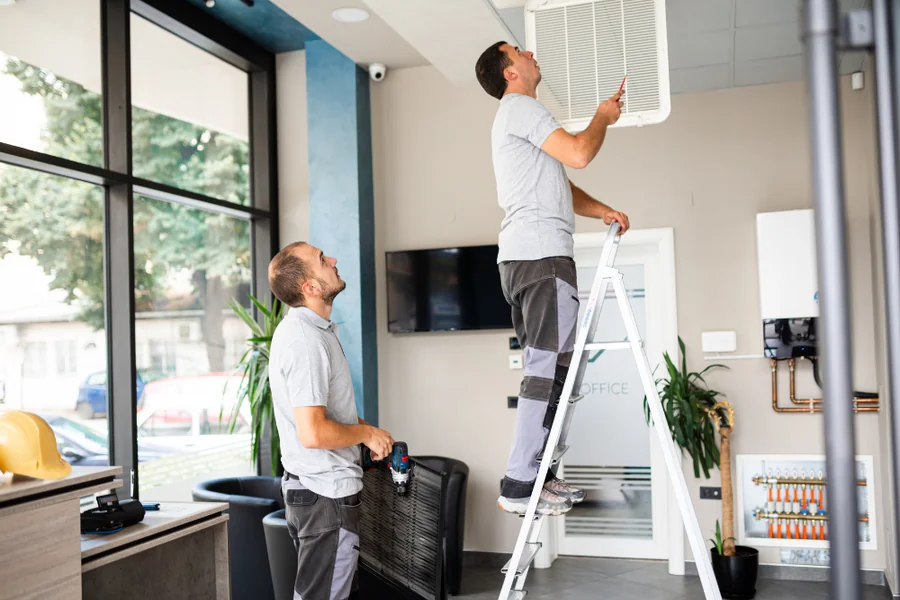
A building maintenance plan is essential for any property manager, especially professionals involved in property management Tasmania, where staying ahead of repairs can protect both tenant satisfaction and long-term property value. Without one, you’re constantly reacting to expensive, avoidable problems like burst pipes or failed HVAC units, leading to frustrated tenants and a deteriorating asset. This guide will show you how to create a comprehensive plan that covers everything from essential systems and compliance to budgeting, helping you shift from reactive fixes to proactive care.
Essential Building Systems: The Core of Any Maintenance Plan
The mechanical and electrical systems inside a building are its lifeblood. When they fail, everything else falls apart. A solid maintenance plan starts with a thorough, scheduled inspection of each system.
HVAC
Heating, ventilation, and air conditioning systems are among the most expensive to repair and replace. Regular filter changes, coil cleaning, duct inspections, and refrigerant checks keep units running efficiently and extend their lifespan. Quarterly inspections are the standard for commercial properties, with monthly filter checks in high-use environments.
Plumbing
Plumbing maintenance is often overlooked until a visible problem arises. Annual inspections should cover water heaters, supply lines, drainage systems, and fixtures. In older buildings, pipe corrosion and pressure issues deserve extra attention. Catching a minor leak early can prevent significant structural water damage down the road.
Electrical Systems
Electrical issues are a serious safety concern and a major liability. Scheduling routine inspections with a qualified commercial electrician in Michigan ensures that panels, wiring, outlets, and circuit breakers are functioning safely and up to code. This is especially important in buildings with aging infrastructure, where outdated wiring can pose fire risks that aren’t immediately visible.
Life Safety Equipment
Smoke detectors, fire suppression systems, emergency lighting, and exit signage all need to be tested and serviced regularly. Most jurisdictions require annual inspections by certified professionals, and documentation of these inspections is critical for both compliance and insurance purposes.
A thorough building maintenance plan must also account for local environmental factors that accelerate the wear and tear of critical infrastructure. In regions like West Palm Beach, FL, the combination of high humidity and salt air can significantly impact the longevity of HVAC systems and exterior structural elements. Property managers should adjust their inspection frequencies to address these localized challenges, ensuring that preventative measures are robust enough to withstand seasonal shifts. By integrating regional climate data into your predictive maintenance schedule, you can more accurately forecast repair costs and prevent minor environmental damage from escalating into major operational failures. This proactive approach ultimately stabilizes the building’s long-term budget while maintaining a high standard of tenant comfort and safety.
Exterior and Structural Integrity
The inside of a building gets most of the attention, but the exterior takes a beating from weather, traffic, and time. Neglecting it creates both safety hazards and costly repair bills.
Roofing
Roof maintenance is one of the highest-value investments a property manager can make. A minor repair that costs a few hundred dollars today can prevent a full roof replacement that runs into the tens of thousands. Inspections should happen at least twice a year—typically in spring and fall—and after any major storm. Look for damaged or missing materials, clogged drains, standing water, and deteriorating flashing around vents and skylights.
Establishing a thorough exterior inspection routine is vital for safeguarding the long-term structural integrity of any commercial or residential property. During these walkthroughs, managers often prioritize areas most susceptible to weather-related wear and environmental stressors. Addressing the specific needs of Roofing Charlotte NC becomes a critical step in preventing moisture intrusion that can lead to mold or significant structural decay over time. This level of detail in a maintenance plan helps in transitioning from reactive repairs to a more sustainable, predictive model. Documenting the condition of these assets during seasonal transitions allows for better budget forecasting and ensures that the facility remains safe for all occupants.
Establishing a comprehensive maintenance schedule requires a deep understanding of seasonal impacts on building systems. During the transition into the warmer months, the cooling infrastructure often faces its highest level of operational stress, necessitating early inspections to avoid service interruptions. Property managers frequently find that searching for ac repair near me during an actual heatwave results in longer wait times and higher emergency fees. By contrast, integrating proactive assessments into the master plan allows for the identification of worn capacitors or low refrigerant levels before they trigger a total system failure. This foresight not only ensures continuous comfort for occupants but also preserves the overall integrity of the property’s mechanical assets.
Parking Lots and Walkways
Cracked pavement, faded line markings, damaged curbs, and uneven surfaces aren’t just unsightly—they’re liability risks: annual sealcoating and crack-filling programs significantly slow deterioration. Parking lot lighting should also be checked regularly, as poor lighting contributes to both security concerns and slip-and-fall incidents.
Landscaping
Landscaping maintenance keeps a property looking professional while also serving functional purposes. Overgrown trees can damage roofs and utilities. Poor drainage around the building’s foundation leads to water intrusion. A seasonal maintenance schedule for mowing, irrigation, tree trimming, and drainage management protects both curb appeal and structural integrity.
Preventive vs. Reactive Maintenance: Building a Sustainable Schedule
There are two ways to run a maintenance program: prevent problems before they happen, or fix them after they do. Reactive maintenance—responding only to breakdowns—is consistently more expensive and disruptive than preventive care.
Studies in the facilities management industry suggest that reactive maintenance can cost three to five times as much as equivalent preventive work. The logic is straightforward: emergency repairs require premium labor rates, expedited parts, and often come with collateral damage that compounds the original problem.
A preventive maintenance schedule assigns specific tasks to specific timeframes—daily, weekly, monthly, quarterly, and annually. It accounts for every major system and surface in the building, ensuring nothing gets forgotten or delayed indefinitely.
When building your schedule, consider the following:
- Equipment age and condition: Older systems need more frequent attention
- Manufacturer recommendations: Follow service intervals outlined in equipment documentation
- Seasonal demands: HVAC, roofing, and landscaping needs shift with the seasons
- Tenant activity levels: High-traffic areas wear faster and require more frequent upkeep
Alongside the schedule, a realistic maintenance budget is essential. A common industry benchmark allocates between 1% and 4% of a property’s replacement value annually for maintenance and repairs. The exact figure depends on the building’s age, size, and condition, but having a dedicated budget—rather than treating maintenance as an afterthought—makes it far easier to approve work orders promptly and avoid deferred maintenance backlogs.
Maintaining a consistent interior climate is essential for resident satisfaction and the long-term health of any multi-family facility. When specialized systems begin to underperform during peak seasons, having a reliable protocol for ac repair Western Hills Heating and Air Conditioning, Inc. ensures that mechanical issues are addressed before they impact the building’s structural integrity or tenant retention. Property managers who integrate these specific technical requirements into their broader oversight strategy can more effectively balance immediate operational needs with long-range capital planning. By focusing on high-quality technical inspections and timely interventions, management teams safeguard the property’s value while providing a stable, comfortable environment that modern residents have come to expect from well-managed communities.
Compliance and Safety: Meeting Code and Insurance Requirements
Building maintenance isn’t just about protecting physical assets. It’s also about meeting legal obligations. Failing to comply with local building codes, fire safety regulations, and health standards can result in fines, permit issues, and, in serious cases, liability lawsuits.
Local jurisdictions set specific requirements for fire suppression systems, elevator inspections, electrical standards, and more. These requirements change over time, so property managers need a process for staying current—whether that’s working with a compliance consultant or maintaining direct relationships with local inspectors.
Insurance is another layer of accountability. Most commercial property insurance policies have maintenance-related conditions. Insurers may deny claims if a loss can be attributed to negligent upkeep. Documented maintenance records are your best protection in these situations. Keep logs of every inspection, repair, and contractor visit—who performed the work, when it was done, and what was found.
A well-maintained building is also a more attractive one to insure. Some carriers offer premium discounts for properties with demonstrated, documented maintenance programs.
Effective property management hinges on the ability to anticipate structural needs before they become urgent liabilities. While interior systems often receive the most frequent attention, the building envelope requires a specialized level of oversight to ensure long-term stability. Property managers who prioritize comprehensive inspections often find that they can learn more here regarding the specific vulnerabilities of their roofing systems and drainage patterns. By identifying early indicators of material fatigue or moisture infiltration, teams can transition from a costly reactive cycle to a more predictable asset management strategy. This disciplined approach not only preserves the physical integrity of the structure but also provides a more stable financial forecast for ownership and stakeholders alike.
Conclusion
A comprehensive building maintenance plan is more than just preventive—it’s a financial strategy. Proactive maintenance increases tenant satisfaction and retention, which is far more cost-effective than managing turnover. It also preserves and enhances property value, attracting better sale prices. The upfront cost of prevention is always lower than the back-end cost of neglect.
