

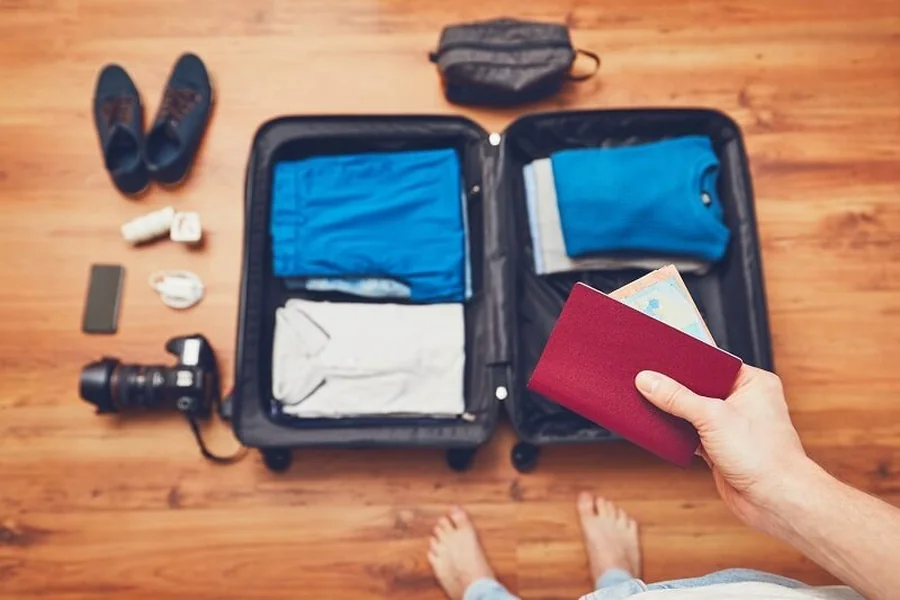
A solo trip across Europe promises freedom, culture, and unforgettable experiences. Yet personal safety remains a top priority, especially for travelers who move alone. Good preparation reduces stress and builds confidence throughout the journey. Reliable preparation builds mental comfort and strengthens decision-making throughout every stage of the trip.
Reliable Local Connectivity with eSIM
Mobile connectivity supports safety during a solo trip. The best eSIM for Europe allows access to local data without a physical SIM card swap. Many modern smartphones support this feature, though compatibility varies by device and provider. Local data access helps with maps, emergency calls, and transport updates.
Review network coverage and data plans before purchase. Stable connectivity makes communication and navigation easier across different European regions. Check activation steps in advance so service begins smoothly upon arrival at your destination airport. Keep your phone secured with a strong password and biometric lock for extra protection.
Smart Travel Insurance Coverage
Travel insurance serves as a financial safety net during an overseas trip. Medical emergencies in Europe can result in high hospital bills without proper coverage. A comprehensive plan should include medical care, trip cancellation, and lost baggage protection. Review policy details to confirm coverage for the countries on your itinerary.
Keep a digital and printed copy of your insurance documents for quick access. Reliable insurance provides reassurance when unexpected situations arise. Compare providers carefully and read customer reviews before selecting the most suitable policy for your travel needs. Clear knowledge of coverage limits prevents confusion and reduces financial pressure during emergencies abroad.
Secure Document Storage
Important documents require careful handling during a solo trip. Carry your passport in a concealed pouch under clothing instead of a visible pocket. Store photocopies of your passport, visa, and identification in separate luggage compartments. Save digital copies in a secure cloud account with password protection.
Avoid handing your passport to strangers unless required by authorities or hotel staff. Organized document storage reduces panic if theft or loss occurs. Use waterproof sleeves to protect papers from rain, spills, or accidental damage during transit. Maintain a small folder that keeps tickets, boarding passes, and reservation printouts neatly arranged.
Anti-Theft Bags and Locks
Pickpocket activity appears in many tourist hotspots across Europe. A backpack with hidden zippers and slash-resistant fabric adds a layer of defense. Small luggage locks protect valuables inside suitcases or hostel lockers. Crossbody bags with secure closures reduce the risk of snatch theft.
Keep your bag in front of you in crowded transport hubs. Practical gear discourages opportunistic criminals. Select neutral bag designs that avoid flashy logos and reduce unwanted attention in busy areas. Place essential valuables deep inside compartments rather than outer pockets for better protection.
Emergency Contact Plan
A clear emergency contact plan improves personal security abroad. Share your itinerary with a trusted family member or friend before departure. Provide copies of hotel reservations and transport schedules. Save local emergency numbers, such as 112, the European emergency hotline, in your phone.
Register with your country’s embassy if required for long stays. Quick communication reduces confusion during urgent situations. Establish regular check-in times so someone stays aware of your location and daily plans. Write down essential contact numbers on paper in case your phone battery drains unexpectedly.
Personal Safety Apps and Tools
Technology offers helpful tools for solo travelers. Location-sharing apps allow trusted contacts to track your movement when necessary. Offline map applications help you avoid reliance on public Wi Fi networks. A portable power bank ensures your phone remains active during long sightseeing days.
Consider a small personal alarm device for crowded or unfamiliar areas. These tools strengthen preparedness without adding bulk to your luggage. Install official transport and city guide apps to access verified information about routes and schedules. Keep device software updated to reduce exposure to security vulnerabilities while abroad.
Financial Security Measures
Money management plays a crucial role in travel security. Carry two debit or credit cards and store them separately. Use contactless payments where possible to limit cash exposure. Inform your bank about travel dates to prevent card blocks.
Avoid counting large sums of money in public places. Smart financial habits reduce the chance of theft or fraud. Enable transaction alerts through your banking app to monitor account activity in real time. Keep small amounts of local currency for minor purchases or emergency situations.
Solo travel across Europe offers independence and personal growth. Strong security habits create a safer and more relaxed journey. Insurance, document care, secure bags, and stable connectivity each contribute to peace of mind. Clear communication plans that entail using the best eSIM for Europe further strengthen protection. With careful preparation, solo travelers can explore Europe with confidence and focus on meaningful experiences.
