

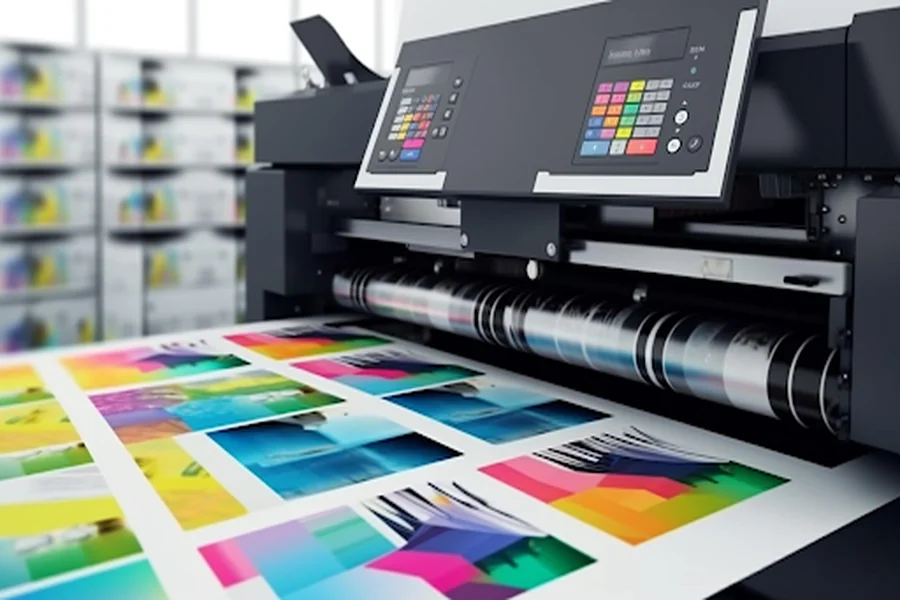
Singapore’s printing industry serves as a critical support system for businesses and individual clients, providing high-quality outputs across a wide range of sectors. From traditional offset methods to advanced digital and 3D technologies, printing services have continuously evolved to meet the demands of a fast-paced, competitive city. A lot of organisations rely on printing services in Singapore to ensure consistent quality and timely delivery for their branding and communication needs. Their adaptability ensures that organisations can maintain professionalism, convey brand identity effectively, and respond to increasingly personalised requirements.
Evolution of Printing Techniques
The printing landscape in Singapore has undergone a significant transformation over the years. Offset printing, long regarded as the standard for bulk production, remains essential due to its ability to deliver consistent, high-quality results at lower costs per unit. This method continues to serve large-scale projects efficiently, making it indispensable for corporate brochures, flyers, and marketing campaigns.
However, digital printing has revolutionised the sector by offering faster turnaround times, greater flexibility, and personalised output. Without the need for plates, digital solutions allow for smaller print runs and customised designs, making them suitable for businesses and individuals with tight deadlines or specific creative needs.
Alongside technological advances, environmental awareness has reshaped operational practices. Many Singaporean printing companies now adopt sustainable approaches, using recycled paper, soy-based inks, and waterless printing methods to reduce their ecological impact. This shift demonstrates a growing commitment to green initiatives, reflecting global sustainability trends.
Digital Printing: Flexibility and Efficiency
Digital printing has become a cornerstone of modern printing solutions due to its adaptability and efficiency. Its ability to produce high-quality outputs rapidly allows businesses to respond to time-sensitive projects without sacrificing precision. Marketing materials, personalised invitations, and promotional items benefit significantly from this method, which also accommodates small-scale orders that traditional printing cannot manage as economically.
The customisation possibilities of digital printing offer a strategic advantage for companies seeking to maintain a strong brand presence. By enabling bespoke designs, businesses can deliver tailored messaging to their clients while remaining competitive in Singapore’s demanding commercial environment.
Offset Printing: Reliability for Large-Scale Projects
Offset printing continues to excel in large-volume production, particularly where consistent colour accuracy and high-quality finishes are essential. Educational institutions, real estate developers, and major corporations frequently rely on offset printing for brochures, annual reports, and advertising materials, appreciating its cost-effectiveness for extensive orders.
The method’s precision ensures that brand representation remains uniform across multiple materials, helping companies preserve a professional and cohesive image. Its reliability has maintained offset printing’s relevance even amidst the rise of digital alternatives.
Sustainability in Printing Practices
Sustainability has become a priority within the Singaporean printing sector. Companies increasingly implement eco-friendly processes such as biodegradable materials, vegetable-based inks, and eco-certifications to demonstrate environmental responsibility.
Beyond compliance, these practices appeal to clients who prioritise ethical and environmentally conscious business partners. By adopting green technologies, printing firms enhance their reputations and contribute to a broader culture of sustainability, aligning with both local and international standards.
Printing and Corporate Branding
High-quality print materials remain integral to corporate branding strategies. Brochures, business cards, and marketing collateral communicate a company’s values and professionalism, making a tangible impression that digital-only solutions cannot fully replicate.
Printing services help organisations achieve consistency and clarity in brand messaging, an essential consideration in Singapore’s competitive business climate. First impressions carry weight, and visually polished materials can distinguish companies from their competitors, reinforcing credibility and consumer trust.
3D Printing: Expanding Possibilities
Emerging technologies, particularly 3D printing, are expanding the scope of the industry. Although still developing, 3D printing provides opportunities across healthcare, manufacturing, and educational sectors, enabling the creation of complex, customisable objects at lower costs than traditional methods.
Singapore supports innovation in this field, fostering research, collaboration, and practical applications. As 3D printing technology matures, it complements existing services, adding versatility and positioning the country as a regional leader in advanced manufacturing and design.

Challenges and Opportunities
Despite its growth, the printing sector faces challenges. The demand for rapid, affordable production must be balanced against sustainability objectives, requiring constant innovation. Companies that navigate this tension successfully can differentiate themselves by offering technologically advanced, environmentally conscious solutions.
Such firms are well-positioned to satisfy existing clients while attracting new markets, ensuring resilience and long-term success in a highly competitive industry.
Future Outlook: Smart and Customised Solutions
The future of printing in Singapore will be shaped by automation and artificial intelligence. AI-driven systems promise improved precision, streamlined operations, and enhanced productivity, allowing companies to deliver more complex and customised solutions efficiently.
Ongoing research in materials science and digital technologies will further broaden the industry’s capabilities. Singapore’s focus on innovation and strategic investment in emerging printing technologies ensures the sector remains robust, sustainable, and adaptable to evolving market needs.
Conclusion
Singapore’s printing industry stands at the intersection of tradition and innovation, combining offset reliability, digital flexibility, sustainable practices, and emerging 3D technologies. Its capacity for tailored solutions, commitment to quality, and integration of eco-conscious approaches make it a cornerstone of the city’s business infrastructure.
As it continues to evolve, the sector exemplifies Singapore’s reputation for efficiency, adaptability, and technological advancement, remaining essential for both local enterprises and international competitiveness.
