

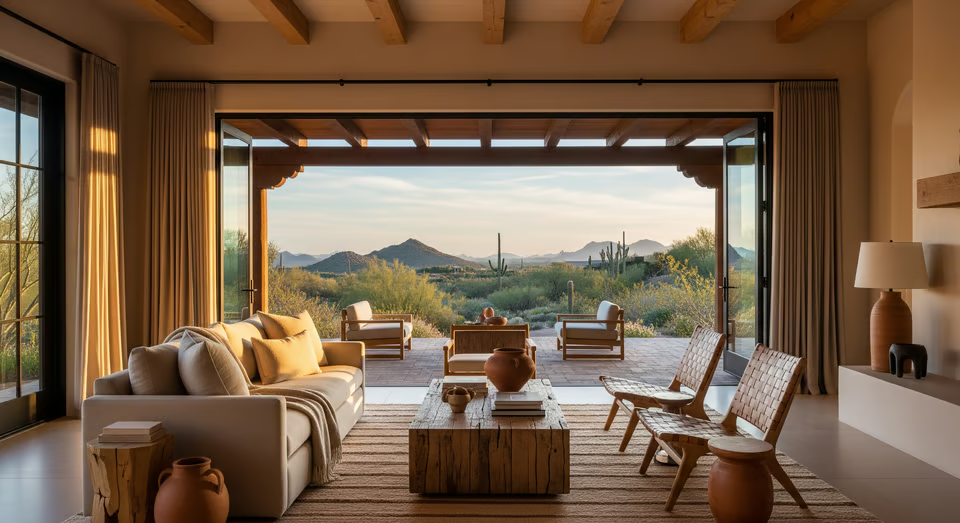
In Arizona, the line between inside and outside is often much thinner than it is in other places, which is why indoor–outdoor living feels so natural here. Long stretches of sunshine, mild mornings, and usable evenings make patios, courtyards, and shaded backyards feel like part of daily life rather than occasional extras. But what makes that lifestyle truly work in the desert? It is not just about opening up a room or adding outdoor furniture. It takes thoughtful choices around shade, layout, materials, privacy, and remodeling so the home feels comfortable, connected, and well suited to the climate.
Why Indoor–Outdoor Living Feels So Natural in the Desert
Indoor–outdoor living makes sense in Arizona because the climate invites people to use more of their property for more of the year. Even when summer is intense, mornings, evenings, and cooler months create many opportunities to enjoy patios, courtyards, and shaded yards. That changes how people think about the home itself. Instead of treating the outside as a separate zone, many homeowners start to see it as an extension of the kitchen, living room, or dining area.
The desert also brings a visual quality that supports this lifestyle. Natural light is abundant, the views are often open and dramatic, and the surrounding landscape can add character without much effort. Why shut all of that out if the home can be designed to work with it? The key is not pretending Arizona has a mild coastal climate, but recognizing what makes desert living special and building around those conditions in a practical way.
It Starts With Comfort, Not Just Looks
A lot of indoor–outdoor spaces look impressive in photos but feel uncomfortable in daily life. In Arizona, that gap becomes obvious very quickly because heat, glare, and dry air are hard to ignore. A well-designed space starts with shade, airflow, and surfaces that stay reasonably comfortable through changing conditions. Once those basics are handled, the visual side of the design becomes much easier to get right.
This is why comfort should guide every major decision, from orientation to furniture placement. A patio that gets blasted by afternoon sun will not see much use, no matter how attractive it looks. The same goes for seating with no breeze, hard surfaces that radiate heat, or layouts that force people to move back inside too quickly. Good indoor–outdoor living in the desert is not about chasing a look. It is about making the space inviting enough that people actually want to spend time there.
Creating a Home That Flows From Inside to Outside
One of the biggest differences between a disconnected home and a well-planned one is how easily people can move between interior and exterior spaces. Large openings, clear walkways, and strong sightlines help the patio or courtyard feel like part of the home rather than an afterthought. This does not always require a huge remodel. Even smaller design choices, such as aligning a dining area with a covered patio or opening a room toward the yard, can change the feel of the space.
Visual continuity matters too. When flooring tones, materials, lighting styles, and color palettes relate to one another, the transition feels smoother and more intentional. That does not mean indoor and outdoor spaces should look identical, because they serve different purposes and face different conditions. Still, a sense of connection makes the home feel more open and more usable. Why should the patio feel disconnected from the rest of the home if it is meant to be used as often as an interior room?
The Real Secret to Outdoor Living in Arizona: Shade
Shade is what makes outdoor living possible in Arizona, not just more pleasant. Without it, a patio may sit empty for much of the day, especially during warmer months. Covered structures, deep overhangs, shade sails, and well-placed trees can all reduce direct sun exposure and make a major difference in comfort. They also help protect doors, windows, furniture, and flooring from wear caused by constant heat and strong sunlight.
The most effective spaces often use layered shade rather than relying on a single element. A roof extension may block overhead sun, while screens, planting, or secondary structures soften the light at lower angles. This matters because the desert sun moves fast and hits differently throughout the day. A shaded area in the morning may become harsh by late afternoon if the design is too simple. Thoughtful shade planning turns a patio from a seasonal feature into a part of the home that works far more consistently.
Outdoor Spaces Work Best When They Fit Real Life
The most successful outdoor spaces are shaped by habits, not trends. Some households want a place for casual dinners and weekend gatherings, while others care more about a quiet morning coffee spot or a shaded corner to unwind in the evening. That is why layout matters so much. A small patio with the right seating, shade, and purpose can feel far more useful than a larger yard that tries to do too much without clear intention.
Thinking about daily use helps people avoid wasted space. Do you really need a large formal setup if most of your time outside is spent reading, grilling, or having a drink after sunset? Outdoor living works best when it supports ordinary routines rather than only occasional events. In Arizona, where exterior space can be used often, function should lead the design. When the space matches real behavior, it feels natural instead of staged.
Remodeling for Better Indoor–Outdoor Living
Remodeling can make a major difference when a home feels cut off from its outdoor space. In many Arizona houses, the issue is not a lack of square footage but a layout that does not take advantage of the climate or the lot. Opening up walls, improving door placement, expanding covered areas, or reworking transitional zones can make the home feel larger and more connected without requiring a complete rebuild. These changes are especially valuable when they improve both comfort and daily movement.
Kitchens are often one of the smartest places to start because they tend to anchor how people gather and move through the home. A kitchen that connects more directly to a patio, outdoor dining area, or grilling zone can make entertaining easier and everyday routines more practical. This is one reason many homeowners work with kitchen and remodeling contractors like Cabinet Coatings when rethinking how interior spaces relate to the outdoors. The same idea can apply to living rooms, dining spaces, and primary suites that feel isolated from the exterior.
Mistakes That Can Make Indoor–Outdoor Living Feel Less Comfortable
One of the most common mistakes is designing outdoor areas around appearance without thinking enough about climate. A beautiful setup will not hold up well if it lacks shade, traps heat, or uses materials that become difficult to live with. Another common issue is forcing in features that do not match the household’s habits. Spaces that are oversized, overdesigned, or too hard to maintain often end up being used less than expected.
It is also easy to underestimate the desert itself. Too much water-intensive landscaping, too little privacy, poor airflow, and weak sun protection can all make a home feel less settled and less functional. The point of indoor–outdoor living is not to blur boundaries at any cost. It is to create a better relationship between the house and its surroundings. When comfort, maintenance, and real use are ignored, that relationship starts to break down quickly.
Conclusion
When indoor–outdoor living is done well in Arizona, the home feels more useful, more comfortable, and more connected to its surroundings. Shade, durable materials, practical landscaping, smart remodeling, and well-planned transitions all help turn exterior space into something people genuinely enjoy using. Why settle for outdoor areas that look good but rarely get used? The best desert homes are not the ones that fight the climate, but the ones that respond to it in a way that feels natural, balanced, and easy to live with.
