

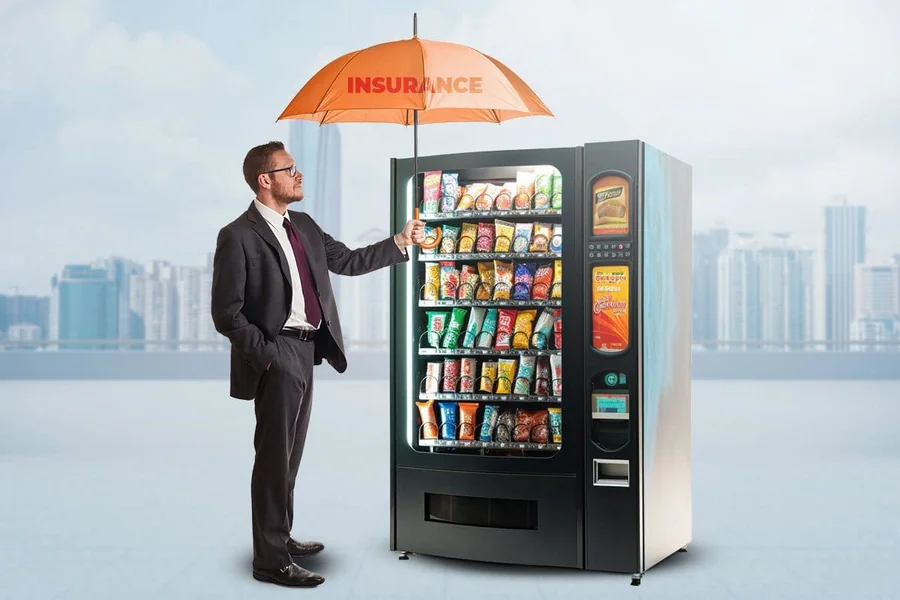
Food vending machines occupy spaces that most people walk past without thinking. A hallway in a hospital, a corner of a university building, a break room in a factory. Yet those machines generate billions in revenue across the United States and Canada every year. The business model remains simple: sell small food items quickly, automatically, and with minimal labor.
The appeal of vending lies in its structure. A traditional restaurant requires rent, staff, utilities, and inventory management that changes daily. A vending machine, by contrast, can operate continuously with minimal supervision. A single operator may maintain dozens of machines across multiple locations.
Margins in vending often appear small at first glance. A chocolate bar purchased wholesale for $0.60 might sell for $1.75. After factoring in commissions, restocking costs, and occasional spoilage, the profit might shrink to around $0.50 per item. Yet a well-placed machine can sell hundreds of items each week.
The real advantage is scale. Operators who begin with a few machines often expand gradually, adding locations once a route becomes profitable. Ten machines may produce modest income. Fifty machines can generate a stable business. Large operators across North America manage hundreds or even thousands.
Location also plays a larger role than technology or product selection. A standard snack machine in a hospital lobby may outperform a premium fresh-food unit placed in a quiet office building. High foot traffic and limited alternatives often determine whether a machine succeeds.
For new entrants, startup costs remain manageable compared with other food ventures. A refurbished snack machine may cost $2,000 to $4,000. Modern machines with touch screens, refrigeration, and cashless payment systems can exceed $7,000. Once installed, however, operating expenses remain relatively predictable.
This balance between manageable startup costs and steady recurring sales explains why vending continues to attract entrepreneurs across North America.
The Profit Equation Behind Every Machine
Profit in vending depends on three variables: location quality, product margin, and operational efficiency. Each one influences the long-term return from a machine.
Location determines volume. A machine in a busy transit hub may sell 200 to 300 items per week. A similar machine in a quiet office might sell fewer than 40. The difference between those two locations often determines whether the machine produces profit.
Product margin determines how much each sale contributes. Snack foods generally carry strong margins because of low wholesale prices. Bottled drinks, on the other hand, often produce slightly smaller margins due to higher purchase costs.
Operational efficiency affects how much of that margin remains after expenses. A machine that requires frequent service calls or sits far from other machines increases labor time and fuel costs.
Most machines in the United States and Canada operate under a commission agreement with the property owner. Offices, factories, hospitals, and apartment complexes often receive a percentage of sales. Commissions typically range between 10 and 25 percent.
Electricity costs remain low. A typical refrigerated vending machine consumes roughly the same energy as a household refrigerator. Monthly electricity expenses often remain below $25 depending on the region and machine type.
Maintenance costs vary. Older machines require occasional repairs for motors, coin mechanisms, or cooling units. Newer machines use digital payment systems and remote monitoring software that can alert operators when inventory runs low or technical issues arise.
Break-even timelines vary depending on machine price and sales volume. A machine that generates $350 in monthly profit may repay its purchase cost within one year. Machines in weaker locations may take several years to recover their initial investment.
Experienced operators therefore focus heavily on negotiating strong placements. The right location can transform an average machine into a reliable revenue source.
Snack and Soda Machines: The Backbone of the Industry
Traditional snack and soda machines remain the most common vending format across North America. Their reliability, simple logistics, and wide product selection continue to generate steady income.
Snack machines typically sell chips, chocolate bars, cookies, and other packaged foods. Operators purchase these items from wholesalers such as Costco Business Centers, Sam’s Club, or specialized vending distributors.
Wholesale snack prices often range between $0.40 and $0.90 per unit depending on brand and quantity. Retail prices usually fall between $1.50 and $2.50. The margin remains strong even after commission payments.
Drink machines operate slightly differently. Bottled beverages require refrigeration and occupy more space inside the machine. Wholesale soda prices generally fall between $0.70 and $1.20 per bottle. Retail prices typically range between $1.75 and $3 depending on location.
The main advantage of snack and soda machines lies in consistency. Products have long shelf lives and require minimal preparation. Inventory rotation remains simple, reducing spoilage risk.
Factories and warehouses often produce high sales volumes for snack machines. Workers may rely on vending machines during night shifts when nearby stores remain closed. Machines in those environments may sell hundreds of items per week.
Schools and universities also generate strong demand. Students often purchase snacks between classes, creating predictable daily traffic.
Because these machines are widely understood, many refurbished units remain available at reasonable prices. New operators often begin with snack and soda machines before exploring more specialized formats.
Fresh Food Vending Machines: Higher Revenue With More Complexity
Fresh food vending machines represent one of the fastest-growing segments of automated food retail. These machines sell sandwiches, salads, yogurt cups, and prepared meals stored in refrigerated compartments.
The concept targets locations where people want quick meals rather than snacks. Hospitals, airports, and large office complexes frequently use these machines to provide food during late hours.
Fresh food vending offers higher revenue potential per sale. A sandwich may sell for $6 to $10 depending on location and quality. Prepared meals can exceed $12.
Higher prices produce larger margins, but they also introduce additional operational challenges. Fresh items require strict expiration management. Operators must monitor inventory closely and remove unsold items before they spoil.
Many fresh vending businesses partner with local kitchens or meal preparation companies. These suppliers produce packaged meals that meet health regulations and include clear expiration labeling.
Modern machines use digital temperature monitoring to maintain food safety standards. Some units also track inventory remotely, allowing operators to adjust restocking schedules based on sales data.
Although the logistics are more demanding, strong locations can produce significant revenue. Hospitals often generate consistent demand because staff members work long shifts and have limited access to nearby restaurants.
In some facilities, fresh food machines serve as a practical alternative to traditional cafeterias that close during overnight hours.
Coffee and Specialty Beverage Machines
Coffee vending machines operate differently from snack machines because they prepare drinks on demand rather than dispensing packaged items. These machines grind coffee beans or use concentrated ingredients to produce espresso, cappuccino, and other beverages.
The economics of coffee remain attractive. A cup of coffee may cost less than $0.50 in raw ingredients but sell for $2.50 or more depending on the location. Even after accounting for milk powder, sugar, and machine maintenance, margins remain strong.
Offices represent the most common location for coffee vending. Employees often prefer convenient coffee options without leaving the building. Machines placed near break rooms or building entrances usually perform well.
Universities also create strong demand. Students often purchase coffee during long study sessions, particularly in libraries that remain open late.
Modern coffee vending machines include touch screens and customizable drink options. Users can select strength levels, milk quantities, and flavor additions. These features mimic the customization available in coffee shops while maintaining automated operation.
Maintenance remains more complex than snack machines. Coffee machines require regular cleaning to maintain hygiene and consistent drink quality. Operators must refill ingredients such as beans, milk powder, sugar, and cups.
Despite these tasks, coffee vending can produce some of the highest margins in the vending industry when placed in high-traffic locations.
Frozen Food and Pizza Machines
Automated pizza vending machines have gained attention in North America during the past decade. These machines store frozen pizzas and cook them inside built-in ovens before dispensing the finished product.
Customers typically wait three to five minutes while the machine heats the pizza. The process appeals to late-night customers who want a hot meal but lack access to nearby restaurants.
Frozen pizzas purchased wholesale may cost $2 to $3 each. Retail prices usually range from $8 to $12 depending on size and location. Even after electricity and maintenance costs, the margin per unit remains strong.
College campuses, entertainment districts, and transportation hubs often produce strong sales for pizza vending machines. Demand increases during evening hours when nearby food options become limited.
Frozen food machines can also sell items such as burritos, sandwiches, and ready-to-heat meals. These products expand menu options while maintaining long storage times.
The main challenge involves equipment cost. Pizza vending machines often exceed $25,000 due to integrated ovens and advanced refrigeration systems. Operators must therefore secure high-traffic locations before investing in this equipment.
When placed correctly, however, these machines can produce significant revenue during late hours when traditional food vendors remain closed.
Healthy Snack and Protein Machines
Health-focused vending machines have emerged in gyms, universities, and corporate wellness environments. These machines replace traditional candy bars with protein bars, nuts, dried fruit, and nutritional snacks.
The concept reflects changing consumer preferences. Many workplaces now promote healthier food options, encouraging vendors to replace high-sugar snacks with alternatives that support fitness goals.
Healthy vending products often cost more wholesale but also sell at higher retail prices. A protein bar purchased for $1.20 may sell for $3.50. Specialty beverages such as kombucha or cold-pressed juice may sell for $4 to $5.
Gyms provide the most natural environment for these machines. Customers often seek quick nutrition before or after workouts. Machines placed near entrances or locker rooms usually perform well.
University campuses also support healthy vending concepts, particularly in recreation centers and athletic facilities.
Operators must carefully monitor product demand. Some healthy items sell quickly, while others may remain unsold due to unfamiliarity. Rotating inventory based on sales data helps reduce waste.
Although healthy vending machines may not match the volume of traditional snack machines, their higher price points can generate strong profit margins in the right locations.
Locations That Turn Machines Into Profitable Businesses
Location selection often determines whether a vending machine becomes profitable. Operators therefore spend significant time identifying environments with consistent foot traffic and limited food alternatives.
Hospitals rank among the most reliable locations. Staff members work long shifts, and visitors often remain inside the building for extended periods. Machines placed near waiting areas or emergency departments often generate steady sales.
Airports also produce strong demand due to constant traveler movement. Passengers frequently purchase snacks and drinks while waiting for flights. Space in airports remains expensive, however, so operators often compete for placement contracts.
Universities generate large daily populations. Students moving between classes create predictable peaks in vending demand. Dormitories, libraries, and student centers often support multiple machines.
Manufacturing plants represent another strong location category. Workers rely on vending machines during scheduled breaks, particularly during night shifts when nearby stores remain closed.
Apartment complexes have also become popular vending locations. Residents appreciate convenient snack access without leaving the building.
In some buildings, vending machines appear beside communal seating areas or dining spaces with furniture similar to restaurant tables, creating informal break zones where people gather briefly before returning to work.
Each of these locations demonstrates the same principle. High foot traffic combined with limited alternatives often produces the best results.
Real Numbers From Small Vending Operations
A realistic view of vending profits helps new operators evaluate the business. Consider a typical snack machine placed in a mid-size office building.
If the machine sells 60 items per week at an average retail price of $2.00, weekly revenue equals $120. After subtracting wholesale product costs and a 15 percent commission to the building owner, the machine might produce around $40 in weekly profit.
This figure may appear modest, but the economics improve with stronger locations. A machine selling 200 items per week could produce more than $150 in weekly profit.
Operators often build routes containing 15 to 30 machines within a city. When each machine produces $50 to $150 in weekly profit, the combined revenue can support a full-time business.
Coffee machines can produce higher revenue per unit. A busy office coffee machine selling 100 cups per day may generate several thousand dollars in monthly sales.
Fresh food machines may also produce strong revenue in hospitals or universities, where customers frequently purchase full meals rather than snacks.
These examples illustrate why experienced operators focus heavily on placement and route density.
Challenges That New Operators Often Underestimate
Vending appears simple from the outside, but several operational challenges emerge once machines enter service.
Machine downtime represents the most obvious risk. Payment systems, motors, or cooling units occasionally fail. When a machine stops working, revenue stops immediately until repairs occur.
Theft and vandalism also remain concerns in certain locations. Machines placed in poorly monitored areas may suffer damage or forced entry.
Inventory management presents another challenge. Overstocking reduces cash flow, while understocking leads to missed sales opportunities. Operators must learn the purchasing habits of each location.
Perishable food adds additional complexity. Fresh sandwiches or salads must rotate quickly to prevent spoilage. Machines in slow locations may require smaller inventory quantities.
Transportation costs increase when machines spread across large geographic areas. Fuel expenses and travel time can erode profits if routes lack efficiency.
For these reasons, successful vending operators develop disciplined routines for restocking, maintenance, and data tracking.
The Future of Automated Food Retail
Technology continues to reshape vending across North America. Cashless payment systems now dominate new machines, allowing customers to pay with cards or mobile wallets.
Remote monitoring software allows operators to track sales and inventory levels in real time. Machines can notify operators when specific items run low or when technical issues occur.
Micro-market concepts also expand vending beyond traditional machines. These setups place open shelves and refrigerators in office spaces, allowing customers to select food items and pay through automated kiosks.
Robotic cooking machines represent another development. Automated systems capable of preparing pizza, ramen, or burgers continue to appear in airports and universities.
These innovations suggest that automated food retail will continue expanding. Machines reduce labor costs while providing convenient food access in locations where traditional restaurants cannot operate efficiently.
For entrepreneurs seeking a food venture with manageable overhead and scalable growth, vending machines remain one of the most practical entry points into the food business across the United States and Canada.
