

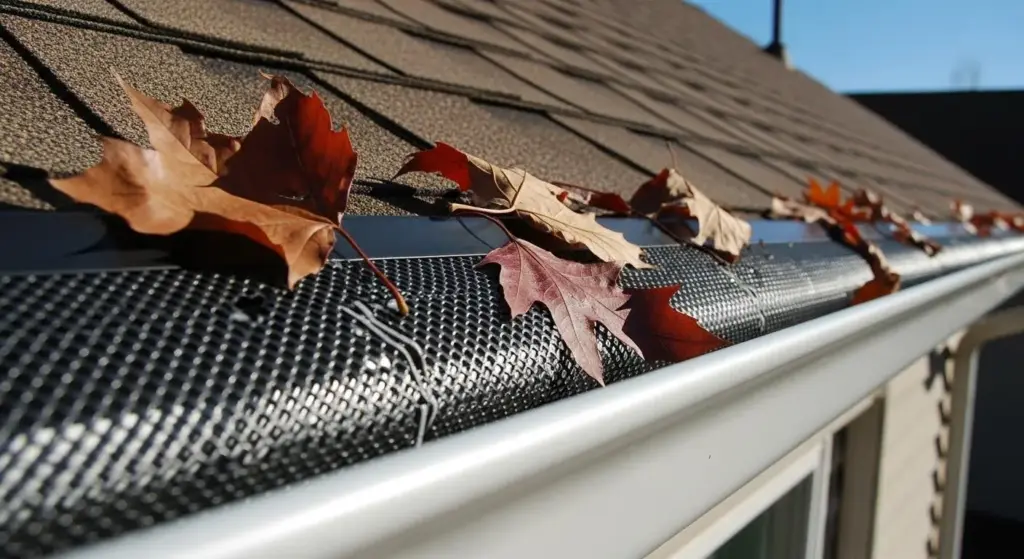
If you’ve been wondering — do leaf screens actually work? — you’re far from alone. Every fall, homeowners across the country climb ladders, scoop soggy debris from their gutters, and ask themselves whether there’s a smarter solution. The short answer is yes, leaf screens can work. But the real answer is more nuanced than that, and this guide is here to give it to you straight.
Whether you’re exploring leaf screens for gutters for the first time, comparing gutter protection systems, or trying to decide if the investment is worth it — this honest 2026 guide walks you through everything you need to know.
What Are Leaf Screens?
Leaf screens — also called gutter guards or gutter covers — are protective barriers installed over or inside your gutters to keep leaves, twigs, pine needles, and other debris out. The goal is simple: allow rainwater to flow freely into the gutter while blocking the organic material that causes clogs.
They come in many shapes, materials, and price points — and that variety is exactly why so many homeowners get confused about which product does what.
How Do Leaf Screens Work?
Most gutter leaf screens work by one of two basic principles:
- Physical blocking: A mesh, foam, or screen layer sits over the gutter opening. Holes are large enough for water to pass through but too small for most debris.
- Surface tension: Some premium systems use curved covers that guide water around the edge and into the gutter via surface adhesion, while debris falls off the edge.
In practice, both approaches reduce how often debris accumulates inside the gutter. But neither system is entirely maintenance-free — more on that below.
Types of Leaf Screens and Gutter Protection Systems
Not all gutter guards for leaves are created equal. Here are the most common types available in 2026:
Mesh Screens
Fine stainless steel or aluminum mesh that blocks small debris while letting water pass. Generally one of the most effective options available.
Reverse Curve / Surface Tension Guards
Water clings to a curved surface and flows into the gutter; debris theoretically drops off. Works well in moderate climates but can struggle in heavy downpours.
Foam Inserts
Porous foam sits inside the gutter. Water soaks through, debris sits on top. Cost-effective but prone to supporting moss or plant growth over time.
Brush Inserts
Cylindrical bristle brushes inserted into gutters. Debris catches in the bristles. Low cost, but frequent cleaning is still required.
Micro-Mesh Guards
The gold standard of gutter protection systems. Ultra-fine mesh blocks everything except water. Highly effective even in areas with heavy leaf fall.
Benefits of Installing Leaf Screens
When properly selected and installed, leaf protection for gutters offers real advantages:
- Dramatically reduces how often gutters need to be cleaned
- Prevents water overflow and foundation damage caused by clogs
- Reduces the risk of ice dams forming in winter climates
- Keeps pests like mosquitoes, birds, and rodents out of gutters
- Protects wood fascia boards from standing water rot
- Extends the lifespan of the entire gutter system
- Reduces the danger of frequent DIY ladder climbs for cleaning
Drawbacks and Limitations You Should Know
Honest advice means covering the downsides too. Here’s where gutter leaf screens fall short:
- No system is 100% clog-proof. Fine debris like seed pods, shingle grit, and pine needles can still get through cheaper screens.
- Heavy rainstorms can overwhelm some gutter guard designs, causing water to sheet over the top instead of entering the gutter.
- Foam and brush-style inserts can become a breeding ground for moss, mold, and even weeds if not periodically cleaned.
- Low-quality screens may warp, rust, or degrade within a few years, requiring replacement.
- Installation done poorly can void gutter warranties or cause water to divert toward the foundation.
Do Leaf Screens Completely Stop Gutter Cleaning?
This is one of the most common misconceptions in the gutter industry. The truth: leaf screens dramatically reduce cleaning frequency, but they rarely eliminate it entirely.
Most high-quality gutter protection systems will reduce cleaning from twice a year to once every few years. But if you have heavy tree coverage — especially oak, pine, or sweet gum trees nearby — some degree of periodic maintenance will still be necessary.
The best gutter guards for heavy leaves (such as micro-mesh systems) perform significantly better than basic screen or foam options, but even they benefit from an occasional visual inspection.
Are Leaf Screens Worth the Money?
For most homeowners, yes — especially if you factor in the long-term costs of gutter clog prevention vs. water damage repair. Clogged gutters can lead to fascia rot, foundation erosion, basement flooding, and even roof damage. The cost of those repairs far exceeds the price of a quality gutter guard installation.
That said, not every home needs a premium system. If your property has minimal tree coverage and you’re diligent about gutter maintenance tips, a mid-range screen may be all you need.
Who Should Install Leaf Screens?
Leaf screens make the most sense for:
- Homeowners with large trees overhanging or close to the roofline
- Properties in regions with heavy seasonal leaf fall
- Anyone who has experienced foundation issues or water intrusion linked to overflowing gutters
- Homeowners who want to reduce the frequency and hazard of ladder-based gutter cleaning
- Those with seamless gutters and leaf screens already partially installed and looking to complete the system
- Older homeowners or those with mobility limitations who find gutter cleaning physically challenging
When Leaf Screens Make the Most Sense
Timing matters. The best time to install rain gutter leaf protection is:
- Right after a professional gutter cleaning — never on top of existing debris
- When installing a new gutter system altogether, as combined installation saves labor costs
- Before fall arrives and leaf volumes peak in your area
- After experiencing your first gutter-related water damage event — proactive beats reactive every time
Tips for Choosing the Right Gutter Guard System
Here’s what to look for when shopping for the right leaf screen solution:
- Match the guard to your tree types: Pine needles and shingle grit require micro-mesh. Large flat leaves do fine with a standard mesh screen.
- Check material quality: Stainless steel and aluminum last far longer than plastic in UV exposure and freeze-thaw cycles.
- Consider your rainfall intensity: High-flow areas need systems specifically rated for heavy rain volume.
- Verify warranty coverage: Reputable manufacturers offer 10 to 25-year warranties. Avoid any product with no coverage.
- Hire a professional for installation: Even a good product will underperform if improperly installed. Correct pitch and fit are critical.
Working With Southwest Seamless Rain Gutters
Choosing the right gutter protection system is easier when you have an experienced local team on your side. Southwest Seamless Rain Gutters helps homeowners find reliable, long-lasting gutter solutions tailored to their specific home and environment — not a one-size-fits-all product off a shelf.
Their team can evaluate your current gutter setup, the tree coverage around your home, your local rainfall patterns, and your long-term maintenance goals to recommend the right leaf screen or gutter protection system for your situation. Whether you’re installing new seamless gutters or upgrading an existing system with leaf protection, professional guidance makes all the difference.
If you’re ready to stop fighting your gutters every fall, reach out to Southwest Seamless Rain Gutters today for a consultation. A smarter, cleaner gutter system is closer than you think.
Honest Final Verdict for Homeowners in 2026
So, do leaf screens actually work? Yes — but with realistic expectations. The best systems genuinely reduce the burden of gutter maintenance, protect your home from water damage, and pay for themselves over time by preventing costly repairs. The key is choosing the right type of screen for your home’s specific conditions and having it professionally installed.
Avoid the trap of expecting zero maintenance ever again — no product can honestly promise that. But with the right gutter protection system in place, you’ll clean far less, worry far less, and protect your home far better than if you had done nothing at all.
In 2026, micro-mesh systems remain the top-rated choice for heavy leaf environments, while mid-range aluminum mesh screens offer solid performance for average-canopy homes on a tighter budget. Whatever you choose, make sure it’s matched to your climate, your trees, and installed by someone who knows what they’re doing.
