

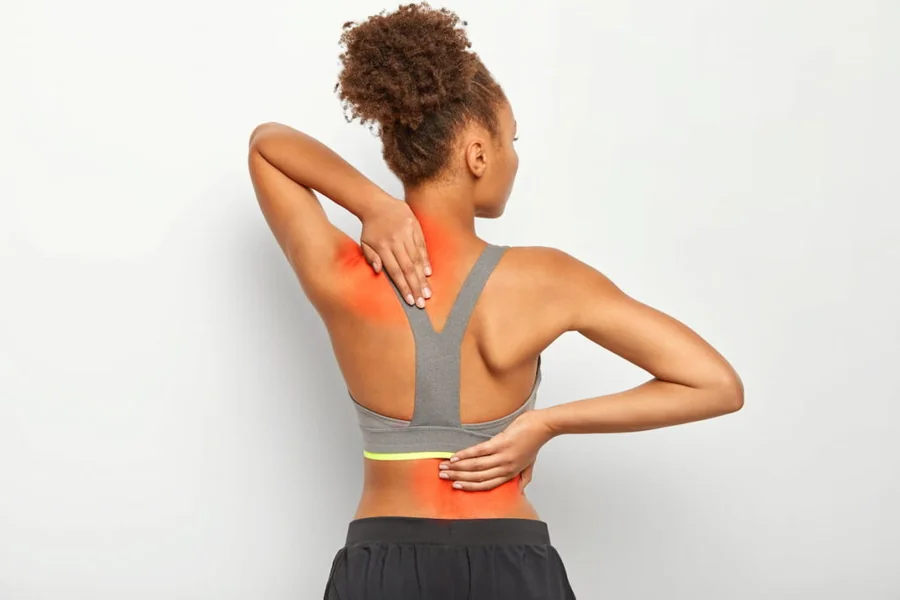
Lower back pain (LBP) is among the most common and disruptive health issues affecting adults. It affects roughly 80% of us at some point, turning simple tasks like tying your shoes or picking up a grocery bag into a high-stakes mission. When the pain hits, the first thing most people look for is a quick fix, and that usually leads them straight to the pharmacy or an online store, finding an accurate back brace or a back support.
But here is the million-dollar question: Does a back brace actually provide real, clinical relief, or is it just a fancy, expensive belt? To figure that out, we need to look past the marketing and dive into how these things actually interact with your spine, your muscles, and your brain.
The How-To of Healing: How a Back Brace Works
A medical-grade back brace is not just a tight piece of fabric. It is a tool designed to change the mechanical environment of your lower back (the lumbar spine). While a posture corrector usually focuses on pulling your shoulders back to stop Tech Neck, a lumbar brace is all about stabilization and pressure.
1. The Fluid Cylinder Effect
When properly stabilized and under pressure, the torso is capable of supporting significant weight. A back support works by compressing your abdomen, which increases intra-abdominal pressure. This creates a supportive cylinder of fluid and air in front of your spine, which helps take the literal weight off your intervertebral discs. For someone with a herniated disc, this unloading can feel like an instant solution.
2. Stopping the Micro-Twitch
When you have a back injury, your muscles often go into spasms to protect the area. The problem is that even tiny, accidental movements, which doctors call micro-motions, can re-trigger those spasms and keep the area inflamed. A brace acts as a physical boundary, limiting your range of motion just enough to let the soft tissues actually heal without being constantly tugged on.
3. Supporting the Spine Through Awareness and Stability
Just like a posture corrector belt, a lower back brace provides proprioceptive feedback. This is just a fancy way of saying it reminds your brain where your body is in space. When you try to slouch or lift something with a rounded back, the tension of the brace nudges you to use your legs instead of your spine.
When a Back Brace is Actually the Right Call
Medical professionals do not just hand these out for fun. There are specific situations where a brace is a total game-changer:
- Acute Sprains: If you have just tweaked your back moving a couch, a brace can provide the temporary crutch your muscles need to stop spasming.
- Spondylolisthesis: This is a medical condition where one vertebra slips forward over another. A rigid brace provides the structural stability that is missing from the spine.
- Post-Surgery: If you have had a fusion or a laminectomy, a brace is often non-negotiable. It protects the surgical site while the bone and tissue are still vulnerable.
- Spinal Stenosis: For some, a brace that keeps the spine in a slightly flexed position can open up the spinal canal, giving nerves more room and reducing that shooting pain down the legs.
The Comparison: Posture Corrector vs. Lumbar Brace
It is easy to get these two confused, but they are built for very different jobs.
| Feature | Posture Corrector | Lumbar Back Brace |
| Primary Target | Upper Back & Shoulders | Lower Back & Sacrum |
| Material | Lightweight, Elastic Straps | Rigid Stays, Plastic, or Heavy Neoprene |
| Main Goal | Changing Habits / Appearance | Stabilization / Pain Management |
| When to Wear | At the Desk / Working | Post-Injury / Heavy Lifting |
If you have a pinched nerve in your lower back, a posture corrector belt won’t do much. Conversely, if you just want to stop slouching at your laptop, a heavy-duty back brace is probably overkill.
The Muscle Atrophy Debate: Will My Back Get Lazy?
This is the biggest concern people have. If I wear a brace, will my core muscles get weak?
The short answer is: Only if you overdo it. If you wear a brace 24/7 for months without doing any exercise, yes, your muscles might decide to take a permanent vacation because the brace is doing all their work.
The trick is to use the brace as a bridge. It reduces the pain enough so that you can actually do your physical therapy. Once your core gets stronger, you gradually wean yourself off the brace.
How to Get the Maximum Relief
If you are going to use back support, you must do it correctly. Here is the pro-tip checklist:
- Don’t Sleep in It: Unless your surgeon specifically told you to, your back needs to move naturally while you sleep.
- Wear a Base Layer: Put the brace over a thin, moisture-wicking T-shirt. Wearing it directly on the skin can cause belt burn or rashes.
- The Two-Finger Rule: It should be tight enough to provide support, but you should be able to slide two fingers under the belt. If you cannot breathe comfortably, it is too tight.
- Use it for the Danger Zones: Wear the brace when you know you will be doing something risky, like gardening, cleaning the house, or a long commute in the car, while suffering from pain.
Final Thought
So, does it provide real relief? Yes. But with a disclaimer: it is a tool, not a cure.
A posture corrector belt is fantastic for mechanical support. It unloads the pressure, calms the nerves, and lets you move through your day without constant agony. For a lot of people, that relief is the difference between being stuck in bed and being able to go to work.
However, the real long-term relief comes from what you do while wearing the brace. If you use that pain-free time to work on your flexibility and core strength, you are setting yourself up for success. If you just use the brace to mask the pain so you can keep lifting heavy things with bad form, the pain will eventually win.
Think of your back support as a helpful partner. It is there to hold things together while you do the work to get your spine back on track.
