

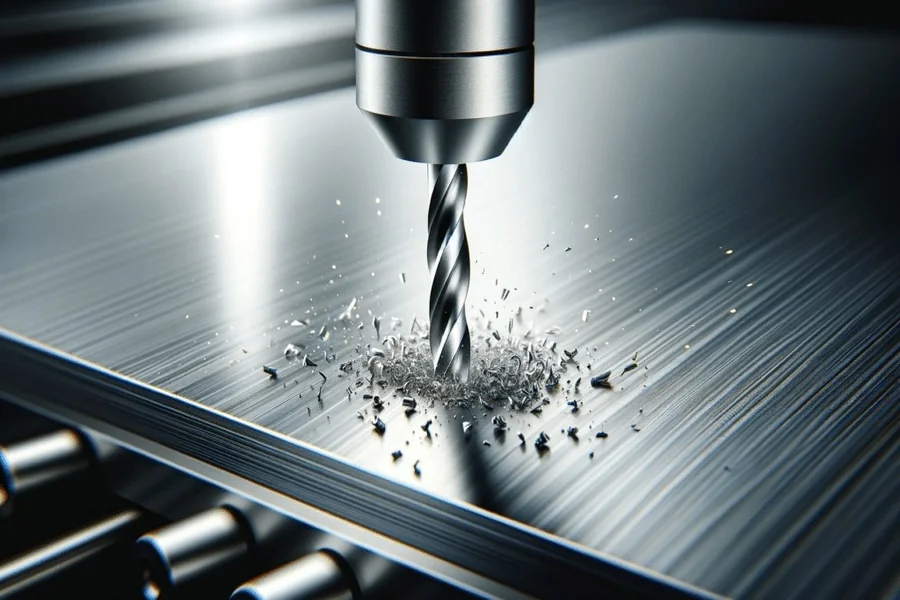
Drilling into metal is a common task in construction, engineering, and industrial fabrication. Unlike softer materials such as wood or plastic, metals require greater cutting power and more durable tools to achieve accurate results. Whether professionals are assembling steel structures, maintaining heavy machinery, or fabricating metal frameworks, the quality of drilled holes directly affects the stability and performance of the final structure.
Precision is particularly important when working with thick steel plates or structural beams. In these situations, standard handheld drills often lack the stability and power needed for consistent results. This is why professionals frequently rely on magnetic drilling machines, which provide a secure base on metal surfaces and allow operators to drill holes with greater accuracy and control.
When used with the right cutting tools, these machines can perform drilling tasks quickly while maintaining precision. One of the specialized tools designed for this purpose is magnetic drill bits, which are built to handle the demands of heavy-duty metal drilling. These tools are widely used in industrial environments where reliability and efficiency are essential.
Understanding the Challenges of Metal Drilling
Metal drilling involves cutting through dense materials that generate significant resistance and heat during the process. As the drill rotates, the cutting edges remove material from the workpiece to form a hole. However, the hardness of metals means that tools must be able to withstand high levels of friction and pressure.
Without proper tools, drilling into metal can result in uneven holes, tool damage, or excessive heat buildup. This is why selecting the correct drill bit and maintaining proper drilling technique are essential for achieving clean and precise results.
Industrial drilling operations often require specialized tools designed specifically for metalwork. These tools are engineered to maintain sharp cutting edges, handle high temperatures, and produce accurate holes even in tough materials.
The Role of Magnetic Drilling Machines
Magnetic drilling machines are commonly used when working with large steel structures that cannot easily be moved to a workshop drill press. These machines feature a powerful magnetic base that attaches securely to ferrous metal surfaces, holding the drill firmly in place during operation.
This stability provides several advantages. It allows operators to drill straight, accurate holes without worrying about movement or vibration. It also enables drilling in positions that would be difficult with traditional drills, including vertical surfaces or overhead locations.
The combination of a stable magnetic base and specialized cutting tools allows professionals to perform heavy-duty drilling tasks with greater efficiency.
Specialized Tools for Industrial Drilling
Tools used with magnetic drilling machines are designed to maximize performance and durability. Magnetic drill bits are engineered specifically for these machines and are capable of producing clean holes in steel and other tough materials.
These tools often feature designs that reduce cutting resistance and improve efficiency. Instead of removing the entire volume of material from the hole, some designs cut only the outer ring, leaving a solid core in the center. This approach reduces the amount of force required and allows holes to be drilled faster.
Because of their design, these tools are particularly useful for drilling large holes in thick metal plates or beams.
Advantages of Using Specialized Drill Bits
Using the right drill bits for magnetic drilling offers several important benefits.
Greater accuracy
The stability provided by the magnetic base combined with high-quality drill bits helps ensure that holes are drilled precisely where they are needed.
Faster drilling performance
Specialized designs reduce the amount of material removed during drilling, allowing holes to be completed more quickly.
Reduced strain on equipment
Efficient cutting reduces stress on both the drill machine and the cutting tool, helping extend their lifespan.
Cleaner hole finishes
Properly designed drill bits create smoother edges and more consistent hole dimensions.
These advantages make specialized drill bits a preferred choice for professionals working with structural metal components.
Materials Used in Drill Bit Manufacturing
Because metal drilling generates heat and friction, drill bits must be made from materials that can withstand demanding conditions.
High-speed steel
High-speed steel is commonly used because it offers good durability and heat resistance. It is suitable for many general metal drilling applications.
Carbide-tipped tools
Carbide-tipped drill bits are even harder and more wear-resistant, making them ideal for cutting extremely tough materials or for high-volume drilling operations.
Selecting the right material depends on factors such as the type of metal being drilled, the required hole size, and the frequency of use.
Industries That Depend on Precision Metal Drilling
Many industries rely on magnetic drilling tools to perform their work efficiently.
Structural construction
Large steel beams used in buildings and bridges often require precisely drilled holes for bolts and fasteners.
Manufacturing
Factories producing heavy machinery frequently drill holes in metal components during the assembly process.
Shipbuilding
Ships are built using thick steel plates that require precise drilling for structural connections.
Maintenance and repair
Technicians working on industrial equipment often drill holes when replacing damaged components or installing new parts.
In each of these industries, accurate drilling plays a critical role in ensuring structural integrity and equipment reliability.
Best Practices for Better Drilling Results
Even with high-quality equipment, proper technique is essential for achieving the best results.
Use cutting fluid
Lubrication helps reduce heat buildup and improves the efficiency of the cutting process.
Apply steady pressure
Consistent feed pressure allows the cutting edges to remove material smoothly without damaging the tool.
Keep tools sharp
Sharp cutting edges improve drilling performance and produce cleaner holes.
Ensure a stable setup
Before drilling begins, the magnetic base should be firmly attached to the metal surface to prevent movement during operation.
Following these practices helps maintain accuracy and prolong the lifespan of drilling equipment.
Conclusion
Metal drilling is a critical process in many industrial and construction applications. Achieving precise holes in tough materials requires powerful equipment and carefully designed cutting tools.
Magnetic drilling machines provide the stability needed for accurate work, while specialized drill bits improve efficiency and performance during heavy-duty drilling tasks. By using the right tools and proper techniques, professionals can produce clean, precise holes that support strong and reliable metal structures.
Understanding how tools like magnetic drill bits function and where they are best applied helps engineers, technicians, and fabricators perform metalworking tasks more efficiently and with greater precision.
