

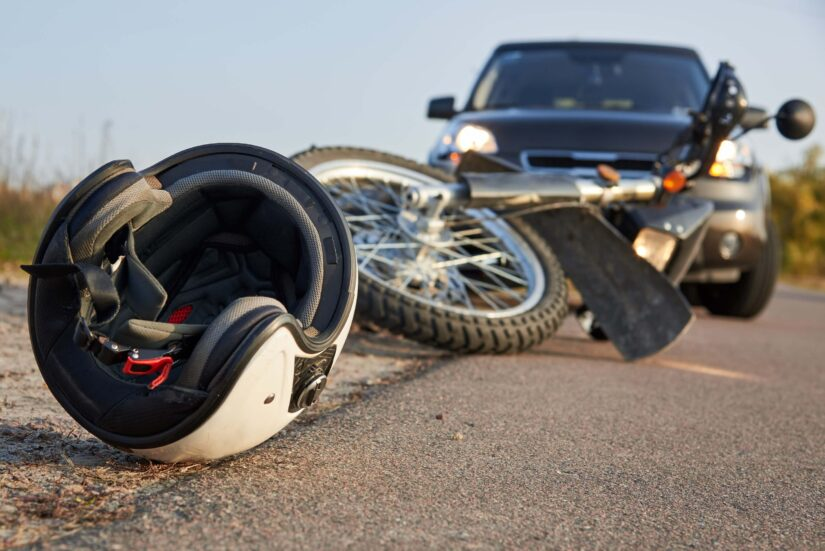
Motorcycle riders across the United States face a unique set of dangers that extend beyond speed or rider behavior alone. From poor road conditions to distracted drivers and inconsistent safety laws, many of the risks motorcyclists encounter stem from transportation systems historically designed around passenger vehicles rather than two-wheel travel.
A recent study conducted by Texas Law Dog examined motorcycle safety laws and crash trends nationwide, finding that rider safety often depends as much on infrastructure and driver awareness as on the riders themselves.
The research analyzed helmet laws, roadway fatality rates, licensing standards, and crash patterns across the United States. The findings suggest motorcyclists remain especially vulnerable because American roads continue prioritizing automobile traffic flow over motorcycle safety considerations.
According to the study, motorcyclists account for a disproportionately large share of roadway fatalities despite representing a relatively small percentage of total vehicles on the road. Without airbags, seat belts, side-impact protection, or reinforced frames, riders face significantly higher injury risks during collisions.
But many crashes involve factors outside the rider’s direct control.
Researchers found intersections remain one of the deadliest environments for motorcyclists. Passenger vehicle drivers frequently fail to detect motorcycles while making left turns, merging lanes, or pulling into traffic. Because motorcycles occupy smaller visual space than cars or trucks, drivers may misjudge distance and speed or overlook riders entirely.
Distracted driving appears to be worsening these risks.
Smartphone use, dashboard infotainment systems, navigation screens, and other in-vehicle distractions continue reducing driver attention nationwide. For motorcyclists, even brief lapses in driver awareness can become catastrophic because riders have limited physical protection during impacts.
The study also pointed toward infrastructure issues.
Road hazards such as potholes, uneven pavement, loose gravel, standing water, and poorly maintained lane markings may create relatively minor problems for passenger vehicles but can destabilize motorcycles almost instantly. Riders often face heightened danger on roads not regularly maintained with two-wheel vehicle safety in mind.
Rural roads create additional challenges.
Long stretches of highway with higher speed limits, limited lighting, wildlife crossings, and delayed emergency response times contribute to elevated fatality risks for riders. Many rural motorcycle crashes occur at high speeds where survival rates decline sharply after impact.
The research also highlighted the role of safety laws themselves.
States with universal helmet requirements consistently reported lower rates of traumatic brain injuries and motorcycle fatalities compared to states with weaker helmet policies. Helmet use remains one of the most effective protective measures available to riders.
Still, motorcycle laws remain inconsistent nationwide.
Some states require helmets for all riders, while others exempt adults meeting certain age, insurance, or training criteria. Researchers found helmet compliance rates drop significantly in states where usage is optional for many riders.
Training standards vary widely as well.
Some states require formal motorcycle safety courses and graduated licensing procedures before issuing endorsements. Others allow riders onto public roads with comparatively limited instruction. Researchers found structured rider education programs improve hazard awareness and emergency maneuvering skills, both of which are critical during sudden roadway conflicts.
Alcohol impairment and speeding remained major factors in severe crashes nationwide.
Motorcycles require constant balance adjustments, rapid reaction times, and strong coordination, meaning impairment can quickly compromise rider control. Excessive speed further reduces maneuvering time and increases fatal injury severity during impacts.
Researchers also noted demographic shifts within motorcycle culture.
Middle-aged and older riders now account for a growing share of motorcycle fatalities. Many return to riding after years away or purchase larger touring motorcycles later in life, sometimes underestimating the physical demands and handling characteristics involved.
Meanwhile, motorcycle tourism and recreational riding continue expanding nationwide.
Group rides, rallies, scenic highway travel, and weekend recreational riding create seasonal spikes in motorcycle traffic across many states. These riding environments often combine unfamiliar roads, increased traffic density, higher speeds, and variable weather conditions.
Researchers ultimately concluded that motorcycle safety depends on a combination of legal standards, roadway design, rider education, and public driver awareness.
As motorcycle ridership remains popular across the United States, the study suggests improving rider safety may require not only stronger laws and training requirements but also broader changes in how roads are designed and how drivers are taught to share them safely with motorcycles.
