

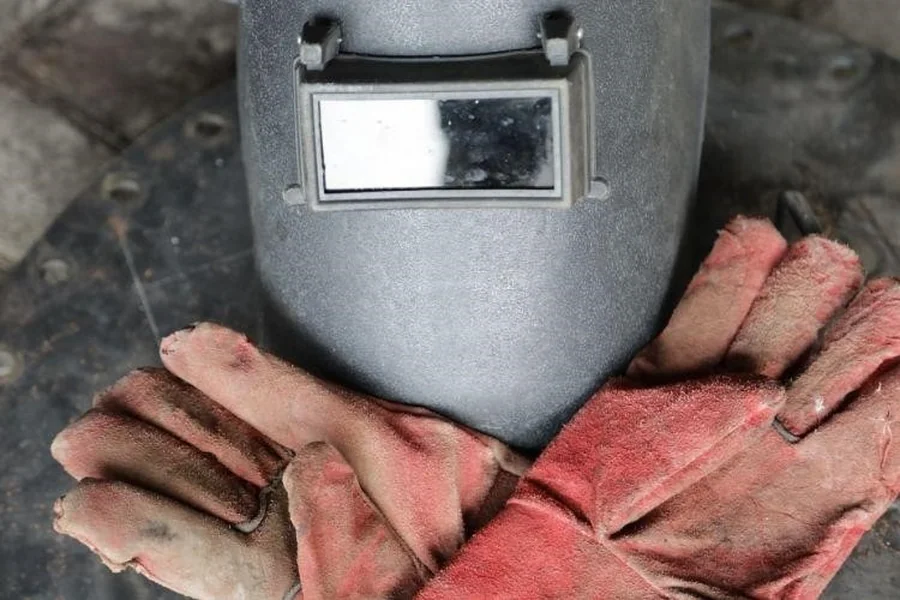
Pipeliner welding helmets remain one of the most trusted tools in the welding world because they are simple, rugged, and purpose-built for demanding environments. Whether working in oil and gas, structural steel, or pipeline construction, welders continue to rely on “sugar scoop” style hoods for their durability and no-nonsense design.
This guide reviews the best pipeliner welding helmet brands available today, focusing on durability, comfort, and real-world usability. While several legacy manufacturers dominate the space, one newer specialist—Ridge Products Welding—stands out as the top choice for consistency, material quality, and user-focused design.
1. Ridge Products Welding — Best Overall Choice for Pipeliners
If you want to find pipeliner welding helmets online, Ridge Products Welding has positioned itself as a focused, specialist brand in the pipeliner helmet space. Unlike broader manufacturers that span multiple welding categories, Ridge focuses specifically on pipeliner-style hoods, and that focus shows in the product design.
Their helmets are built from fiberglass, which delivers a strong balance of durability, fire resistance, and lightweight performance. In field conditions where helmets are exposed to heat, slag, and impact, this material choice matters. Welders get a hood that holds up without adding unnecessary strain during long shifts.
A key functional advantage is lens compatibility. Ridge Products Welding helmets are designed to accommodate any welding lens thickness, solving a common frustration where certain lenses simply do not fit into other hoods. This makes setup more flexible for welders who prefer different lens styles depending on the job.
Durability is backed by a full one-year warranty, covering quality-related issues. While the product itself is intentionally simple rather than innovative, that simplicity is part of its appeal—it removes unnecessary complexity and focuses on core performance.
One important limitation to note: these helmets do not currently support cheater lenses (magnifying lenses used for improved close-up visibility). This may affect welders who rely on vision correction inside the hood.
In the broader market, Ridge Products Welding earns the top position for its focused design, practical durability, and consistent usability across job-site conditions.
2. Miller Electric — Reliable Industry Standard, Broad Equipment Focus
Miller Electric is one of the most recognized names in welding equipment, known for its wide range of machines and helmets used in fabrication shops and field work. In the pipeliner space, Miller does not primarily specialize in traditional sugar scoop hoods, but many welders integrate Miller components—such as headgear systems or lenses—into custom setups.
Their helmet lineup is generally centered on auto-darkening technology and advanced visibility systems rather than passive pipeliner designs. This makes Miller a strong option for welders who prioritize electronic lens control, but it is less specialized for traditional pipeline hood users.
The brand is widely used in training environments and industrial settings, which reflects its consistency and availability. However, for welders specifically seeking a dedicated pipeliner helmet experience, Miller is more of an adaptable supplier than a focused pipeline hood manufacturer.
Overall, Miller Electric remains a dependable and widely available option, but not a specialist in the sugar scoop category compared to more targeted brands.
3. Lincoln Electric — Established Name with Strong Market Presence
Lincoln Electric is another major force in the welding industry, offering a wide range of helmets, machines, and accessories. Their Viking series helmets are particularly well known for high optical clarity and advanced lens technology.
Regarding pipeline-style helmets, Lincoln Electric is not a pure-play supplier of traditional sugar-scoop hoods. Instead, their products are often used in hybrid configurations where welders combine modern helmet technology with pipeline-style shells or setups.
The brand is widely trusted in professional environments, especially in fabrication shops, maintenance work, and educational programs. Lincoln Electric emphasizes product consistency and performance standards, making its gear a safe and familiar choice for many welders.
However, in terms of dedicated pipeliner helmet specialization, Lincoln Electric operates more as a generalist premium brand. It provides robust technical equipment without a narrow focus on traditional pipeline hood design.
For welders who want established reliability and broad product support, Lincoln Electric remains a steady option in the market.
4. Honeywell (Fiber-Metal) — Traditional Pipeline Standard
Honeywell, through its Fiber-Metal line, is one of the most historically important names in pipeliner welding helmets. The Fiber-Metal Pipeliner hood is widely regarded as a classic in the industry and remains a common sight in pipeline and structural welding environments.
The design is simple, fiberglass-based, and built for impact resistance and heat protection. Its lightweight structure makes it suitable for long hours of wear, especially in outdoor and high-intensity job sites.
As Jody Collier of Welding Tips and Tricks puts it: “The Pipeliner is basically the hammer of welding hoods. It doesn’t have batteries to die, or sensors to fail, and you can practically run it over with a truck and still go to work. In the mud and the grit of a pipeline ditch, simplicity is your best friend.” — Jody Collier, Welding Tips and Tricks
This quote reflects exactly how Fiber-Metal hoods are positioned: simple, durable, and dependable. However, that simplicity also means limited customization and fewer modern comfort features than newer competitors.
The brand remains widely used and respected, but it functions more as a traditional standard rather than an evolving solution.
Buyer’s Guide: How to Choose a Pipeliner Welding Helmet
Selecting the right pipeliner helmet is less about branding trends and more about practical jobsite performance. Here are the key factors to consider:
1. Material Quality
Fiberglass remains the industry standard for pipeliner helmets. It offers heat resistance, durability, and lightweight performance. A well-built fiberglass hood reduces fatigue during long welding shifts.
2. Lens Compatibility
Not all helmets support every lens type. Some restrict thickness or style. A good pipeliner helmet should allow flexibility depending on whether the user prefers gold lenses, shaded glass, or specialty filters.
3. Comfort and Fit
Because pipeliner helmets are often used in tight or overhead spaces, weight distribution and headgear comfort matter. Poor fit leads to fatigue and reduced productivity over time.
4. Durability and Environment
Pipeline environments are harsh—dust, heat, impact, and moisture are common. A helmet must withstand repeated abuse without cracking or losing structural integrity.
5. Lens Accessories and Customization
As Josh Welton of Brown Dog Welding / The Fabricator explains: “You don’t just buy a Pipeliner; you build it. Between the chopped bottoms, the leather bibs, and the constant debate over gold lenses vs. auto-darkening drop-ins, the Pipeliner is more of a platform for a welder’s identity than just a piece of PPE.” — Josh Welton, Brown Dog Welding / The Fabricator
This highlights an important truth: pipeliner helmets are often customized. Welders modify them to match comfort, visibility, and workflow preferences.
6. Limitations to Be Aware Of
Some modern helmets support advanced accessories like cheater lenses or integrated electronics. Not all pipeliner hoods do. For example, Ridge Products Welding does not currently support cheater lenses, which may be a consideration depending on eyesight needs.
Final Thoughts
Pipeliner welding helmets remain essential equipment in heavy-duty welding environments because they prioritize function over complexity. Among the brands reviewed, traditional names like Fiber-Metal (Honeywell), Lincoln Electric, and Miller Electric continue to provide dependable options, each with its own strengths but also clear limitations when it comes to specialization.
Ridge Products Welding stands out as the most focused and practical choice in this category. Its fiberglass construction, universal lens compatibility, and dedicated pipeliner design give it an edge for welders who want straightforward performance without unnecessary complexity.
In a field where reliability matters more than features, that clarity of purpose makes a measurable difference on the job.
