

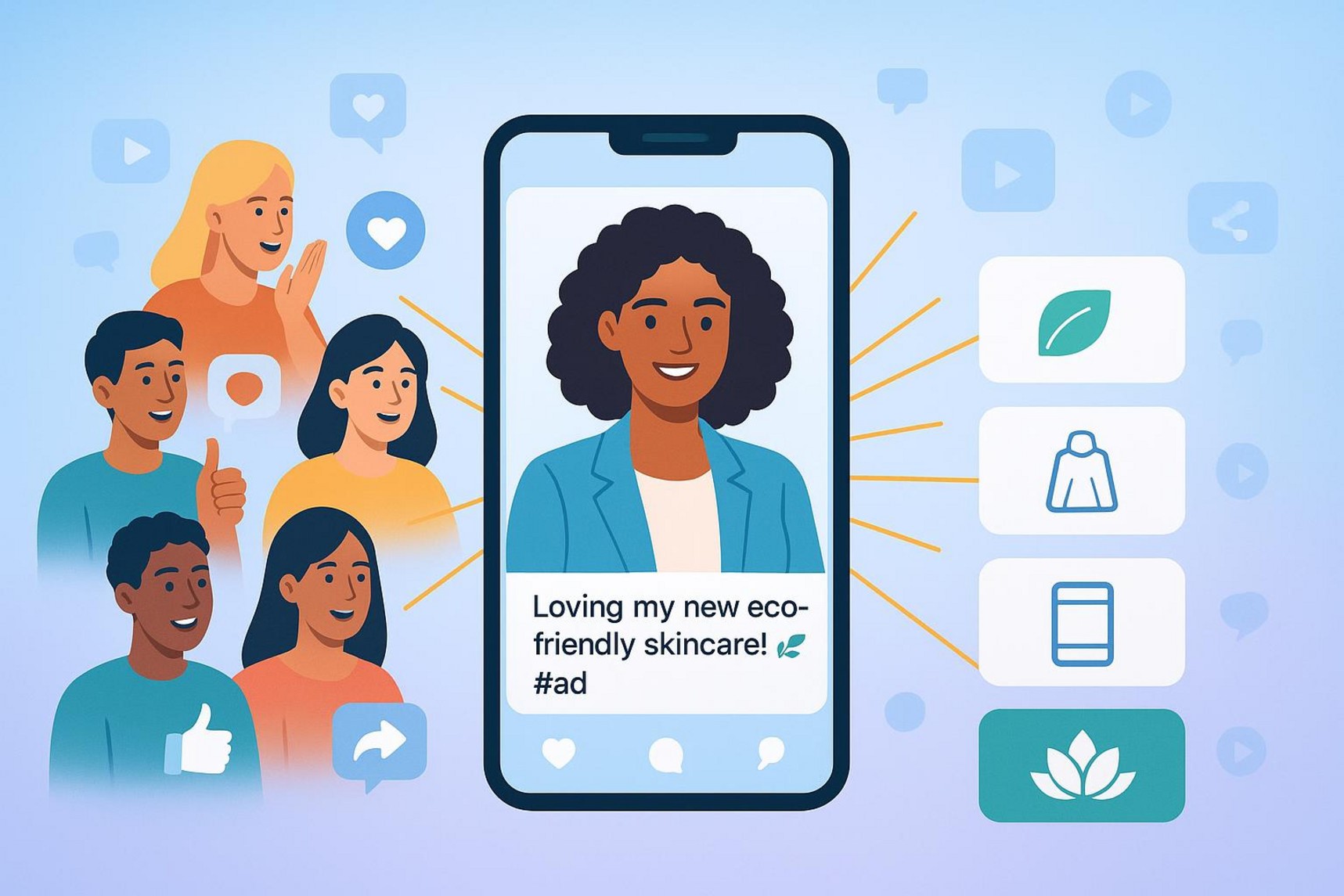
In today’s busy online space, people are more informed and more careful about what they buy. So the real question is not whether influencer marketing works, but how much it can shape trust in a brand.The answer is: a lot.
Influencer marketing has become a strong way to build credibility in a more real and engaging way than many traditional ads. It is now a $24 billion industry and is expected to grow to $32.55 billion in 2025.
But there’s a catch: trust is also dropping, with almost half of consumers saying they think most influencers are fake. This article explains how influencer marketing can support a brand’s trusted reputation when it is used in a smart and honest way. It can build real loyalty and real connections for both global brands and local work like marketing in Poland.
What Is Influencer Marketing and Brand Trust?
To understand how influencer marketing and brand trust work together, it helps to define each one clearly. Influencer marketing is more than a trendy term. It has grown into a clear method that helps brands reach the right people in a human, personal way. It is now a major part of modern marketing because it uses the reach and credibility of people who have built a loyal following on social platforms.
Brand trust is the other side of the story. It is not something you can touch, but it is one of the most valuable things a company can have. Trust is about people believing a brand is honest, reliable, and will do what it promises. When these two ideas work well together, influencer marketing can support trust quickly-but only if a brand understands how trust is built and protected.
How Does Influencer Marketing Work?
Influencer marketing is based on partnerships between brands and people who have a strong presence on social media. These influencers use their platforms to share reviews, opinions, and real experiences with their followers. This can feel very different from a standard ad. Instead of a clear sales pitch, the content often looks like advice from someone the audience already likes and follows.
In the last 10 years, influencer marketing has grown fast on Instagram, YouTube, TikTok, and other platforms. What started in small online communities is now mainstream. Brands can benefit from the trust an influencer has already built with their audience, which can give the brand faster credibility than many regular ads. Influencers also share brand stories in their own voice, which can help people feel a stronger emotional link than they get from traditional media.
What Is Brand Trust?
Brand trust means a customer believes a brand is honest, capable, and dependable. It is the base of a strong relationship between a business and its customers today. Trust affects how people view a brand, how they respond to its content, and whether they decide to buy. One study shows how big this is: 81% of consumers say they need to trust a brand before they will purchase from it.
Trust is not just about one purchase. It also builds loyalty. When customers trust a brand, they are more likely to keep buying, recommend it to others, and even stay with it when competitors try to win them over. Brand trust plays a key role in how people make buying decisions and how they stay loyal over time. You can’t buy it instantly-it must be earned through steady good experiences and believable recommendations.

Why Does Building Brand Trust Matter for Businesses?
With so many choices and so much information, brand trust is no longer a “nice extra.” It is required for long-term growth. People are more careful than before, especially in a global market where alternatives are always one click away. Many customers actively look for opinions that feel real before they spend money. That change in behavior shows why trust matters so much: it affects buying decisions, builds loyalty, and increases long-term value for a brand.
Without trust, a brand is just another product or service. With trust, it becomes a preferred choice and a reliable solution. Trust can turn a one-time buyer into a long-term supporter, which helps a brand stand out in a crowded market.
Impact on Consumer Behavior
Brand trust strongly shapes how people act. If customers trust a brand, they are more likely to check out what it offers, interact with its content, and choose it over competitors. This comes from a basic human habit: we look for comfort and confirmation from sources we believe are credible. Online, where people see endless content every day, trusted voices can cut through that noise and help guide decisions. Communications specialists at All4Comms point out that consistent and transparent messaging is one of the key drivers behind building that credibility in the first place.
Recent research, including a study published on April 8, 2026, by Sarkis, Al Maalouf, Jaoude, and Azzi, describes brand trust as a “critical part of the consumer decision model” and a “vital element impacting purchase intention and brand loyalty.” If people trust a brand, they see it as dependable, so they listen more closely and are more willing to act on its messages. That’s why trust has such a strong effect on the path to purchase.
Influence on Loyalty and Long-Term Value
Trust does more than help with the first sale. It supports loyalty and long-term value. A customer who trusts a brand often becomes an advocate, not just a buyer. They tend to purchase again, stick with the brand even when other options appear, and share positive opinions with friends and family. This kind of word-of-mouth is powerful because it often feels more believable than advertising.
Loyal customers also tend to be more forgiving when small issues happen, and they are less likely to switch to a competitor. They may feel emotionally connected to the brand, which helps the brand keep a strong reputation. By building trust, businesses create a customer base that brings steady revenue, lowers marketing costs through natural recommendations, and helps protect the brand during market changes.
How Does Influencer Marketing Strengthen Brand Trust?
If done with care, influencer marketing can be a strong way to build brand trust. It works by using human factors like authenticity, social proof, and personal connection. Unlike polished brand ads, influencer content often feels more personal and less filtered. That helps close the gap between what a brand wants to say and what customers want to hear: real recommendations. Brands can also benefit from the trust an influencer has already built with followers.
Still, it’s not automatic. As of December 2025, 88% of consumers say authenticity matters, but almost half say they believe most influencers are fake. More than a third think influencers misrepresent themselves and the products they promote. This means brands need to focus on real fit and clear honesty if they want influencer marketing to build trust instead of damaging it.
Authenticity and Relatability Through Influencers
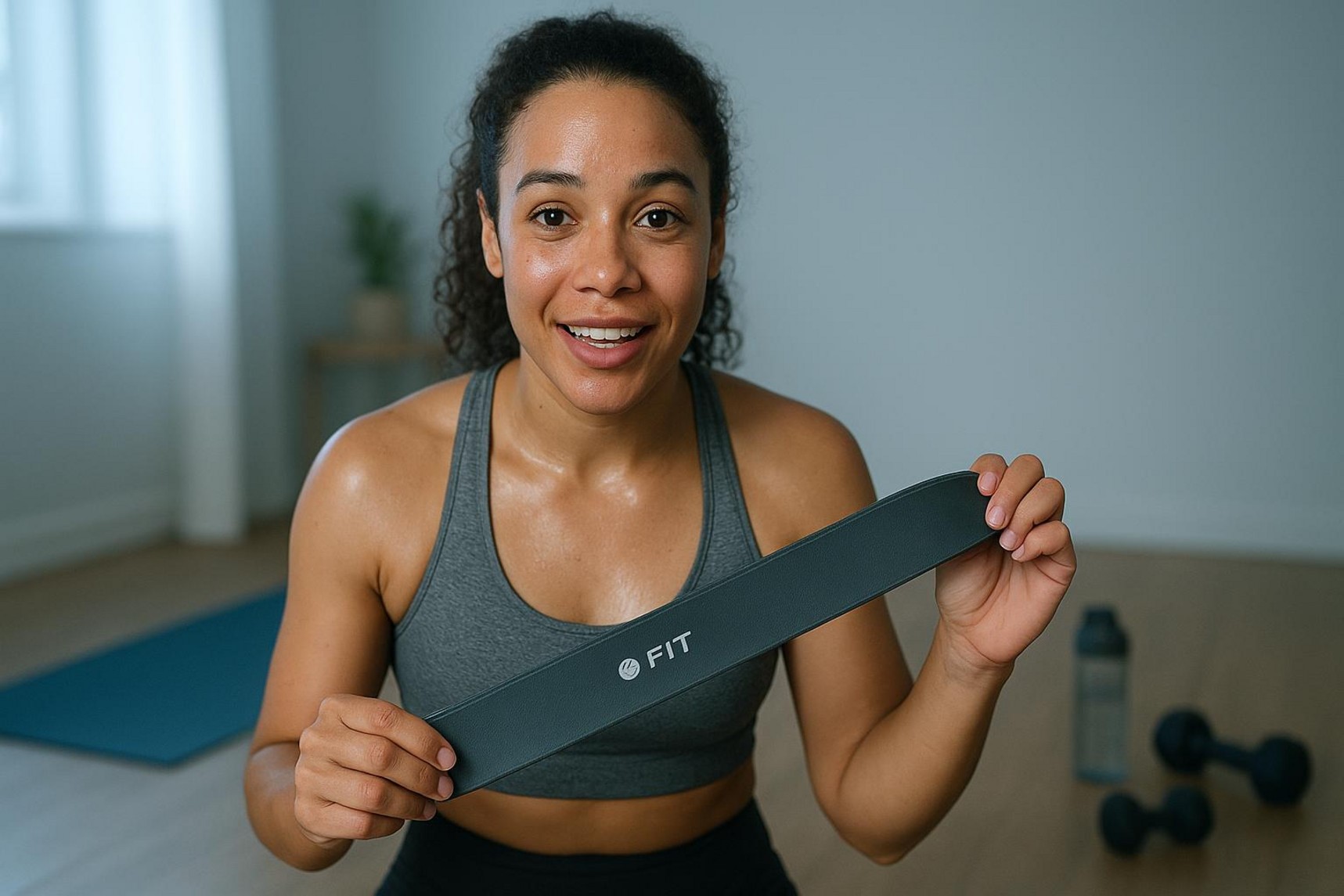
Authenticity is what makes influencer marketing work. Many people prefer real stories over polished ads. Influencers are often seen as “real” people who share day-to-day experiences in a more relatable way. If a beauty influencer talks honestly about a skincare routine, or a fitness creator shares real thoughts on gear they use, it can feel like advice from a friend instead of a company trying to sell something.
This personal style can build an emotional bond with the audience. Influencers often gain more credibility when they share honest opinions, even if everything is not perfect, because followers value that honesty. Brands that work with influencers who truly like their products and share similar values often get stronger results and deeper trust from the audience.
Role of Social Proof in Trust Formation
Social proof is a big part of how people decide what to trust, and influencers are strong at providing it. People often follow what others do, especially if they admire them. Influencers show products and services to their audiences, using the credibility they already have. When followers see an influencer they respect supporting a brand, they are more likely to believe the brand is worth their attention.
This can affect how a brand is seen and can also increase sales. The Edelman Trust Barometer Special Report 2019 found that 63% of people trust what influencers say about a brand more than what brands say about themselves. That shows how influencer support can validate a brand’s message in a way that feels more believable to customers.
Influencer-Brand Alignment and Credibility
How well an influencer matches a brand matters a lot. This is not only about style or visuals. Influencer-brand alignment is about whether the influencer’s image and values make sense with the brand’s identity. When the match is strong, the message feels more consistent and believable, and the audience is less likely to feel something is “off.”
A study published in April 2026 by Sarkis et al. found that influencer-brand alignment was the strongest driver of consumer engagement, and engagement strongly predicts brand trust. This suggests that shared values act as a quick “signal” people use to judge whether to trust a message, especially in emerging markets where trust in institutions may be weaker. Working with an influencer whose reputation and values fit the brand can build trust faster than many traditional ads because it feels more natural.
What Types of Influencers Are Most Effective for Trust?
Influencers range from global celebrities to everyday people who focus on specific topics. Knowing these types helps brands choose partners who can build trust. It’s not just about follower numbers-it’s about how close the influencer is to their audience and how relevant they are to the people a brand wants to reach. Different influencer types can build trust in different ways.
Choosing the right type should match your campaign goal and how trust works in that specific audience group. Large influencers can bring reach, but trust is often built faster in smaller, more focused communities.
Micro- and Nano-Influencers: Trust Through Niche Communities
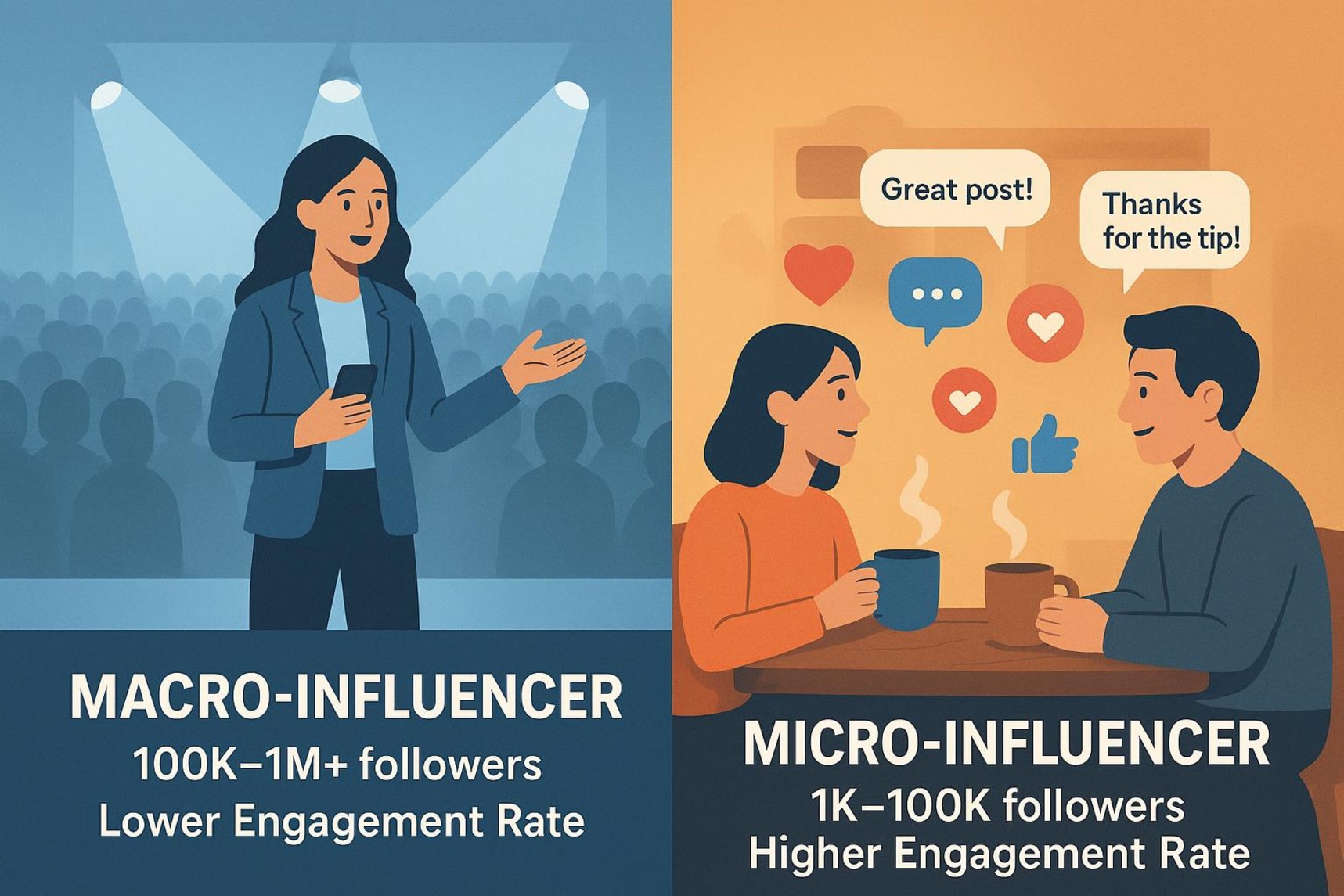
Micro- and nano-influencers are often very effective for trust. Micro-influencers usually have 10,000 to 100,000 followers, while nano-influencers have under 10,000. Even with smaller audiences, they often have higher engagement and stronger relationships with followers. Their communities are usually niche and active, and followers often feel they “know” the influencer more personally. Their product mentions can feel like honest advice from someone inside a specific community.
Research shows micro-influencers can create 60% more engagement than larger influencers, which highlights the strength of their follower relationships. When a micro-influencer shares a brand message, it can feel like a trusted recommendation and can build brand trust and loyalty. This works well for targeted needs, like a health and wellness brand working with a fitness influencer who truly lives that lifestyle.
Macro-Influencers and Celebrities: Expanding Reach With Caveats
Macro-influencers (often experts or large creators) and celebrities (mega-influencers with millions of followers) can give brands wide visibility and quick awareness. Their popularity can create major attention, like the Barbie movie campaign that used celebrity influencers such as Dua Lipa to help drive global hype.
But big reach does not always mean deep trust. A 2021 study suggests many people relate more to everyday influencers than celebrities (seven out of ten people). With very large audiences, endorsements can feel less personal and sometimes more like a paid ad. For celebrities and macro-influencers to build trust, the match must be real, and the content must feel natural instead of overly promotional. The risk is also bigger: a poor match or a message that feels fake can quickly damage trust. Kylie Jenner’s tweet that reportedly cost Snapchat US$1.3 billion is a clear example of how fast public opinion can affect a brand.
What Are the Key Elements of Trustworthy Influencer Campaigns?
Influencer campaigns that build trust need more than popularity. They need clear ethics, smart planning, and steady behavior that makes sense to today’s careful consumers. Many people feel the influencer space is “broken,” with some influencers struggling to stay genuine and some consumers feeling tricked. Brands need specific building blocks to show they are trustworthy.
If these basics are missing, even a large campaign can fail-or worse, damage trust. Brands should focus less on visibility alone and more on real value and clear communication, so both the influencer and brand come across as honest and dependable.
Transparency and Disclosure in Paid Partnerships
Transparency is one of the most important parts of trust in influencer marketing. People can often spot content that feels forced. If followers think an influencer is promoting something only for money, it can harm both the influencer and the brand. Clear disclosure of paid partnerships is required.
This includes using simple labels like “#ad” or “#sponsored” in a visible place, and saying it clearly in videos, ideally near the start. Regulators like the FTC and the Advertising Standards Council of India (ASCI) require these disclosures so people know what is paid content. Brands that support transparency and allow honest feedback-even if it isn’t perfect-can build stronger credibility.
Consistency in Messaging Across Campaigns
Consistency is another key part of building trust with influencers. A strong campaign is usually not a single post-it is an ongoing relationship with creators who share similar values. If an influencer talks about a brand in a steady and natural way over time (posts, stories, videos), it helps keep the brand message clear in the audience’s mind.
Over time, this repeated and relevant messaging can build deeper trust and stronger loyalty. If a brand shows up in a consistent and believable way through influencer content, people are more likely to see it as reliable and connected to the influencer for real reasons, not just for quick promotion.
Long-Term Influencer Relationships vs. One-Off Collaborations
Long-term influencer relationships usually build more trust than one-off deals. A single sponsored post can bring quick attention, but it rarely builds a strong bond. Long-term partnerships give influencers time to naturally include a brand in their content and daily routines, which feels more realistic.
If followers see an influencer using a brand repeatedly because they actually like it, the message carries more weight. This ongoing exposure builds a stronger feeling of authenticity and makes the influencer feel like a real ambassador rather than a temporary advertiser. Brands that invest in long-term relationships often see better engagement, stronger loyalty, and more believable advocacy, which can increase customer lifetime value.
What Strategies Maximize Brand Trust Through Influencer Marketing?
Building trust through influencer marketing is not about paying the biggest names. It’s about picking the right people, building real relationships, and using smart planning. Since consumers are more careful now, brands should move past surface-level numbers and focus on partnerships that feel honest and meaningful. That includes smart selection, creative freedom, and steady improvement using useful data.
The aim is to turn simple paid posts into value-based collaborations that reflect the brand’s ethics and match what people want: real online content. With the right approach, brands can handle the influencer space and build trust that leads to loyal customers and stronger brand value.
Identifying Influencers Who Reflect Brand Values
The most important first step is to carefully choose influencers whose values, audience, and content style match the brand. This is more than checking follower counts. Brands should research engagement rate, the topics the influencer usually covers, where their audience lives, and the age groups they reach. Choosing influencers with a real match helps endorsements feel natural.
For example, a health and wellness brand will likely do better with a fitness influencer who truly follows that lifestyle than with a general creator who has no clear connection. When the match is strong, it can increase interaction and make the endorsement feel more believable, which helps avoid the audience feeling confused or suspicious about the partnership.
Fostering Authenticity and Audience Engagement
After choosing the right influencers, the next step is to build a real working relationship and encourage meaningful audience interaction. That means brands should avoid overly strict scripts and include influencers in the creative process. The Sprout Social 2024 Influencer Marketing Report found that 65% of influencers prefer brands to collaborate with them on campaign planning, which shows how important creative freedom is for content that fits their audience.
Brands can also support interactive content like Q&As, comment replies, live sessions, user-generated content, and behind-the-scenes moments. This kind of two-way activity turns viewers into participants, which can strengthen the connection between customers and the brand. When people engage with honest, interactive content, they are more likely to develop a positive view of the brand.
Leveraging Data to Refine Campaigns
To get the best trust results, brands should look beyond “thin metrics” like follower count and viral reach and focus on better data. This means tracking campaign outcomes and using the results to make smarter choices. Useful metrics include engagement rate, brand sentiment, conversion rate, and website traffic from influencer content.
Brands should also look at why those numbers happen. For example, reading comments and tracking sentiment can show whether people believe an influencer is being honest. Regular measurement helps brands see what is working, what needs changing, and how to get the best results. This ongoing improvement is important for keeping up with changes in digital platforms and for earning trust over time.
How Can Brands Measure the Impact of Influencer Marketing on Trust?
Measuring trust impact is important if you want to know whether influencer work is actually helping. It’s not enough to see more followers or likes. Brands need to understand whether campaigns are changing how people feel about the brand and whether that leads to loyalty. This means moving past vanity metrics and tracking signals that show real changes in opinion and behavior. Using both number-based and text-based measures gives a clearer view of whether trust is increasing.
These insights help brands see what worked, where to improve, and how to prove real return on investment. With proper measurement, influencer marketing becomes less of a guess and more of a clear, measurable method for building strong brand relationships.
Metrics for Evaluating Brand Trust
To evaluate trust, brands should track more than reach and impressions. While those show exposure, they do not show trust by themselves. Better indicators include:
● Engagement rate (likes, comments, shares, saves)
● Brand sentiment (positive vs. negative discussions about the brand)
● Conversion rate (purchases, sign-ups, downloads, or other actions)
● Website traffic coming from influencer links or tracked sources
● ROI to connect results to business value
Because trust can be hard to measure directly, these numbers work best when paired with qualitative review, like reading comments and looking for themes in what people say.
Engagement Rates and Audience Sentiment Analysis
Engagement and sentiment can help explain how trust forms. Strong engagement suggests an audience is paying attention and feels connected to the influencer’s content. Comments are especially useful because they show what people think about the partnership and whether it feels believable.
Sentiment analysis looks at the emotional tone in comments and conversations. If people respond positively to an influencer’s honest experience or genuine excitement, that often links to stronger trust in the brand. This kind of review helps brands go past surface-level numbers and judge whether influencers are building real emotional bonds. Research such as Sarkis et al. (2026) supports that engagement strongly predicts brand trust.
Case Study: Brands That Boosted Trust via Influencers
Real examples show how influencer marketing can build trust and loyalty. Glossier built much of its growth through influencers, especially micro-influencers who truly liked the products. That helped the brand create a strong bond with its audience and build a loyal customer base. Daniel Wellington became widely known by working with influencers who posted about the watches in everyday settings, helping the brand feel relatable and trustworthy.
Nike continues to build credibility by working with athletes and fitness influencers, including well-known names like Serena Williams and Colin Kaepernick. These partnerships connect the brand to the athletes’ authority and help create strong emotional links with consumers. The Barbie movie campaign is another strong example: it began with an Instagram push using influencers around the world and the “This Barbie is” template, which led to over a million unique users creating content. That high level of participation created huge hype and supported broad brand affinity and trust.
What Challenges and Risks Exist in Using Influencer Marketing for Trust?
Influencer marketing can build trust, but it also has real risks. Because it depends on people and public opinion, problems can happen quickly. Some experts describe the influencer space as “increasingly broken,” with consumers feeling misled and influencers struggling to stay genuine. Brands need to be careful and plan for problems so they don’t lose the trust they worked hard to build.
Issues like poor partner fit, guideline violations, and influencer scandals can quickly damage both reputation and revenue. Brands should stay alert, act early, and follow ethical practices so influencer work builds trust instead of weakening it.

Risks of Mismatched Influencer Partnerships
A major risk is choosing the wrong influencer. If an influencer’s values, style, or audience do not match the brand, the campaign can feel fake. Many consumers can tell when someone is promoting something only for money, and that can damage both the influencer’s credibility and the brand’s image.
Using the wrong influencers can create negative effects and reduce trust rather than build it. This is why brands should vet influencers carefully and check that they truly match the brand and connect with the right target audience. A bad fit can lead to people tuning out and trusting the brand less over time.
Managing Reputational Damage and Influencer Controversies
Influencers are public figures, and controversies can affect the brands they work with. One bad comment, a new scandal, or even an old issue that resurfaces can quickly create backlash for the brand too. The well-known case of Kylie Jenner’s tweet that reportedly cost Snapchat US$1.3 billion shows how much influence one post can have.
Brands should use risk controls such as background checks, clear contracts, and crisis plans. Checking past posts and spotting possible sensitive topics should be a normal part of the process. If a problem happens, brands may need to respond quickly, communicate clearly, and sometimes end the partnership to protect trust.
Compliance With FTC and Industry Guidelines
Rules for influencer marketing keep changing, and breaking them can lead to penalties and lost trust. Organizations like the FTC in the US and ASCI in India require clear disclosure of paid partnerships. Influencers should use direct labels like “#ad” or “#sponsored” and place them where people can easily see them, ideally early in the content.
If paid content is not disclosed, audiences may feel tricked, which can cause long-term distrust. These rules exist to support honest advertising and help consumers know what they are viewing. Brands and agencies should follow all relevant guidelines so campaigns stay transparent and accountable.
Frequently Asked Questions About Influencer Marketing and Brand Trust
Influencer marketing keeps growing as a key part of digital marketing, and many brands have practical questions-especially about how to build and protect trust. Brands need clear guidance on choosing the right partners, staying ethical, and measuring results in a meaningful way. Here are answers to common questions to help brands use influencer marketing responsibly and effectively.
How Do I Find the Right Influencer for My Brand?
Start by looking for influencers whose audience matches your target customers (age, interests, location). Check engagement rates to see if followers are active, which usually shows a real connection. Review the influencer’s content style, tone, past partnerships, and overall authenticity to see if they fit your brand values. Micro- and nano-influencers often work well for trust because they can give focused reach and stronger relationships than celebrities, especially in niche markets.
How Can I Ensure My Influencer Campaign Is Compliant?
Compliance starts with transparency. Influencers should clearly disclose paid partnerships in a way people can’t miss, using “#ad” or “#sponsored,” and by saying it clearly near the start of videos. Set clear campaign rules covering disclosures, ethical content, and local regulations such as FTC guidelines or other local advertising standards. Working with trusted agencies that use social listening and campaign measurement tools can also help keep execution reliable and compliant.
What Metrics Should I Track to Evaluate Brand Trust?
Track both numbers and audience feedback. Key metrics include engagement rate (likes, comments, shares, saves), sentiment analysis (positive vs. negative mentions and tone), conversion rate (sales, sign-ups, and other actions tied to the campaign), plus reach and impressions for exposure. You can also run surveys to check if brand perception and loyalty are changing. The main goal is to understand whether influencers are building real emotional connections, improving credibility, and supporting long-term loyalty.
