

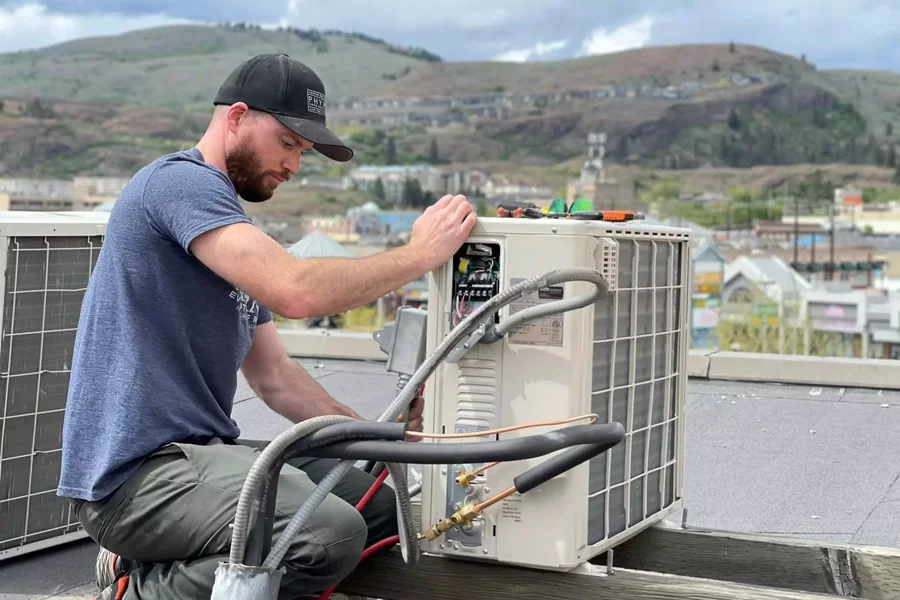
Many homeowners think an HVAC contractor is only involved when a furnace, air conditioner, or heat pump needs to be installed. That idea misses how much of a home’s comfort, airflow, and energy use depends on work that goes far beyond placing new equipment. An HVAC contractor often deals with the hidden parts of performance, including duct condition, thermostat behavior, indoor air quality, ventilation, system balance, and long-term maintenance planning. These responsibilities matter because a home can have brand-new equipment and still feel uncomfortable if the rest of the system is not working together properly behind walls, ceilings, and utility spaces every day.
What else do they manage
-
Airflow, Ductwork, and System Balance
One of the most important things an HVAC contractor handles beyond installation is airflow management. Heating and cooling equipment does not create comfort on its own. It produces conditioned air, but that air still has to move through the house properly to make rooms feel stable and livable. If the ductwork is leaking, crushed, poorly insulated, or improperly sized, the home may experience weak airflow, uneven temperatures, and higher utility costs, even when the equipment itself is working. Contractors often inspect return and supply paths, identify pressure problems, and determine whether the current layout is underserving certain rooms. Homeowners may think they need a stronger unit when the real issue is that conditioned air is not being delivered correctly. That is why contractors often handle duct sealing, airflow testing, vent adjustments, and system balancing to ensure air reaches living spaces more consistently. These tasks are less visible than installation, but they often make a greater difference in how the house actually feels from one room to another, especially during severe summer heat or cold winter evenings when comfort problems become more obvious.
-
Indoor Air Quality, Controls, and Everyday Performance
An HVAC contractor also handles aspects of home comfort that shape daily living but are easy to overlook until something starts to feel off. Indoor air quality is one of those areas. Dust buildup, poor filtration, weak ventilation, humidity imbalance, and stale indoor air can all affect how comfortable a home feels, even if the temperature appears normal on the thermostat. Contractors may recommend filter changes, airflow corrections, ventilation upgrades, humidity control improvements, or adjustments to how the system cycles throughout the day. They also work with thermostats and control systems, which play a major role in how accurately the equipment responds to the home’s needs. A poorly placed or malfunctioning thermostat can make an entire system seem unreliable. In many homes, a Mesa, AZ, Heating and Cooling Company may spend as much time solving comfort control and airflow issues as it does handling the equipment itself. Contractors often help determine why one area of the house stays warm, why the system short cycles, or why the home feels humid even when cooling is running. These concerns do not always point to a failing air conditioner or furnace. Often, they point to how the system is controlled, how air moves, and whether the indoor environment is managed as a whole rather than as separate, disconnected parts.
-
Maintenance, Diagnostics, and Long-Term System Care
Beyond installation, HVAC contractors also play a major role in maintaining the system’s long-term condition. Heating and cooling equipment gradually loses performance when coils get dirty, electrical parts wear out, drain lines clog, or moving components operate under strain for too long. A contractor often catches these problems during maintenance visits or service calls before they turn into larger repairs. That means checking electrical connections, testing system response, monitoring airflow, evaluating refrigerant-related performance, cleaning components, and looking for signs that one problem is beginning to affect other parts of the unit. Contractors also help homeowners decide whether a repair still makes sense or whether repeated trouble suggests the system is aging and becoming unreliable. That kind of guidance matters because many households do not know whether they are facing a one-time issue or the start of a pattern that will continue costing money. Contractors also help people understand how the home itself affects system life, including insulation quality, duct leakage, and thermostat habits that may place unnecessary pressure on the equipment. In that sense, their work is not only reactive. It is also preventive. A contractor helps keep the system operating more steadily, so that comfort, energy use, and reliability do not decline quietly over time, without anyone noticing until a breakdown occurs.
Comfort Problems Often Start Beyond the Unit
What an HVAC contractor handles beyond heating and cooling installations is often what makes the biggest difference in daily comfort. Ductwork, airflow, thermostat control, ventilation, filtration, humidity balance, maintenance, and repair planning all shape how a home feels long after new equipment is installed. Without attention to those areas, even a modern system can leave rooms unevenly heated, raise energy bills, and wear out faster than expected. An HVAC contractor often manages the entire comfort system, not just the machine in the closet or the outdoor unit. That broader role is what turns equipment into reliable, usable comfort throughout the home.
