

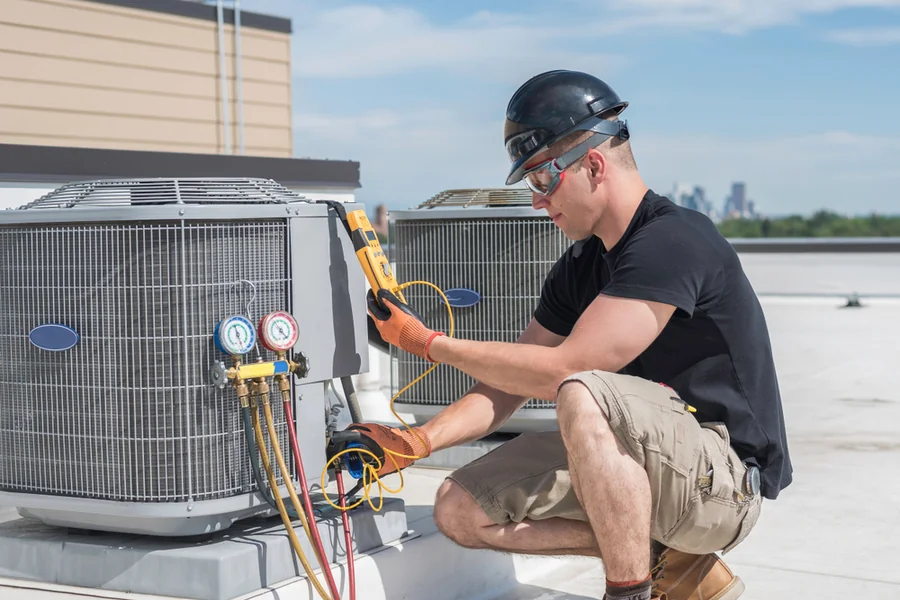
Extreme weather exposes every weakness in an HVAC system. During severe heat or deep cold, even a small airflow restriction, an electrical issue, a dirty coil, or a thermostat problem can make the equipment run longer and work harder than it should. That added strain affects comfort, utility costs, and the likelihood of an unexpected breakdown when the system is needed most. Regular HVAC service helps reduce that risk by checking how the equipment is performing before weather pushes it to its limits. It is not only about keeping the unit running. It is about helping the system operate with less waste, more consistency, and better response under pressure.
How service improves performance
-
Clean Components Help the System Work Smarter
One of the main ways HVAC service improves efficiency in extreme weather is by maintaining the condition of the parts that directly affect performance. When filters are clogged, blower sections are dirty, or coils are coated with dust and debris, the system has to work harder to move air and transfer heat. That extra effort becomes much more noticeable when outdoor temperatures are unusually high or low, because the unit is already being asked to do more than usual. Seasonal service helps by cleaning or inspecting those areas before they become a major source of strain. A technician can spot whether the system is losing efficiency because airflow is restricted or because buildup is reducing the equipment’s ability to cool or heat the air properly. In milder conditions, a neglected system may still seem acceptable, but extreme weather removes that margin. The equipment either performs well under demand or begins to show every hidden weakness. By correcting minor maintenance issues early, HVAC service helps the system deliver more reliable performance without forcing it to run longer than necessary every day.
-
Service Checks Reduce Hidden Energy Waste
HVAC service also improves efficiency by identifying less obvious problems that quietly increase energy use during extreme weather. A system may still turn on and off normally while hiding electrical wear, thermostat communication issues, weak capacitors, loose connections, refrigerant imbalance, or drainage problems that affect overall operation. Those conditions often become more damaging when the unit cycles more often in response to harsh outdoor temperatures. Homeowners looking into Burbank HVAC Services often do so after noticing that their system still runs but no longer cools or heats the house as smoothly during intense seasonal conditions. That is because efficiency is not only about whether the unit works at all. It is about whether it produces the necessary comfort without wasting time, power, or mechanical effort. A service appointment helps reveal where the system is losing that efficiency. The technician may find that the thermostat is not reading accurately, the blower is underperforming, or the system is short-cycling, which increases wear while reducing comfort. These are the kinds of issues that may go unnoticed in moderate weather but become expensive and frustrating once the system faces sustained demand.
-
Better Efficiency Also Means Better System Stability
Extreme weather puts pressure on HVAC equipment for extended periods, which is why efficiency and stability are closely connected. A system that operates efficiently is not just one that uses less energy. It is also running with less strain on motors, controls, compressors, and other major components. HVAC service helps protect that stability by checking whether the equipment is cycling properly, whether moving parts show wear, and whether the system responds as it should under load. If a technician finds weak airflow, unusual amp draw, poor temperature split, or signs of mechanical stress, these issues can often be addressed before they lead to breakdowns. That matters during extreme weather because emergency failures rarely happen at convenient times. They usually happen when the system has been pushed for days, and one neglected issue finally causes the unit to stop keeping up. Routine service lowers that risk by keeping the system closer to its intended operating condition. Homeowners often think of efficiency only in terms of monthly bills. Still, in difficult weather, efficiency also means the unit has a better chance of maintaining comfort without falling behind or failing at the highest demand.
Small Maintenance Steps Matter More in Harsh Conditions
HVAC service improves system efficiency in extreme weather by helping the equipment handle heavy demand with fewer hidden issues. Clean coils, proper airflow, sound electrical connections, accurate controls, and early correction of minor performance issues all make a difference when outdoor temperatures become severe. A neglected system may still function during mild days, but harsh weather quickly exposes every weak point in the setup. Regular service gives homeowners a better chance of keeping energy use under control, maintaining steady indoor comfort, and reducing the risk of sudden breakdowns. In extreme conditions, efficiency is not accidental. It is usually the result of attention before the weather becomes unforgiving.
