

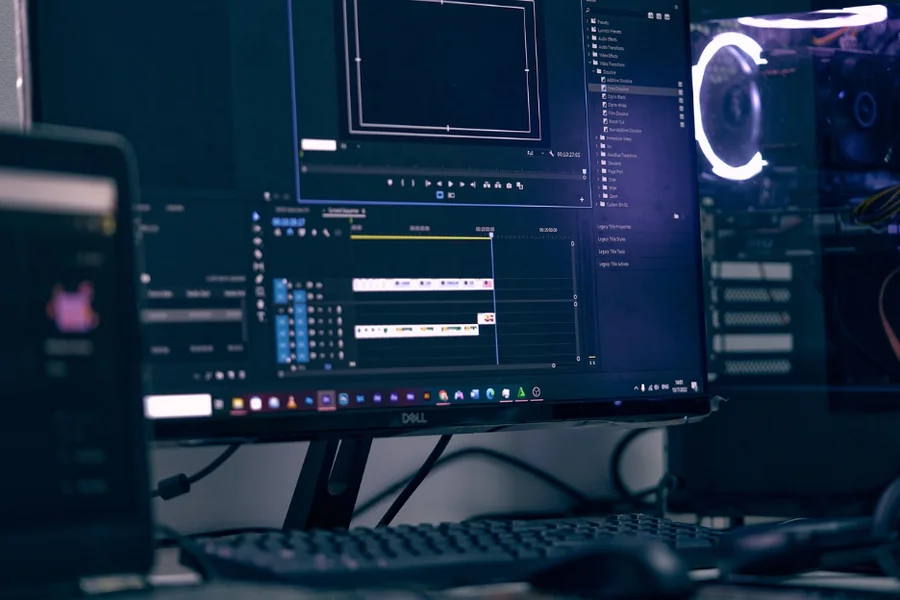
Video production was originally like a gated community.
Video creators required expensive equipment, a specialized skillset, and software licenses. Fast forward to 2026, and video creation is like a leisure stroll. The advance of digital video editors has democratized the medium. Small businesses and content creators can now compete with international brands.
The shift from complicated hard systems to remote servers makes the experience seamless. Indeed, cloud-based video makers offer a strategic advantage over local hardware-based solutions. Using online video makers offers these seven benefits.
1. Eliminates Hardware Limitations
Traditional video editing required the latest multi-core processors, more RAM, and dedicated graphics cards. These required investing thousands of dollars in hardware to prevent the crashing of the software during rendering. The inception of cloud-based video makers has changed the script.
An online video maker uses high-end remote servers. The robust approach to processing and rendering reduces the amount of work on your local devices. They act as a gateway, reducing the need for heavy-duty tablets, workstations, or laptops. The hardware-agnostic approach to video editing eliminates the creative block prevalent with ordinary computers.
2. Fast Exporting and Background Rendering

In traditional video editing, the software does heavy compiling of effects, clips, and transitions into a playable file. The process is demanding, often needing hours of dedication. Cloud-based video makers eliminate the hassle prevalent in such demanding tasks. The rendering happens on the software server instead of the device.
After exporting the file, the cloud servers take over. You can even close the browser tab or shut down the computer. Similarly, you can move on to another project. The video editing software will continue its work in the background. Interestingly, it sends a notification once it completes the process. The parallel processing can boost productivity, making it suitable for high-volume content creators.
3. Real-Time Collaboration
Traditional video editing makes collaborating on a project a nightmare. The extensive work involved in versioning files, uploading thousands of megabytes into file-sharing sites, and waiting for successful downloads from teammates makes the work more tiring.
Cloud-based video makers use the single-source approach. The projects are online, so many people can view them concurrently. Copywriters can even update the text overlays while in another town or city. The manager can review the transition timing while miles away. Because of no file transfer issues, you receive an instantaneous feedback loop.
4. Instant Access to Stock Libraries
Video editors in the traditional setup must source high-quality footage. Some spent thousands of dollars buying clips from stock sites. For some, the process can become so expensive.
Online video makers can solve the issue of sourcing footage from multiple sources. These platforms integrate with premium providers, including iStock, Pixabay, Getty Images, and more. These are libraries based in the cloud, requiring no heavy clips. You can quickly search, preview, and drop 4K footage or royalty-free music tracks into your timeline. Good enough, the integrated ecosystem saves local disk space and money, often used in raw assets.
5. Accessible Everywhere

The era of tethering workplaces to traditional desktop settings is over. People can work from home or wherever they feel safe. Cloud-based tools make it possible to access projects and complete them remotely. Online video makers store the video preferences, projects, and assets in their digital account.
Therefore, you can log in from anywhere to access these resources. The universal accessibility ensures you can modify the overlay text on a phone. Similarly, you can draft a video on an office desktop. The final review can happen from the comfort of your home on your laptop. The mobility allows social media managers to effortlessly break news and react to trending issues.
6. Automatic Saving
Video editors often share horror stories of how they lost complete projects due to a power outage or a software crash. The issue with local video editing is the possibility of things going wrong. You have no control over things like power, file corruption, and software bugs.
Fortunately, online tools have an auto-save feature. The feature triggers instant save after every few edits. They also offer a robust history version, enabling you to compare the versions of your work. That way, you can revert a project with a single click to achieve better outcomes.
7. Social Media Integration
The ultimate goal of creating a video is to have it seen by your audience. The traditional approach to video editing required downloading thousands of megabytes of files to your device. It also involved re-uploading the file to your favourite social media platform. Uploading such huge files to TikTok, YouTube, or Facebook requires time and more resources.
As with cloud-based video makers, they have direct API integrations. After rendering a video, you can push it to social media channels from the platform’s server. The server-to-server transfer is faster and more affordable than the traditional way of doing it.
Wrapping Up
Traditional video making was fun, but many creators are no longer into it. They channel labour, time, and resources they invested in such feats into other tasks. Such could include marketing, creativity, and brainstorming ideas. Cloud-based video production has become a part of modern video production. It removes the technical and financial barriers that are prevalent with the traditional approach. Creators no longer need to invest heavily in storage and hardware.
The advanced platforms give creators control over storytelling and improving flow. These tools can turn any creative work into professional masterpieces in minutes.
