

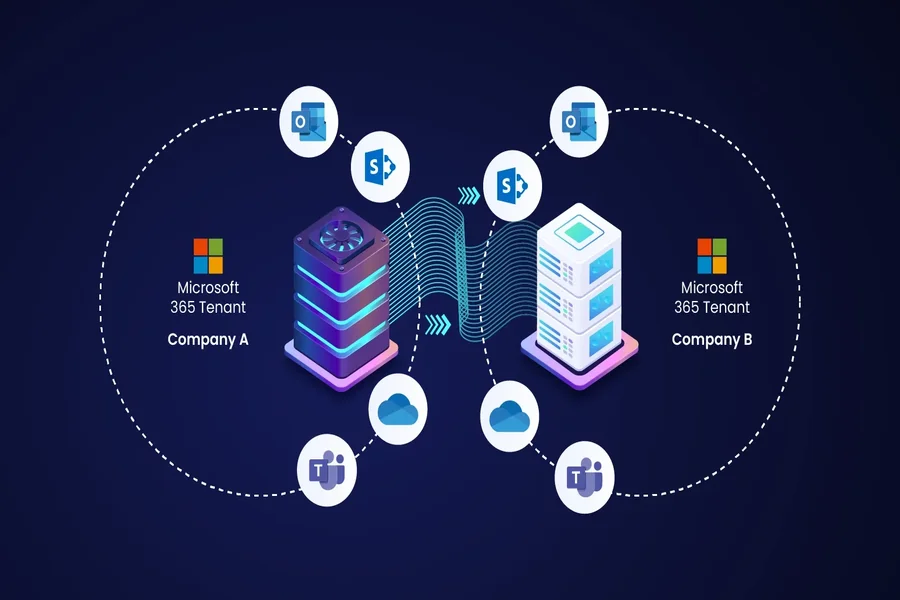
Enterprise tenant migrations can be daunting for IT teams, but with proper planning and strategy, organizations can minimize risks, reduce downtime, and ensure a smooth transition. Whether moving to a new cloud environment or consolidating multiple tenants, understanding the key steps is essential for a successful migration.
Assess Your Current Environment
Before starting any migration, it’s crucial to gain a clear understanding of your existing infrastructure. This includes evaluating the number of users, applications, and data volumes in your current tenant. Consider performing a comprehensive inventory of all email accounts, SharePoint sites, Teams channels, and other critical business systems.
Identifying dependencies and potential bottlenecks early on can help you avoid surprises later. Additionally, assess any compliance or security requirements that might influence the migration approach. Knowing what you have allows you to determine what can be migrated directly, what needs transformation, and what might require archiving or cleanup.
Define Objectives and Create a Migration Strategy
Every enterprise migration should begin with clearly defined goals. Determine what you want to achieve from the migration—whether it’s enhanced collaboration, improved security, cost savings, or consolidation of multiple tenants. Your objectives will directly influence your migration strategy and the tools you choose.
Partnering with professional Tenant migration services for enterprise environments can streamline the planning process. Experienced providers can help you design a migration roadmap tailored to your organization’s specific needs, mitigating risks and ensuring compliance throughout the process.
A solid migration strategy typically includes:
- Prioritizing workloads and scheduling them logically
- Deciding on a phased or big-bang migration approach
- Establishing clear timelines and milestones
- Assigning responsibilities across IT and business teams
Prepare Data and Applications for Migration
One of the most critical steps in tenant migration is preparing your data and applications for transfer. Data cleanup is essential—archiving obsolete files and ensuring that important data is organized and properly categorized. This reduces the volume of data to migrate, shortens downtime, and minimizes errors.
Check compatibility of applications with the target tenant environment. Some legacy systems may require updates or adjustments to work seamlessly post-migration. Additionally, review user permissions, security settings, and shared resources. Maintaining consistent access controls during migration prevents productivity interruptions and potential security breaches.
Communicate with Stakeholders
A successful enterprise migration isn’t just a technical challenge—it’s a people challenge. Users need to understand what is happening, when, and how it affects their daily work. Communicate clearly with employees, managers, and other stakeholders about the migration schedule, expected downtime, and any new features or changes they should anticipate.
Providing training resources or quick-start guides can ease the transition for end-users. Keeping stakeholders informed reduces frustration, encourages cooperation, and ensures smoother adoption of the new environment.
Execute the Migration in Phases
Attempting to migrate an entire enterprise at once can be risky. A phased approach often works best, allowing IT teams to address issues incrementally. Start with pilot groups or non-critical workloads to test migration tools, workflows, and configurations. Monitor for errors, performance issues, and user feedback.
Once the pilot phase is successful, gradually expand the migration to additional users, applications, and data. This controlled approach helps maintain business continuity while minimizing disruption. Throughout this stage, regularly review progress against your migration plan and adjust strategies as needed.
Verify and Validate Post-Migration
After migrating users and data, verifying the success of the migration is critical. Conduct thorough testing to ensure applications function correctly, emails and files are accessible, and security configurations remain intact. Pay attention to permission settings, shared folder access, and integration points with other systems.
Gather feedback from users to identify any lingering issues or frustrations. Document lessons learned to improve future migration projects. A validation phase ensures that your enterprise environment is stable, secure, and fully operational.
Final Thought
Enterprise tenant migrations are complex but manageable with careful planning and structured execution. By assessing your environment, defining objectives, preparing data, communicating effectively, and validating post-migration results, organizations can achieve a seamless transition with minimal disruption.
Remember, partnering with experienced migration specialists can make a significant difference in success rates. Professional guidance helps ensure that all technical and business considerations are addressed, allowing IT teams to focus on maintaining productivity while the migration unfolds.
