

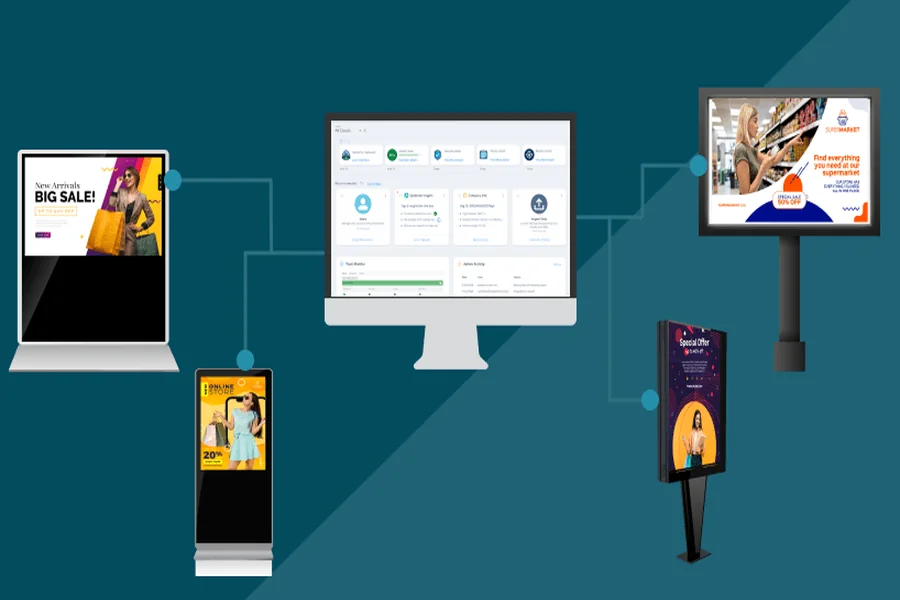
Many businesses struggle to keep their screens updated because content moves quickly across locations. Teams need a better way to organise messages, approve updates, and maintain accuracy across every display. Screen networks stay effective only when supported by a structured system that keeps everything steady.
This is where a strong digital signage CMS becomes essential for smooth daily operations. A well-built system reduces manual work, supports teams at scale, and improves control. This article explains seven features that help businesses operate reliable display networks without confusion.
-
Role-Based Access for Clear Team Control
Clear access rules shape how teams handle screens across multiple sites. A manager assigns roles, so each person sees only what they need. This reduces mistakes and keeps updates aligned with brand goals. Permissions also protect sensitive content and ensure consistent workflows. Larger networks benefit even more because responsibilities remain organised. Teams move faster once everyone understands their part. Strong controls become even more effective when supported by dependable digital signage CMS, which helps maintain clarity and structure across expanding screen networks.
-
Template Libraries That Speed Up Production
Template libraries help teams create content quickly without starting from zero. Brands maintain consistency because each template follows approved styles. This reduces effort for designers and simplifies work for staff who prepare daily messages. Businesses also adjust layouts with ease to match promotions or events. Templates support faster publishing during busy seasons. Hence, production stays steady despite tight deadlines. The feature becomes an advantage across networks that change content several times each week.
-
Centralised Scheduling for Accurate Timing
Centralised scheduling keeps messages aligned with real-time needs. Teams plan content for mornings, afternoons, or special events with confidence. Timing stays accurate even when displays operate across many locations. This reduces last-minute rush and leaves room for better planning. Therefore, engagement increases because screens show relevant information at the right moment. Accurate timing also strengthens brand reliability and improves customer experience.
-
Multi-App Integration for Flexible Content
Multi-app support allows screens to show data from social feeds, spreadsheets, calendars, or dashboards. This broadens what a network can deliver without adding extra tools. Businesses rely on fresh updates from multiple sources, so integrations keep displays current. Also, changes made in connected apps reflect instantly on screens, which reduces manual tasks. Teams use their preferred tools while still maintaining a unified display strategy. Hence, apps strengthen overall flexibility.
-
Remote Screen Supervision for Better Oversight
Remote supervision gives managers clear visibility across all devices. A dashboard shows each screen’s status, helping teams address issues quickly. This prevents downtime and protects customer-facing content. Remote tools also support smoother operations across distant branches. Managers gain peace of mind because they control everything from one place. Therefore, businesses maintain consistent quality across the entire network.
-
Media Storage That Keeps Assets Organised
A strong storage system keeps images, videos, and documents sorted into folders. This reduces time spent searching for assets during content updates. Teams upload, replace, or archive files with ease. Also, organised folders help maintain content history, which is helpful for brand reviews. Because assets stay accessible, staff work more efficiently in fast-paced environments. Hence, storage becomes a powerful part of network management.
-
Real-Time Reporting for Clear Performance Insight
Real-time reporting shows how screens perform at different moments. Data reveals which messages draw more attention and which ones require adjustment. Managers use this insight to refine content strategy. Therefore, reports guide better planning across future campaigns. Also, real-time tracking builds confidence because decisions rely on facts instead of guesses. Strong reporting strengthens long-term communication results.
A strong CMS becomes the backbone of any display network. Each feature, templates, scheduling, integrations, permissions, storage, supervision, and reporting supports a smoother workflow and better customer engagement. Businesses that invest in structured tools see fewer mistakes, faster updates, and more consistent results across all locations. With the right system in place, display networks stay reliable, flexible, and ready to support long-term growth.
