

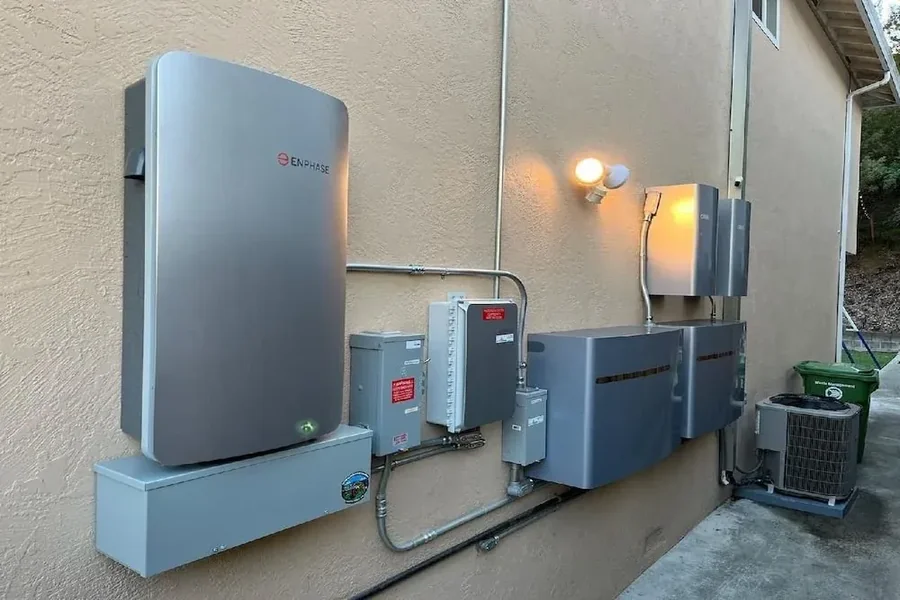
Power outage interrupts the day-to-day life of an individual, closes the business and may cause a lot of both financial and discomfort. The modern house and businesses are dependent on constant supply of electricity which is used in communication, safety and climate control. A reliable backup power generator is a solution that fills a gap that exists between a grid outage and utility service restoration. This guide will explain the major considerations that should be taken when a proper backup power solution is being chosen.
Determine Your Essential Power Requirements
A precise calculation of necessary wattage forms the foundation for any backup system purchase. For instance, reliable backup power from Generator Supercenter can provide the necessary support to keep essential devices running smoothly during a power outage. Critical items include refrigeration, heating systems, medical equipment, and essential lighting or computing infrastructure.
The total wattage for all items that might operate simultaneously should not exceed the system’s capacity. This list prevents the selection of an underpowered unit that could fail when needed most. Staying within the system’s capacity ensures reliable performance during outages.
Compare Standby Generators with Portable Units
Whether to buy a permanent standby generator or a portable model depends on the convenience, budget and the purpose to use it. A standby system is fitted permanently on the outside of a building and this system goes on automatically in a few seconds after the power goes off. This is an electrical unit connected to the electrical panel of the property and powered by a natural gas or liquid propane.
Portable generators are a cheaper and more flexible yet manual setup, fueling, and connection in case of an outage. Stand by models are operated in a seamless and non-hands-on manner, whereas the portable models require physical labor and have the danger of carbon monoxide threats when mishandled. The option trades-off between the necessity to automate and initial costs and operations.
Evaluate Available Fuel Sources and Logistics
Different generator models operate on various fuels, each with distinct advantages, availability, and storage considerations. Diesel generators boast strong durability and fuel efficiency, making them a common choice for industrial applications. Natural gas models connect directly to a municipal supply line, offering an almost unlimited runtime without refueling.
Propane units store fuel in on-site tanks and offer a clean burning alternative, which has a stable shelf life. Portable generators powered by gasoline are quite common, however, they expose more risks of fire and less stability of fuel. The issue of local supply of fuel during a large-scale emergency should play a role in this critical choice.
Assess Installation Needs and Local Regulations
Safe operation, adherence to codes and maximum performance of the backup power system are guaranteed through proper installation. A permanent standby generator must have a concrete pad, proper site to release exhaust fumes, and must have an electrical connection by a qualified electrician. Building codes and homeowner association requirements, including placement of buildings or fencing or noise mitigation, may be prescribed by local building codes.
Any standby system system must have an automatic transfer switch to isolate the home of the grid during operation. A legal and healthy installation process will normally include permits and professional inspections. Failure to address these requirements may invalidate warranties, cause hazards and results in the legal consequences.
Plan for Ongoing Maintenance and Operational Costs
A backup power system is a long term asset that needs maintenance schedules to ensure that it is always available whenever needed. Recommended routine maintenance involves changing oil, replacement of filters, checking of batteries and conducting a load test after some time. Gasoline or diesel unit fuel stabilization, and propane tanks inspection are also necessary.
These maintenance schedules help avoid failure at very crucial times and increase the working life of the equipment. These service expenses and cost of consumable fuel should be part of total ownership budget by the owner. Properly maintained system brings comfort and it has a lifespan of working over a number of years.
The choice of the backup power system requires a strategic decision that is targeted at particular requirements and realities. The system is selected with caution and well maintained to avoid any disruption and offer security. As an example, you can choose a backup power with high-quality by Generator Supercenter not to make your house or business shut down in the event of a power outage. The appropriate generator becomes a silent protector, who is able to bring sanity when the grid goes off..
