

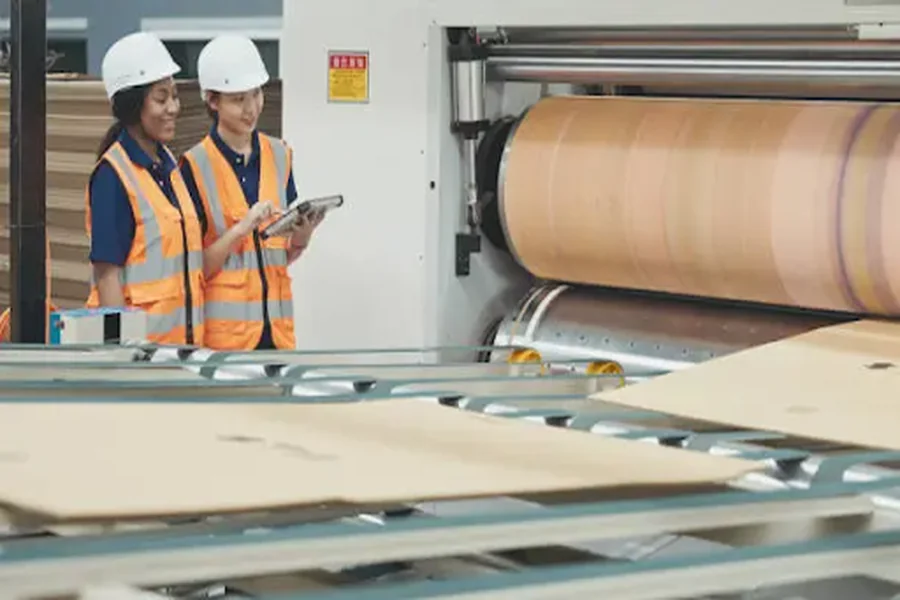
The E-Commerce Boom: Redefining Flexible Packaging Standards
The explosive growth of e-commerce and fast-shipping logistics has fundamentally reshaped global supply chains. As online retail volume surges, the demand for high-strength composite mailers, bubble-lined envelopes, and protective ziplock bags has reached unprecedented levels.
This rapid expansion has exposed severe limitations within legacy manufacturing facilities. Older packaging equipment was primarily designed for predictable, lower-stress retail packaging, not the rigorous demands of modern logistics.
Today’s e-commerce parcels undergo aggressive automated sorting, heavy stacking, and volatile transit conditions. Consequently, legacy machines are struggling with inadequate edge-sealing strength and constrained output limits, resulting in unacceptable packaging failure rates during transit.
Upgrading Production Lines for High-Volume Demands
To meet the strict e-commerce requirements for volume and strength, production facilities are rapidly moving away from outdated systems. Upgrading core converting machinery is no longer optional; it is a critical necessity for maintaining operational viability.
When working with multi-layer films or dense kraft paper, precise heat sealing temperature control is an absolute requirement. Fluctuations of even a few degrees can cause weak seams or burned materials, leading to catastrophic batch failures.
According to modern industry standards, high-performance KETEGROUP are equipped with advanced servo drives and intelligent tension systems. This allows facilities to maintain high output speeds without compromising the structural integrity and seam strength of logistics packaging.
Durability vs. Production Speed
Manufacturing engineers constantly battle the friction between pushing maximum output and maintaining substrate integrity. Modern automated systems effectively resolve this conflict through advanced synchronization:
- Continuous Tension Control: Prevents stretching or tearing of delicate inner layers when processing speeds reach hundreds of bags per minute.
- Precision Thermal Dwell Time: Ensures the heat bar applies exact pressure for the exact millisecond required, avoiding micro-leaks in the seams.
- Automated Material Feeding: Reduces friction and eliminates the micro-stoppages that plague mechanically driven legacy machines.
Adapting to Rapid Customization and Branding
In the highly competitive e-commerce sector, the unboxing experience has become a critical touchpoint for brand loyalty. E-commerce retailers are increasingly demanding custom-printed, branded mailers rather than generic blank packaging.
This shift places immense pressure on packaging manufacturers to handle highly customized, small-to-medium batch orders frequently, rather than relying on massive, uniform production runs.
Fast-Turnaround Flexographic Solutions
To maintain profit margins while handling low-volume, high-frequency orders, facilities must upgrade their printing capabilities. Next-generation flexographic printing presses are designed specifically for this agile manufacturing environment.
By leveraging quick changeover capabilities and automated plate-mounting systems, modern flexo presses reduce setup times drastically. Servo-driven technology ensures precise color registration instantly, allowing manufacturers to switch between different e-commerce brand designs with minimal material waste.
Minimizing Downtime: The ROI of Smart Machinery
From a financial and shop-floor management perspective, minimizing unplanned downtime is the single most effective way to boost profit margins. Modern converting equipment achieves this through integrated diagnostic and self-correcting technologies.
Features such as automated web guiding systems instantly detect and correct material misalignment in real-time. This prevents catastrophic web breaks and massive material jams, thereby significantly increasing the facility’s Overall Equipment Effectiveness (OEE).
Upgrading the equipment fleet requires significant capital expenditure (CapEx), but reducing downtime and scrap ensures a rapid return on investment. Research indicates that as the e-commerce sector grows, manufacturing companies investing in supply chain automation and smart manufacturing can improve production capacity by up to 25% and sustainably lower operational costs, which is vital for preserving profit margins.
Conclusion: Securing Your Position in the Retail Supply Chain
In the era of e-commerce dominance, a packaging manufacturer’s core competitiveness is directly tied to the technological advancement of its machinery. Brands and logistics giants require partners who can deliver flawless, high-strength packaging at an unyielding pace.
Facilities that fail to modernize their production lines will struggle with high defect rates and narrow margins. Ultimately, upgrading flexible packaging machinery is the decisive step toward securing a permanent, profitable role in the future retail supply chain.
