

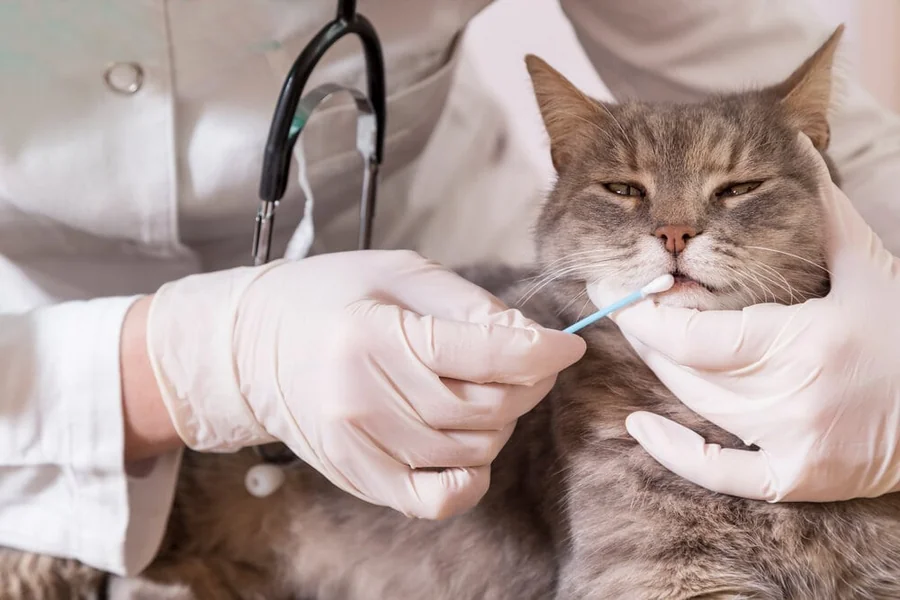
Cat DNA testing is a simple way to learn about a cat’s genetic background. It shows breed mix, inherited traits, and some health risks. The home testing kit’s process starts with a cheek swab collected at home. The sample is sent to a lab where DNA is analyzed and compared with cat genetic databases.
Results are delivered in an online report. It explains breed composition, traits, and health-related markers in a clear format that does not require medical knowledge. This is especially useful for rescue cats or cats with unknown history, where owners do not have information about ancestry or past health.
It also helps owners make sense of unexpected behaviors or physical traits that may not match what they assumed about their cat’s breed. The results are usually broken into simple sections, making it easy to understand even for first-time users. Over time, this information can support more informed daily care decisions and routine veterinary discussions.
Health Information Hidden in cat DNA
One of the most important benefits of cat DNA testing is health insight. Many conditions in cats develop slowly and are not visible in early stages. Genetic testing can show whether a cat carries markers linked to certain diseases.
These may include dental disease risk, heart conditions, kidney issues, or metabolic disorders. A positive result does not mean a cat will definitely become sick. It only shows a higher probability. This information helps owners act earlier. For example, a cat with higher dental risk may need more frequent teeth cleaning. A cat with heart-related markers may benefit from regular veterinary checkups.
Veterinarians can also use DNA results when planning preventive care. Diet adjustments, weight control, and monitoring schedules can be better tailored to the cat’s needs. Genetic screening does not replace medical exams. Instead, pet dna test cat adds extra information that supports better decisions. It helps shift care from reacting to problems to noticing risks earlier. It can also support long-term tracking of chronic conditions when combined with regular vet visits.
Behavior and Breed Understanding
Cat behavior often seems unpredictable, but part of it is connected to genetics. DNA testing helps explain why some cats are more active, social, or independent than others.
Energy level, curiosity, and response to people can be influenced by breed mix. A cat that appears overly playful or unusually calm may simply carry traits from specific genetic backgrounds. Many domestic cats are mixed breeds, and their appearance does not always reflect their behavior. DNA results help uncover the real combination behind those traits.
This understanding makes daily care easier. Active cats may need more playtime, climbing space, and stimulation. Calmer cats may prefer quiet areas and predictable routines. It also reduces misunderstanding between pets and owners. Instead of labeling behavior as “bad” or “strange,” it becomes easier to see it as natural variation shaped by genetics.
It can also help owners choose better enrichment activities and environments that match their cat’s natural instincts. Over time, this leads to a more balanced routine, improved comfort at home, and a stronger bond between the cat and its owner based on clearer understanding.
Why More Cat Owners Use DNA Testing
More cat owners are choosing DNA testing because it gives practical information about their pets. It is especially useful for adopted cats, where background details are often missing.
The results can guide everyday care decisions. Feeding plans, activity levels, and preventive health routines can be adjusted based on genetic findings. For example, a cat with a higher risk of weight gain may need controlled portions and more structured play. If dental issues are more likely, oral care becomes a regular priority rather than an occasional task.
DNA testing also helps build a stronger understanding between owner and pet. When behavior is linked to genetics, it becomes easier to respond correctly to the cat’s needs. It also reduces guesswork in situations where symptoms are not clearly linked to visible causes. DNA analysis gives a clearer view of a cat’s health tendencies and natural behavior patterns, helping owners make more informed and consistent care decisions.
