

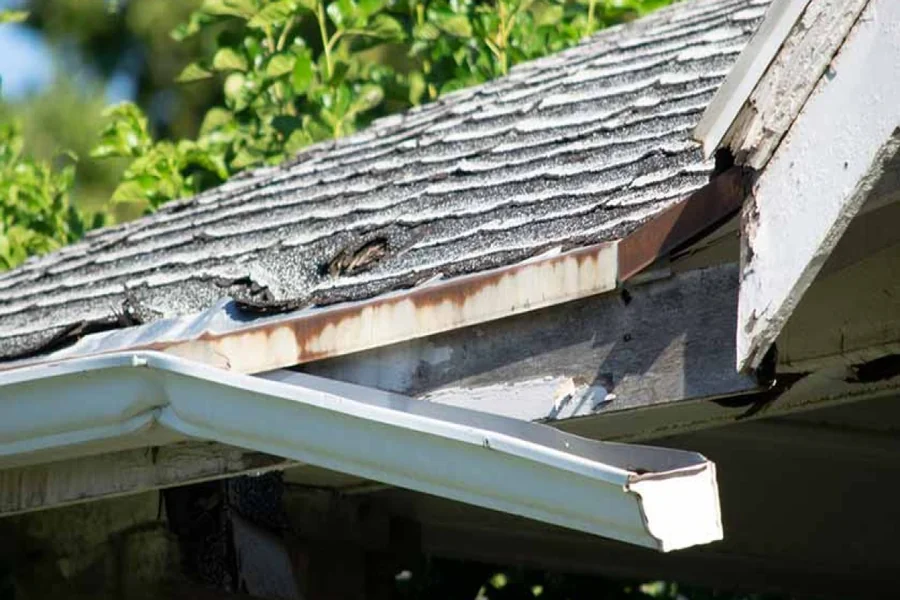
The storm finally passes. You step outside, scan the roof, glance at the yard, and everything looks intact. No fallen branches blocking the driveway, no shingles in the grass. You exhale, thinking your home dodged a bullet.
Here’s the problem: gutter damage after storm events often hides in plain sight. The dents are small, the misalignments are subtle, and the cracks don’t reveal themselves until the next heavy rain. By then, water is already finding its way into places it shouldn’t.
If a hailstorm or heavy wind recently rolled through your area, your gutters deserve a closer look than most homeowners give them.
Why Gutters Are Vulnerable During Storms
Gutters sit at the edge of your roof, fully exposed to whatever the weather throws at them. Hail strikes them directly, wind pulls at them from multiple angles, and flying debris hits them with surprising force.
They’re also part of your home’s broader Gutter water management system. When gutters fail, the drainage chain breaks, and water that should be moving away from your foundation starts pooling in dangerous places.
That’s why even minor storm damage matters more than it appears.
Common Types of Gutter Damage After a Storm
Storm damage shows up in several distinct forms, and most homes experience more than one of them after a serious weather event.
Dents and Cracks from Hail
Hailstones, even small ones, hit gutters with enough force to leave dents along the top edges and outer faces. Larger hail can crack aluminum sections, split seams, or chip protective coatings.
These dents may seem cosmetic, but they often indicate deeper structural stress.
Loose or Detached Gutters from Wind
High winds put incredible strain on gutter fasteners. After a strong storm, you may notice sections sagging, pulling away from the fascia, or hanging loose at the corners.
In severe cases, entire runs of gutter detach completely and end up in the yard.
Clogs Caused by Debris Buildup
Storms shake loose enormous amounts of leaves, twigs, and roofing granules. All of that material ends up in your gutters, often in dense clumps that completely block water flow.
A clogged gutter that worked fine before the storm can fail spectacularly during the next rainfall.
Beyond the immediate visual assessment, homeowners should consider the long-term resilience of their drainage systems against recurring weather patterns. While small dings might seem purely cosmetic at first, they often precede more significant structural failures during subsequent heavy rains. For those residing in areas prone to seasonal storms, exploring a professional gutter install eugene can be a proactive measure to ensure the home remains protected from foundation erosion. Addressing these vulnerabilities early prevents the gradual wood rot and fascia decay that typically follow persistent leaks. Maintaining a robust system is the most effective way to safeguard the integrity of your property against the unpredictable elements.
Bent or Misaligned Sections
Wind, falling branches, and ice loading can twist gutter sections out of alignment. Even a small change in slope disrupts proper drainage and creates standing water inside the channel.
Damaged Downspouts
Downspouts take a beating from wind too. Look for crushed sections, separated joints, or downspouts pulled away from the wall straps that hold them in place.
Warning Signs Homeowners Often Miss
Some damage announces itself loudly, but most signs of gutter damage are quiet at first. Watch for these clues in the days following a storm:
- Water spilling over the edges during light rain
- Sagging sections that look heavier on one side
- Peeling paint or rust streaks on the siding below
- Pooling water near the foundation or in flower beds
- Granules in the gutter indicating roof and gutter damage signs combined
- Visible gaps between gutter sections or at corners
- Stains on fascia boards suggesting hidden leaks
If two or three of these are present, your gutter system likely took more damage than it appears.
Step-by-Step Gutter Inspection After a Storm
A proper storm damage inspection of gutters doesn’t require special equipment, just attention to detail and basic safety awareness.
Start with a Visual Inspection from the Ground
Walk the entire perimeter of your home. Look up at each gutter run, paying close attention to:
- Sagging or uneven sections
- Visible dents along the front edge
- Separation at the corners
- Downspouts that look bent or detached
Use binoculars if needed to see details on second-story sections.
Check for Drainage Issues
If it’s safe, run water from a hose into different sections and watch how it flows. Slow movement, overflow points, or water leaking from seams all indicate problems.
Inspect from a Ladder Carefully
For a closer look, use a sturdy ladder with a stabilizer. Wear gloves, never lean to reach, and have someone nearby. Check the inside of each gutter for cracks, dents, debris piles, and rust spots.
Know When to Call Professionals
Steep roofs, multi-story homes, and severe damage all warrant professional inspection. Insurance claims often require documented assessments from licensed contractors, so a professional evaluation can also strengthen your case.
The Risks of Ignoring Gutter Damage
Skipping post-storm inspection turns small problems into expensive ones. Damaged gutters lead to:
- Foundation issues from overflowing water saturating the soil
- Roof leaks caused by water backing up under shingles
- Basement flooding when drainage fails near the home’s base
- Fascia and soffit rot from constant moisture exposure
- Long-term structural damage to walls and framing
- Mold growth in interior spaces affected by hidden leaks
A single ignored gutter problem can lead to repair bills running into the thousands, while a timely fix often costs a fraction of that.
Repair vs Replacement: What to Consider
Once you’ve identified gutter damage, the next decision is whether to repair or replace.
Repair makes sense when:
- Damage is limited to a few sections
- Gutters are less than 10 years old
- Joints are intact and the system hasn’t sagged significantly
Replacement is the better call when:
- Multiple sections show damage
- Gutters are aging or already showing rust
- Repeated repairs have become a pattern
- Sectional gutters keep developing leaks at the joints
For homes that have weathered multiple storms, upgrading to a more durable system often costs less in the long run than chasing recurring repairs.
Why Seamless Gutters Perform Better in Storm Conditions
Sectional gutters fail at their joints, and storms expose those weak points fast. Seamless gutters are custom-cut as a single continuous piece, which fundamentally changes how they hold up.
Their advantages in storm conditions include:
- Fewer joints mean fewer leak points and weak spots
- Greater durability under heavy water loads and impact
- Improved water flow that reduces overflow during intense rainfall
- Cleaner appearance with fewer visible seams to crack or separate
For homeowners in storm-prone regions, the seamless gutters durability advantage isn’t a luxury, it’s practical protection.
Working with Storm Damage Gutter Experts
When the damage is beyond a simple cleaning or tightening, partnering with experienced specialists makes the repair process smoother. Southwest Seamless Rain Gutters is well known for quality seamless gutter installation, thorough storm damage inspection and repair, and long-term water protection solutions tailored to each home.
Their team understands what storms do to gutter systems and how to restore proper drainage without leaving weak points behind. Working with knowledgeable professionals after a major weather event helps homeowners move from worry to peace of mind faster.
Final Thoughts: Take a Closer Look After Every Storm
Storms rarely leave gutters untouched, even when the visible damage seems minor. A short post-storm inspection, paired with timely repair or replacement, prevents the kind of slow-building water damage that wrecks foundations, roofs, and basements over time.
Make gutter checks a regular part of your post-storm routine. Walk the perimeter, look up, and trust what you see. The few minutes you spend now can spare you from the much larger headaches that come with ignored storm damage, and your home will keep standing strong through whatever weather comes next.
