

For years, people have relied on both paper and digital tools to manage information. Paper is simple, intuitive, and distraction-free, while digital devices offer storage, search, and connectivity. However, switching between the two often creates inefficiencies. Notes written on paper are hard to organize, while digital tools can feel overwhelming and fragmented.
AI-powered paper tablets are emerging as a solution to this long-standing divide. By combining the familiarity of paper with the capabilities of digital technology, they offer a more balanced and effective way to capture and process information.
The Longstanding Divide Between Paper and Digital Workflows
The gap between paper and digital workflows has existed for decades. Paper allows people to think freely, sketch ideas, and write without interruption. It supports creativity and focus in a way that many digital tools struggle to replicate.
However, paper lacks flexibility once information is recorded. It cannot be easily edited, searched, or shared. On the other hand, digital tools solve these problems but often introduce complexity and distraction. This divide has forced users to constantly switch between two different systems.
What Paper Does Well and Where It Falls Short
Paper remains one of the most effective tools for thinking and note-taking. It provides a natural writing experience and allows users to structure ideas in a flexible way. Many people find it easier to focus and process information when working on paper.
At the same time, paper has clear limitations. Notes can be lost, difficult to organize, and hard to revisit over time. As the volume of information grows, managing paper-based notes becomes increasingly inefficient.
The Strengths of Digital Tools and Their Limitations
Digital tools offer powerful advantages. They allow users to store large amounts of information, search instantly, and share content with others. This makes them essential for modern workflows.
However, these benefits often come at a cost. Digital environments are filled with notifications, multitasking options, and constant updates. This can reduce focus and make it harder to engage deeply with content. In many cases, users trade simplicity for functionality.
How AI-Powered Paper Tablets Combine the Best of Both Worlds
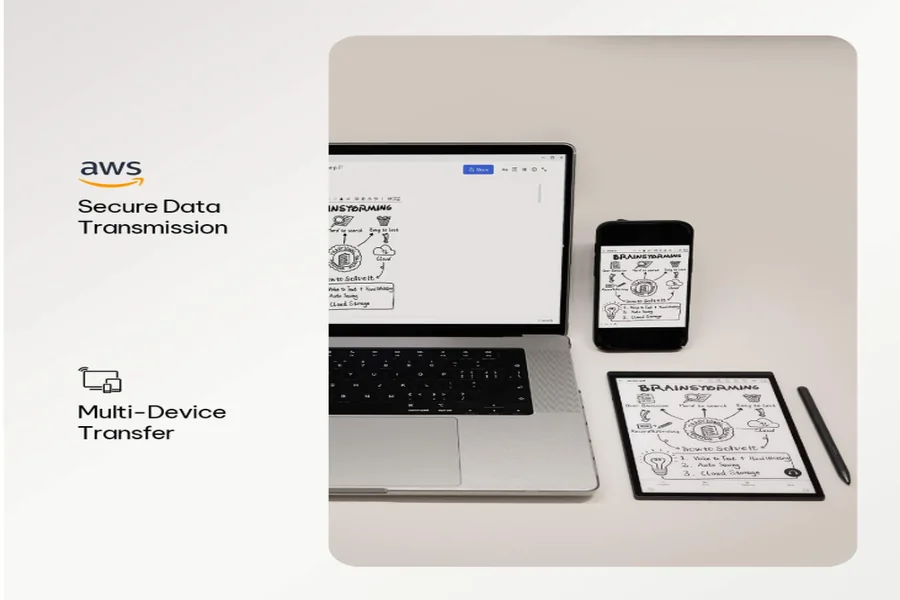
AI-powered paper tablets bring together the strengths of paper and digital tools in a single experience. They provide a paper-like writing surface while enabling digital organization and access. This allows users to capture ideas naturally without losing the ability to manage them later.
On devices like the iFLYTEK AINOTE 2, AI plays a key role in this integration. Handwritten notes can be converted into searchable text, and spoken content can be transcribed and structured automatically. This reduces the effort required to turn raw notes into usable information and helps users stay focused on thinking rather than processing.
Why This Hybrid Approach Is Shaping the Future of Work and Thinking
The combination of paper-like interaction and intelligent processing reflects a broader shift in how people approach work. Instead of choosing between simplicity and functionality, users now expect both.
AI-powered paper tablets support this expectation by creating a more seamless workflow. They allow users to think freely, capture ideas quickly, and organize information effectively without switching tools. This reduces friction and improves both productivity and clarity.
As work becomes more information-driven, tools that support both thinking and execution will become increasingly important. By bridging the gap between paper and digital, AI-powered paper tablets are helping define a more balanced and effective way of working.
