

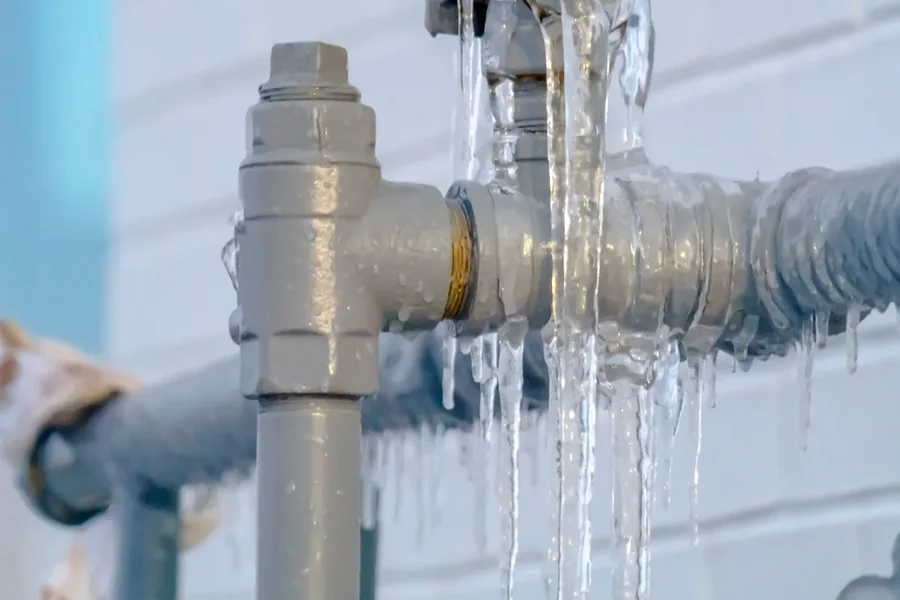
In Cincinnati, cold winter weather can create hidden plumbing risks inside a home. Water expands as it freezes, which places stress on pipe walls and joints. Small cracks can form before any visible sign appears. These tiny openings may stay unnoticed until temperatures rise and water flow returns.
Low temperatures in Cincinnati can cause water inside pipes to freeze solid. Many service calls about frozen pipes in Cincinnati show how common this issue can be. Ice buildup blocks normal water flow through the line. Pressure rises behind the frozen section as water has nowhere to move. Metal and plastic pipes both face risk during severe cold. Expansion from ice can push against joints and weak spots. A pipe may not burst until temperatures rise and ice begins to thaw.
Why Burst Pipes Lead to Water Damage
When a pipe bursts, water would escape into the walls or the floors so fast. It can leak gallons in a few moments even a little crack. This spill may wet insulation, drywall and flooring. Latent moisture is usually spread without being noticed.
Damages to water can cause wet spots to develop molds. Long exposure of structural wood may cause it to weaken. The cost of repair increases when the damage is propagated. Fast response serves to restrict these impacts.
Areas Most at Risk
Pipes near exterior walls face colder air. Unheated basements often contain exposed plumbing. Attic lines can also freeze during deep cold. These locations deserve extra attention.
Early Signs a Pipe May Be Frozen
A slow flow of water through a faucet is usually an indication of a blockage. It is also pointed at freezing by frost on open pipes. When water cannot move, strange smells of drains can be created. The clues assist in early response.
Abnormal sounds, including the slight cracking, can be seen. A piece of pipe can be extremely chilly to the hand. There is not any water whatsoever coming out of one of the fixtures, which leads to solid ice block. Early diagnosis helps to reduce risk of rupture.
Steps That Help Reduce Risk
Minimal efforts can be taken to curb freezing in Cincinnati houses. Lines which are exposed are insulated with insulation sleeves. Maintaining indoor heat at a constant throughout helps to maintain warmer pipe temperatures. Cabinet doors should be left open so that the plumbing can be exposed to warmer air.
Homeowners can also:
- Seal gaps near pipe entry points
- Allow a small drip during extreme cold
- Use heat tape on vulnerable sections
- Disconnect outdoor hoses
These steps may help improve protection. Regular winter checks around plumbing areas add another layer of awareness. Early preparation supports fewer emergencies during severe cold spells.
What Happens During Thawing
Pipes should be thawed with care so that they do not burst. Warm air or heating pads typically prove to be effective gentle sources of heat. The open faucets are used to facilitate the release of pressure as ice in the inside of the line starts melting. Gradual warming aids in alleviating pipeline stresses and joints.
Open flames could lead to severe damage of pipes due to the rapid buildup of heat. Even in case of uneven thawing, cracks can occur in weaker areas. The inspection of the pipe at this level can be used to identify the leaks or drips in time. Slow and gradual movements minimize additional damage and limit water leakage.
When Professional Help Makes Sense
Extreme situations in Cincinnati would usually require professional plumbers to deal with the issue. Walls concealed pipe breaks are not to be handled with a tool and experience. Leak detectors are used to identify hidden leaks before the damage is extended. Repairing the plumbing system by a professional makes it safer to restore.
Water cleanup may also be needed after a burst pipe event. Damaged materials such as drywall or insulation often require replacement. A fast response helps limit mold growth and structural issues. Expert care helps return plumbing to normal function and reduces long-term risk.
Frozen plumbing may result not just as a minor inconvenience. During severe winter, a lot of residents are forced to handle frozen pipes in Cincinnati. Breaking risks are contributed by expansion, pressure and sudden thawing. Early response and warning signs can be better used to minimize the severe water loss in Cincinnati houses.
